
Key Takeaways
-
Lipoedema and hypermobile Ehlers-Danlos syndrome (HEDS) share genetic and connective tissue factors that contribute to joint pain, instability, and overlapping symptoms, making diagnosis complex.
-
Detailed clinical evaluation, imaging and genetic testing are all key in establishing the correct diagnosis and treatments for both conditions.
-
Handling joint pain can be a multifaceted affair, involving customized physical therapy, lifestyle modifications, pain management strategies, and occasionally surgery.
-
Inflammation and mechanical stress are big factors in symptom intensity. Of course, anti-inflammatory diets, low-impact exercise and good body mechanics will help reduce pain.
-
Weather changes, particularly barometric pressure, can influence joint pain for some—underscoring the value of individualized symptom monitoring.
-
Bridging healthcare providers and continued patient education are key to long-term management and improved quality of life with lipoedema and HEDS.
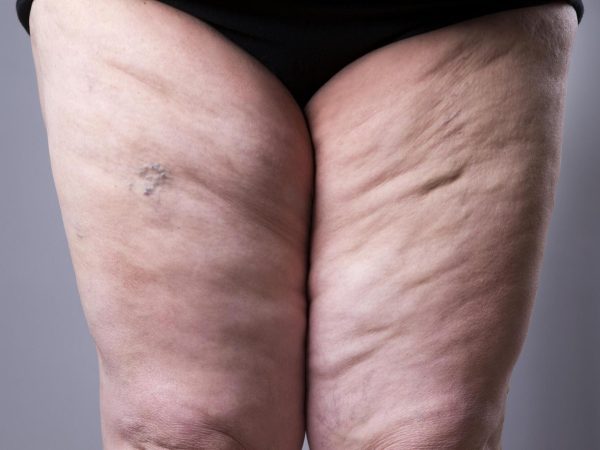
Lipoedema and hypermobile Ehlers-Danlos syndrome (hEDS) are two health conditions linked by a shared feature: joint pain. Lipoedema results in swollen, painful legs and hEDS is characterized by loose joints and velvety skin. A lot of lipoedema patients experience hEDS symptoms — like joint pain that restricts mobility. This crossover results in increased aches, sprains and difficulty with day-to-day tasks. Research underscores the need for greater awareness about both conditions, as joint pain isn’t always straightforward to trace back to a single source. For those in search of their own solution to pain, understanding the connection between lipoedema and hEDS can inform more effective care. See below for more.
The Overlapping Puzzle
Lipoedema and hypermobile Ehlers-Danlos syndrome (HEDS) frequently overlap with joint pain as a common symptom. Both are based in how the body produces and sustains connective tissue, which affects fat storage, joint functionality and pain perception. It’s this overlap of disorders that makes diagnosis and care more complicated. Unraveling their connections aids in demystifying that joint pain connection.
1. Genetic Links
Genetics research demonstrates that genes associated with connective tissue, like COL5A1 and COL3A1, are connected to hypermobility in HEDS. In lipoedema, genes influencing fat cell proliferation (such as AKR1C1) contribute to the irregular fat accumulation. Both of these patterns often run in families, so you can have relatives with multiple members experiencing symptoms of both lipoedema and HEDS. Knowing family history can help providers identify risk early. Genetic testing identifies mutations so it’s simpler to observe whether collagen alterations exist, which can weaken joints and cause pain.
2. Connective Tissue
Connective tissue in both is soft, stretchy, and less stable. This causes joints to be more prone to slip or bend too far, resulting in pain and swelling. Bad tissue support inhibits healing and constrains muscle traction, so everything from walking and running to even standing can be difficult. Weak tissue can indicate that physical therapy or surgery won’t have the same outcomes as in individuals with normal tissue strength.
3. Mechanical Stress
When lipoedema causes fat to accumulate, it adds weight and pressure to your lower body. This stresses joints, particularly knees and ankles, aggravating pain. For HEDS folks, even regular moves can stress joints because of lax ligaments. For example, wearing supportive shoes, joint braces, or shock-absorbing mats around the house can reduce daily joint stress. Learning safe movement habits—like bending at the knees, not the waist—protects joints.
4. Inflammatory Pathways
Low-grade inflammation is ubiquitous with both conditions and can prolong pain. Blood tests could indicate elevated C-reactive protein or interleukins as markers of inflammation. Over time, this swelling can lead to additional wear on cartilage, resulting in increased pain. Omega-3 rich foods or light stretching can help to reduce swelling.
5. Symptom Mimicry
Lipoedema joint pain usually deep and accompanied by heavy legs, HEDS pain more about joints pulling out of place. Both may cause swelling, bruising and aching, which complicates their differentiation. At times, this symptom overlap causes people to be treated for one condition and not the other. Full exams – including checking skin, movement and fat patterns – help sort out the true cause.
|
Factor |
Lipoedema |
HEDS |
Shared Pathways |
|---|---|---|---|
|
Genetic Mutations |
Fat metabolism genes |
Collagen genes |
Connective tissue abnormalities |
|
Connective Tissue |
Soft, less elastic |
Hypermobile, fragile |
Joint pain, instability |
|
Mechanical Stress |
Added weight |
Loose joints |
Increased joint strain |
|
Inflammation |
Chronic, mild |
Chronic, mild |
Swelling, pain |
Diagnostic Challenges
Diagnosing lipoedema and hypermobile Ehlers-Danlos syndrome (hEDS) together can be tough. Both have overlapping symptoms, with joint pain, swelling, and tissue changes. Many patients do not fit neatly into diagnostic boxes, which adds to the confusion. Misconceptions and lack of awareness among clinicians often delay accurate diagnosis. Multidisciplinary teams are necessary for a clear and well-rounded evaluation, especially since joint pain may come from more than one cause.
Clinical Assessment
A comprehensive evaluation begins with a complete patient history. Old sports injuries, genetic backgrounds, and a pattern of symptoms may provide key hints. This aids in demonstrating if the pain is intermittent or persistent, and what causes flares.
Physical exams should examine joint range of motion and stability. Stretchy skin, joint laxity or bruising are hallmark symptoms. Standardized questionnaires, such as the Beighton Score for hypermobility and pain severity scales, can assist in rating symptoms. These tools facilitate tracking changes over time and comparison between patients.
Imaging Nuances
Imaging like MRI and ultrasound is often used to check joint and soft tissue health. Regular scans may not show subtle connective tissue changes seen in hEDS or lipoedema. Next-generation methods such as high-resolution MRI or elastography can sometimes spot issues missed by standard scans. Imaging is useful for following changes over time, especially when symptoms shift or worsen.
Yet even sophisticated imaging can’t pick up every genetic or subtle tissue distinction. Genetic sequencing could miss rare or novel variants, so questions remain. So, imaging is only a piece of the puzzle.
Differential Diagnosis
There are any number of other conditions that can mimic lipoedema or hEDS. These include:
-
Chronic venous insufficiency
-
Lymphoedema
-
Fibromyalgia
-
Obesity
-
Anorexia nervosa
-
Hypermobility spectrum disorders
It aids that we have clear criteria to distinguish these from lipoedema and hEDS. Taking a methodical approach, history, exam, imaging, and lab work helps you more easily exclude other causes. Review is important because many patients are multiply diagnosed.
The Weather Effect
The weather effect is when changes in air pressure and temperature cause pain or discomfort in certain individuals. A lot of lipoedema and hEDS sufferers report their joint pain intensifies with specific weather fluctuations. Up to 70% of women with lipoedema have joint hypermobility, meaning their joints are loose. This makes them more apt to ache when the weather turns.
When it’s low pressure, as it is before rain or storms, a lot of arthritics say they hurt more. Some even ache on sunny days, as heat can relax tissues and make joints feel less secure. These changes can make everyday motion more difficult and more painful. Those with hEDS and other HSDs often observe that their symptoms exacerbate by weather changes. They might be more aching or swollen, or even feel like their joints are ‘giving out’. It’s thus hard to schedule things or maintain a routine.
The connection between weather and joint pain is not entirely obvious. One explanation is that lower barometric pressure allows tissues to swell a bit more, which can place additional stress on already loose joints. The other theory is that rapid temperature fluctuations can influence blood flow and nerve pain signals. This can bring about additional aches or heaviness surrounding the joints. Not everyone experiences these effects, however enough people do that physicians and scientists are taking notice.
So many people tell stories about how they can “feel a storm coming” in their joints. These accounts are supported by clinic data finding more pain complaints with changes in the weather. For those of us living with lipoedema or hEDS, this translates to pain being difficult to forecast and self-care requiring adaptability.
|
Physiological Mechanism |
Patient Anecdotes |
Reported Symptoms |
|---|---|---|
|
Changes in air pressure |
“I feel more pain before storms.” |
Joint pain, swelling |
|
Shifts in temperature |
“Hot days make my joints unstable.” |
Increased joint instability |
|
Nerve sensitivity |
“Cold makes my joints stiff.” |
Stiffness, heaviness, discomfort |
A Personal Perspective
Life with lipoedema and hEDS is almost never easy. For a lot of people, joint pain is just part of everyday life — influencing how they move and even how they view themselves. We’ve all heard metaphors that folks use to attempt to communicate what arthritis pain feels like—some describe it as being ‘like sandbags on my legs’, or that ‘my joints are made of rubber bands’. These photographs give other people a sense of what everyday life is like. It’s not simply a physical fight. There’s the emotional side: many people feel a loss of control, which can lead to anxiety or sadness. Pain can disconnect you from daily life, from work, from the family, from your hobby.
Others describe writing as a means of clarifying their thinking. Expressing pain, even in a journal or in a support group, allows individuals to process difficult emotions and gain new perspective. Research indicates that expressive writing aids in the adjustment process, providing a feeling of catharsis and occasionally even a bit of optimism. They tell me that writing makes the hurting not seem so much like a burden they bear in isolation.
Coping is different for everyone. For some, mild activity such as swimming or yoga keeps joints fluid without excessive pressure. Still others depend on heat packs, braces, or simply pacing themselves through the day to prevent flare-ups. Emotional support is equally important. A lot of people find solace with online groups or local meetups, where they can share tales, exchange advice, and simply commiserate. It’s comforting to know you’re not alone.
Community support can become a lifeline. Community – sharing the experience, even the little daily victories, creates a feeling of togetherness. There’s power in people knowing that they’re not alone and that it’s okay to seek support or have rough days. Community is having somewhere to be understood and to understand others who really understand!
Integrated Management
Managing lipoedema and Ehlers‑Danlos syndrome (HEDS) means looking at the whole person, not just the symptoms. A team approach—doctors, therapists, and patients—gets better outcomes. This means using many tools: physical therapy, pain control, lifestyle changes, education, and even surgery when needed. The goal is always the same: less pain, more movement, and a better quality of life.
Physical Therapy
PT schedules should match each individual. When it comes to joint pain in lipoedema and HEDS, small steps make a difference. Basic strengthening motions guard slack joints and assist everyday mobility. Water therapy is great. Water removes weight from the joints, helping to make movement safer and easier.
Keeping loose alleviates stiffness and pain. Stretching, yoga, or soft range-of-motion moves can do the trick. The trick is being consistent—skipping sessions can hinder advancement.
Pain Control
Pain management for lipoedema and HEDS usually combines more than a single technique. NSAIDs can assist with inflammation and acute pain, but they don’t address the underlying causes. Heat or cold packs provide relief during flare-ups. Others experience comfort with hands-on treatments such as massage or manual lymphatic drainage, which additionally aid in reducing swelling.
Other alternatives, such as acupuncture, can reduce pain in certain individuals. Routine follow-up visits allow the care team to modify pain plans as requirements evolve.
Lifestyle Adjustments
Eating right and staying active are huge components of controlling these diseases. Low-carb diet can help cut swelling in some. Such light, low-impact workouts—walking, biking, swimming—keep joints working and muscles strong.
Mindfulness and breathing exercises assist a lot of us combat pain and anxiety.
-
Eat more fresh foods (vegetables, berries, lean protein).
-
Cut down on added sugars and simple carbs.
-
Choose healthy fats, like olive oil or nuts.
-
Stay hydrated and limit salty or processed snacks.
Surgical Options
For certain patients, surgery such as liposuction eases debilitating symptoms. It’s not meant for all. Risks are infection, slow healing or more pain. A full checkup prior to surgery is crucial to determine if it’s suitable for you.
Post surgery, have real goals and understand recovery is a process.
Future Directions
The connection between lipoedema, HEDS and joint pain is a rapidly developing field of study. Researchers are trying to decipher why lipoedema patients—up to 70% of women—exhibit joint hypermobility. They examine common characteristics, such as flaccid connective tissue, and their impact on pain and mobility. Imaging tools, such as MRI, are now used more to visualize changes in the lymphatic system and joints. This aids in problem detection earlier and potentially makes it easier to monitor treatment effectiveness over time.
New treatments for joint pain are on the horizon. For lymphedema, research indicates that inhibiting Th2 cell expansion reduces tissue fibrosis and promotes lymphatic function. Anti-inflammatory drugs might be of assistance since inflammation and pain frequently accompany these issues. Complex decongestive physiotherapy, which combines massage, compression and exercise, has been used to reduce capillary fragility in lipoedema. That is, it could become a cornerstone of treatment for arthritis.
There is a significant effort to discover more effective methods for early detection of these diseases. Biomarkers, such as platelet factor 4, are being explored as indicators that a person may have lymphedema or lipoedema prior to symptom progression. Gene studies too. Mutations in genes like HGF and VEGFR3 are associated with increased risk of developing lymphedema. If physicians are able to detect these changes they could initiate treatment earlier and potentially prevent debilitating joint pain.
Fundraising and word of mouth is crucial. Both lipoedema and HEDS are underdiagnosed. Without answers, people go years. More funding would launch more studies, help educate physicians, and raise public awareness, which might thus translate into quicker new tools and treatments.
Patients’ voices count as well. Individuals with lipoedema and HEDS possess real-world experience that directs investigation and treatment. Their feedback informs research, guides clinical trial objectives, and ensures therapies align with everyday priorities. Engaging patients in future work results in more efficient, grounded treatment.
Conclusion
Lipoedema and Ehlers-Danlos frequently presents with joint pain that can decelerate life. So many people encounter misdiagnosis and the overlap can exacerbate things. A change in weather can bring more pain, contributing to stress. Tales from the trenches of those with both really illustrate how brutal it can become. Assistance must extend outside of physicians’ offices. Good care is good communication — clear plans and team support and steady updates as new info comes. We need to know what connects these two so they can recognize symptoms early and seek assistance. To educate yourself or share your experience, contact support groups or discuss with a medical team. Be open to tips and keep your voice in the mix.
Frequently Asked Questions
What is the connection between lipoedema and Ehlers-Danlos syndrome (EDS)?
Both can cause joint pain and mobility issues. Lipoedema patients frequently have hypermobile joints – a hallmark of EDS. This overlap can exacerbate symptoms and confuse diagnosis.
Why is joint pain common in both lipoedema and EDS?
Joint pain is prevalent since they both involve connective tissues. In EDS, your joints are too flexible and unstable. In lipoedema, tissue load can tear into joints causing aches and pains.
How are lipoedema and EDS diagnosed together?
This is where diagnosis can get tricky. Doctors take a combination of medical history, physical symptoms and sometimes genetic tests. Both conditions have overlapping symptoms, so you’d generally want a specialist to dissect exactly what’s going on.
Can weather changes affect joint pain in lipoedema and EDS?
Yes, a lot of people experience increased joint pain with weather changes, particularly with humidity or pressure changes. Not sure why, but barometric pressure changes can affect pain.
What are some management options for joint pain in lipoedema and EDS?
Management typically involves physical therapy, light exercise, compression, and pain relievers. A customized strategy from a medical expert can assist control symptoms and enhance quality of life.
Is there a cure for joint pain caused by lipoedema and EDS?
No cure at this time. Treatment is aimed at managing symptoms, slowing progression, and enhancing quality of life. Early intervention and integrated care can make all the difference.
Why is integrated care important for people with both lipoedema and EDS?
Integrated care joins together specialists from different disciplines. In other words, it hits all the angles of the conditions for better symptom control and overall health.