
Key Takeaways
-
How knowledge on lipoedema symptoms allows you to differentiate between different types of swelling and how to manage living on a boat.
-
Controlling humidity, temperature, and motion onboard promotes comfort and decreases lipedema swelling.
-
Modifying the boat’s interior, storage solutions, and safety measures enhances the experience and quality of life for less mobile individuals.
-
Being prepared with the right gear, well-organized medical supplies and a dependable compression care regimen can help make life aboard more sustainable.
-
By focusing on balanced nutrition, gentle exercise, and consistent self-care you support your body and mind.
-
Creating a support network via online communities, check-ins and professional resources can combat social isolation and mental health challenges.
Living on a boat with lipoedema often brings unique swelling challenges that can make day-to-day life harder. Swelling can exacerbate in times of reduced mobility or when there’s less room to spread out. Muggy weather and fluctuations in air pressure may further escalate the pain. A lot of us discover that stairs on boats and tiny bathrooms on board make it hard to maintain self-care treatments such as compression or massage. To adapt, others resort to portable compression pumps, cooling wraps or minimalist stretches that can be squeezed in tight nooks. Awareness of these challenges and a few commonsense fixes can make boat life with lipoedema easier and safer. The following sections provide additional tips and practical suggestions.
Understanding Lipedema
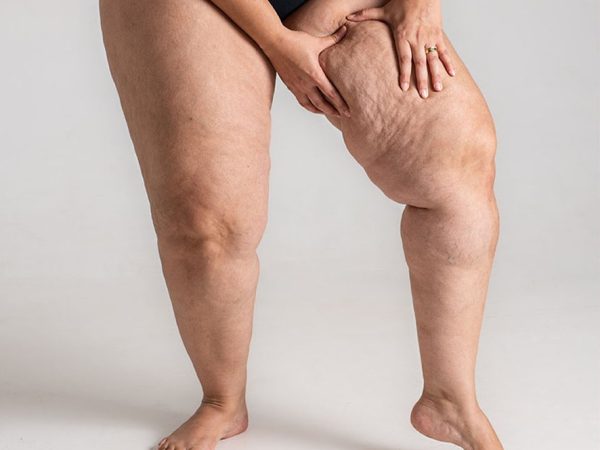
Lipedema is a chronic disorder that results in an abnormal accumulation of fat that’s primarily found in the legs and arms. It doesn’t involve the hands or feet. Nearly 11 percent of women and post-pubescent girls globally face lipedema. It frequently runs in families, with 15% of lipedema sufferers having a family history. In fact, lipedema patients can have as much as 42% more fat in their lower body than those of the same body size. This fat is not like normal body fat. In lipedema, fat cells grow much larger and accumulate in specific areas underneath the skin. Diet, exercise, or even weight loss surgery don’t effectively shrink this fat.
The origins of lipedema aren’t well known. Genetics have a foot in it, as it tends to be hereditary. Hormonal changes are yet another huge player. Lipedema can begin or worsen at puberty, pregnancy or menopause. This demonstrates that hormonal shifts can activate or accelerate the condition.
Lipedema usually causes pain, swelling, and skin that bruises easily. The swelling may become more pronounced during the day, particularly in the ankles or feet. In the initial stage (Stage 1), swelling can resolve after leg elevation or sleep. As lipedema progresses to the upper stages, the skin can become thick, hard, and lumpy, with prominent fat pads developing. Activity becomes difficult and treatment becomes more difficult the further the disease progresses.
Lipedema is not lymphedema, even if they appear similar. Lymphedema is swelling from fluid trapped in the tissues, often from blocked lymph vessels. Typically it’s unilateral and involves the hands or feet, unlike lipedema. Lipedema’s fat accumulation isn’t impacted by traditional weight loss approaches, whereas lymphedema is centered on shifting fluid. While both conditions can utilize complete decongestive therapy (CDT), the treatment plans for each can vary. Research indicates that when properly treated, lipedema patients can experience enduring reductions in discomfort and inflammation, and an improved sense of well-being.
The Boating Environment
Living the boating life, lipoedema swelling adapts to conditions. Space is tight, the weather is dicey, and days drift in and out with the tides. Controlling your swelling and pain requires a little more preparation when you’re dealing with heat, humidity and the perpetual movement of life on the water.
Humidity
Humidity can increase swelling and pain for those with lipoedema. Moist air reduces the ability of sweat to evaporate, so skin may remain clammy and irritation intensify. On a boat, it is difficult to regulate indoor humidity due to the water all around. A boat’s living quarters, usually tiny and jam-packed with equipment, can hold moisture and heat, which can cause mildew and make swelling more severe.
Keep a checklist for humidity management:
-
Deploy marine-grade dehumidifiers, or simply blow fans and open hatches to air out the cabin.
-
Wipe down wet surfaces and keep fabrics dry.
-
Store clothes and supplies in airtight bins.
-
Check for leaks in windows and doors.
-
With sweat and humidity combined, these two can throw off fluid balance. Do drink water during the day, but steer clear of sugary beverages.
Temperature
-
Employ tiny cooling fans or space heaters, based on the season.
-
Wear airy clothes in hot countries and dress in layers when it’s cool.
-
Schedule walks or boat work for early morning or late evening, when it is cooler out.
-
Check the weather and adjust routines as needed.
Temperature changes, meanwhile, can stunt circulation and increase swelling, particularly in the legs. Hot weather can dilate blood vessels and cause fluid to pool, whereas cold temps can constrict vessels and slow circulation, making legs feel heavy. A weather-responsive daily routine helps reduce flare-ups.
Long stretches at the helm or sitting in the cockpit can strain your legs, so take breaks to move around.
Motion
Securing your area is essential when the boat sways! Employ non-slip mats and tie down loose objects so nothing rides in rough water. The rocking can leave legs aching or bloated. For some, their water retention increases with increased rocking.
Relaxation techniques such as deep breathing or light stretches can help you relax motion-stress. If you’re movement-sensitive, attempt light floor exercises that don’t require a lot of balance, such as ankle pumps or foot circles.
Stable Environment
Minimize abrupt boat movements whenever you can. Deploy additional fenders and mooring lines in marinas to reduce swaying. Maintain neatness inside—trip hazards can cause falls, particularly when the boat jerks. Keep just what you require.
Onboard Challenges
Living on a boat with lipedema/lymphedema just layers on the challenge. Close quarters, scarce resources, and weeks at a time off shore can make it hard to handle swelling, skin care, and social needs.
1. Space Constraints
Tiny cabins and tight gangways on the majority of vessels can render navigation challenging, particularly during surges of swelling or pain. Any lipedema or lymphedema patient would have a hard time reaching storage or moving fluidly between spaces, particularly if it requires mobility aids.
Maximizing storage is important. Utilize multi-purpose furniture—like beds with drawers or fold-out tables—that can keep materials accessible, but off the floor. Assigning a place for your wound care, compression garments, and skin care equipment reduces the time spent looking for what you need, something especially important when you are experiencing pain or fatigue. A definite layout plan, even a rough sketch, assists everyone onboard to KNOW where to find or PUT things, making daily rituals less stressful.
2. Limited Mobility
Physical restrictions can render common tasks more difficult. With the associated swelling and tenderness, it’s not always a simple task to climb stairs, reach into deep cupboards or stand for long periods of time.
Routines help adapt. Small adjustments, such as cooking while sitting or installing grab bars in the shower, can be a lifesaver. Lightweight, portable aids—think canes or step stools—provide additional footing on unsteady ground. Make sure to incorporate rest breaks, particularly on days when your pain or fatigue is elevated. Low-impact activities — like light stretching or slow walks on deck — keep you moving without high intensity.
Laundry (once every 2–3 weeks), as any compression garment wearer knows. Planning ahead, like having backups or quick-dry options, can catch you up with daily care.
3. Equipment Storage
Medical gear, from compression wraps to cremes and first aid kits, needs to be near but not cumbersome.
Packing your supplies in labeled, waterproof containers goes a long way toward quick access, especially in an emergency. Boom. Clever storage solutions—hanging organizers, magnetic strips, or under-seat bins—maximize every last inch. Regular purging is key. Dormant gear has a way of rapidly dominating scarce storage, and it becomes difficult to locate the necessary.
4. Social Isolation
Living on a boat, of course, usually translates to reduced in-person interaction. This can become lonely, particularly when dealing with a chronic medical condition.
Online groups/forums – Connect and share stories/advice with others who ‘get it’. It’s helpful to schedule video calls with family and friends to break up those long periods by yourself. Local boating clubs or marina events provide opportunities to get out and meet people, even if only for an afternoon or a couple of hours. Even quick talks about lipedema with crew or neighbors can get the word out, creating a foot in the door for future aid.
Practical Solutions
Boat life with lipoedema means navigating different types of inflammation and movement issues. Treating symptoms is a cocktail of clever boat adjustments, necessary equipment, a good compression schedule, and consistent maintenance to remain comfortable and secure.
Boat Modifications
Boat spaces are cramped, so installing some grab bars by stairs and beds can really make movement more secure. Deck and washroom non-slip mats significantly reduce the chance of falling.
Adjustable chairs with solid support assist to relieve pressure on inflamed extremities. Armchairs and adjustable footrests can lessen the strain of long hours onboard.
A defined route from the living spaces to the kitchen and bathroom is crucial. If you can, expand doorways or clear away obstructions so that it’s simple to navigate with help tools. Others look ahead to upgrades such as ramps or shower chairs as lipoedema progresses.
|
Modification Type |
Benefit |
Example |
|---|---|---|
|
Grab bars |
Safety, stability |
Near stairs/bed |
|
Non-slip surfaces |
Prevent slips |
Decks, washrooms |
|
Adjustable seating |
Comfort, pressure relief |
Swivel chair |
|
Widened pathways |
Accessibility |
Clear living area |
|
Ramps/shower chairs |
Future planning |
Bathroom, entry points |
Essential Gear
-
Compression stockings: Reduce swelling, must fit well, worn daily.
-
Manual lymphatic drainage (MLD) tools: Massage rollers or gloves help manage fluid buildup.
-
Portable medical supplies: A small kit with bandages, antiseptic, and cold packs for swelling.
-
Supportive shoes: Non-slip soles and easy closures for stability on deck.
Lightweight, breathable clothes are preferable for comfort and skin health. Seek out cotton or bamboo fabrics that draw moisture away from the skin.
Shoe sense–good supportive, non-slip shoes reduce fall risk. Adjustable straps or wide-fit options are a blessing for swollen feet.
Compression Care
Stockings or sleeves for compression work best when you wear them daily. They do assist in reducing swelling and relieving pain, but they must fit properly.
It’s wise to get measured for compression wear and check fit every few months. Ill-fitting equipment numbs its impact — and is painful. Others wear intermittent pneumatic compression (IPC) devices for additional relief if swelling intensifies.
Track what works—like specific shirts or daily rituals. This allows you to detect patterns in swelling and determine what techniques assist best.
Maintenance Schedule
Routine inspections maintain all upgrades and equipment functioning properly.
Create an easy cleaning/inspection calendar for grab bars, non-slip mats, seating and medical equipment.
Keep ahead of restocking essentials and replacing old gear.
Quick fixes avoid big problems later.
Lifestyle Adjustments
Living onboard a boat with lipedema is waking up each morning and choosing to help reduce swelling and keep your body as healthy as possible. Lifestyle changes—adjusting how you eat, move and rest—can go a long way to improving comfort and quality of life.
Nutrition
Your diet is important for both controlling inflammation and maintaining energy. Anti-inflammatory foods—such as leafy greens, berries, nuts, olive oil, and fish—help keep swelling in check. Most individuals with lipedema consult with a physician or nutritionist to select the optimal diet for their condition. For others, a Mediterranean-style meal plan is more sustainable and offers a healthy mix of nutrients.
Hydration is crucial, particularly in hot/humid environments. Water aids blood flow and can reduce inflammation. Reducing processed foods and sugars can be beneficial, as these can exacerbate symptoms. Meal planning based on storage and cooking space is key on a boat. Non-perishable staples, dried beans, and canned fish all rank up there.
Movement
Easy movement is key for lipedema patients. Easy workouts, such as reaching or deck walking, maintain joint flexibility and assist circulation. Water activities—such as swimming or light aqua aerobics—provide joint-friendly, low-impact choices. Punctuating your workouts with tiny, achievable milestones keeps motivation high. By mashing up stretching and strengthening moves into daily routines you’re not only supporting mobility, you’re making activity a part of life, not a to-do.
Self-Care
Your self-care regimens need to incorporate time for relaxation and decompression. Mindfulness, including deep breathing or guided meditation, can help you manage the emotional toll that often accompanies chronic conditions. Skin care is another important action—applying mild moisturizers and monitoring for irritation can keep skin comfortable and healthy. Regular check-ins, scheduled in, create the space to observe what your body and mind require most.
Balance
A balanced lifestyle involves scheduling time for both busyness and relaxation. Schedules that permit short breaks, light exercise, and adequate sleep help control inflammation and tension. Even minor lifestyle adjustments, such as placing relaxation before productivity or scaling back activities when feeling under the weather, can help.
The Unspoken Mental Load
Tackling lipoedema swelling and life on a boat, it’s not all about the physical. The mental load is difficult to identify but simple to sense. When your world is limited and your schedule is unlike life on land, the burden of keeping up with treatment, staying mobile, and monitoring for flare-ups can feel like a full-time, second job. For us all, there’s always that nervous concern lingering around in the back of our skull. Will the swelling be worse if the weather is humid? Are we covered if we get tired? These little concerns add up, and they can be energy sapping.
Speaking with others who get it is one way to relieve this load. Sharing stories with friends, family or online groups makes people feel less isolated. For instance, there are those who take solace in private boards where others discuss maintaining lipoedema during extended periods at sea or sourcing clinics in foreign ports. These spaces provide more than advice — they provide community. When you are honest about your needs – such as requesting support in moving supplies or scheduling breaks in the task – it reduces anxiety.
Easy things that keep a handle on the stress of boat life. Short breathing drills, music, or even a notebook to track symptoms and feelings can keep the stress at bay. Others deploy guided meditation apps that operate offline, good for days of sailing in areas with spotty internet. Some will develop mini rituals, like a morning deck stretch or a silent evening wander along a marina. These habits provide structure, which can make the load feel lighter.
Professional assistance is something to consider. Others connect with mental health workers via videocalls, even from afar spots. Others join international support groups that convene online, facilitating access to tips and sympathy. Address your mental health needs and it’s easier to get caught up with the day-to-day and savor life on the water.
Conclusion
Being boat bound with lipoedema delivers real trials. Swelling can drag you down. Cramped quarters, shifting decks and scorching days all contribute. A couple of clever modifications make all the difference. Patients apply cool packs, extend legs and select supporting chairs. A lot of folks meal plan with less salt and drink more water. Others establish mini rituals, be it mindful breathing or short walks on deck. Easy fixes–wide shoes or soft socks, for example–can ease agony. Every win, no matter how small, counts. True tales demonstrate little steps count. Need more tips or have one to share? Leave a comment or contact me. Your story saves others.
Frequently Asked Questions
What is lipoedema and how does it affect boating life?
Lipoedema is a long-term affliction of tender fat accumulation, primarily in the limbs. On a boat, the lack of space and continual motion can exacerbate swelling and discomfort.
Why does swelling increase when living on a boat with lipoedema?
Swelling can be further aggravated by heat, humidity and inactivity. Boats don’t have climate control or gym facilities – really key for tackling lipoedema.
How can I reduce lipoedema swelling while living on a boat?
Wear compression, raise your legs and drink water! Light exercises and movement combat swelling. Keep the boat as cool as you can.
Are there specific exercises suitable for lipoedema on a boat?
Yes. Seated leg lifts, ankle circles and light stretching. These workouts require minimal space and assist with circulation and swelling.
What are the main challenges of managing lipoedema on a boat?
These challenges include very little space to move around in, difficulty storing medical supplies and managing temperature and humidity. They can exacerbate symptoms.
How can I adjust my lifestyle to manage lipoedema on a boat?
Schedule active breaks and eat well and keep a routine. Use portable fans/coolers and schedule appointments with doctors.
Does living on a boat impact the mental health of people with lipoedema?
Yes. The loneliness and constant maintenance can make it overwhelming. Maintaining connections with support groups and engaging in self-care are key for mental health.