
Key Takeaways
-
Sleep apnea is highly prevalent in advanced lipoedema patients and awareness should be raised for both patients and physicians.
-
Distinct fat distribution and physiological alterations in lipoedema predispose patients to airway obstruction and sleep disturbances, necessitating tailored diagnostic and management strategies.
-
Overlapping symptoms between lipoedema and sleep apnea can complicate diagnosis, emphasizing the importance of comprehensive evaluations and collaboration among specialists.
-
Its effective management necessitates coordinated care, personalized treatment strategies, and continuous monitoring to tackle both conditions and enhance patient outcomes.
-
Lifestyle factors, such as exercise, diet, and stress management, play an important role in general health and sleep quality.
-
Additional studies are needed to further examine the association between lipoedema and sleep apnea, create targeted screening methods, and guide treatment approaches among different groups.
Sleep apnea prevalence in advanced lipoedema – research shows more sleep breathing issues in people with late-stage lipoedema. Lipoedema is a long-term fat condition that frequently results in leg and arm swelling. As the condition progresses, excess fat can constrict airways while sleeping, increasing the risk of sleep apnea. Symptoms like loud snoring, daytime sleepiness and difficulty staying asleep are common in both conditions. Early screening for sleep apnea in advanced lipoedema can aid management and quality of life. The main body will examine new research, risk factors, and implications for long-term health.
The Unseen Link
Advanced lipoedema commonly accompanies sleep apnea, but the correlation is not apparent. Elevated levels of sleep apnea in these patients have generated novel inquiries into how body fat, form, and associated health variables collaborate to modulate sleep and respiration.
1. Prevalence Data
One in every two people with advanced lipoedema might have sleep apnea, according to certain research. This rate is significantly higher than in the general population, where sleep apnea impacts approximately 10–20% of adults.
Prevalence increases with age and BMI, posing extra risk to seniors and those with weight to lose. Women with lipoedema, who constitute the majority of cases, remain frequently undiagnosed because of reduced awareness. Studies reveal that sleep apnea is twice to thrice as prevalent in lipoedema than in non-lipoedema individuals. In certain senior populations, sleep apnea rates can be as high as 78–90%, illustrating how age, weight and fat distribution are cumulative. Recent research suggests that lipoedema patients with the co-morbid COVID-19 might be at an even higher risk.
2. Physiological Pathways
Extra fat in lipoedema may accumulate primarily in the lower body but can sometimes extend to the upper body and neck as the condition progresses. This additional tissue can occlude or constrict the airway during sleep, causing both apneas and hypopneas—brief cessation or reductions in breathing.
Inflammation is a connection. Lipoedema and sleep apnea are both associated with increased inflammation. Hormonal influence in lipoedema – for instance estrogen fluctuations – could impact your sleep quality or propensity to wake during the night. This cocktail of fat, swelling and hormone changes can reduce oxygen and disturb sleep.
3. Anatomical Pressures
Lipoedema alters body shape – frequently with much larger limbs and occasionally a larger trunk, compressing airway. A thick neck or excess throat fat, typical in severe cases, can obstruct breathing.
Swollen limbs affect the way people sleep. Some might eschew lying flat, the optimal position for breathing, due to pain or discomfort. Increased belly fat may push up on your chest, making it harder to breathe at night.
4. Symptom Overlap
Daytime tiredness, morning headaches and mood swings appear in sleep apnea as well as lipoedema.
Slumber deprivation exhaustion can exacerbate inflammation, soreness and cognitive smog. Overlapping symptoms muddle diagnosis, causing overlooked or belated treatment.
It’s the earliest detection of both conditions that enables patients to get the right plan, care, and tools.
Misdiagnosis means they might not get the help they need.
5. Risk Modifiers
Smoking, inactivity and poor sleep habits can increase the risk of sleep apnea in lipoedema.
Hypertension, diabetes and bigger neck size contribute risk. Age and gender contribute, particularly because lipoedema primarily impacts women. People who grind their teeth at night or have a family history of sleep apnea require more frequent examinations.
Diagnostic Challenges
It is not easy to diagnose sleep apnoea in patients with advanced lipoedema. The co-mingling with obesity and other chronic conditions means the symptoms often appear identical. They are all patients who already live with pain, swelling and mental health stress, making it difficult to detect sleep apnea. Usual sleep apnea tests may not always work so well in this population. Customized screening and collaboration between providers is required to see all of the canvas.
Screening Tools
Most clinics rely on overnight polysomnography, home sleep studies, or screening questionnaires such as the STOP-Bang or Berlin Questionnaire to discover sleep apnea. These tools assist in identifying individuals at risk, and prioritizing who should receive additional testing. For lipoedema patients, these measures could fall short.
Obesity is a risk for sleep apnea, and most with lipoedema have higher body mass. Routine screens generally target BMI, neck size, or daytime fatigue. Lipoedema primarily results in fat accumulation around the legs and arms, not the upper body or neck. This renders certain questions less effective. For instance, neck size may not vary significantly in lipoedema, so the screener overlooks the risk.
Opportunity to develop new screening methods that suit lipoedema. Validated questionnaires can get the ball rolling but they shouldn’t be the only stop. More intelligent instruments need to examine chronic pain, mood, and swelling variations. These would provide a more transparent, equitable risk oversight.
Clinical Evaluation
A thorough clinical screening for sleep apnea begins with a review of all the information—medical history, symptoms and risk factors. It’s useful to inquire into loud snoring, morning headaches, and alterations in mood or concentration. Many with lipoedema have pain and swelling, which can mask or obscure sleep apnea symptoms.
A thorough history is crucial. Being aware of the state of your mental health, addressing coping issues and other health problems, such as chronic venous insufficiency, assists in distinguishing sleep apnea from other causes of fatigue or poor sleep.
Physical checks matter as well. Observing the airway, jaw and breathing pattern assists. In lipoedema, swelling and fat deposits can impact breathing — not always obviously. Sometimes, easy screens miss the actual danger.
Incorporating insights from sleep physicians, pain specialists, and mental health professionals can make treatment more robust. Most lipoedema patients require assistance from multiple specialists.
The Need for Tailored Approaches
Typical tests don’t always work for everyone. Lipoedema patients require screenings tuned to their specific medical concerns.
Obvious collaboration and innovative screening strategies are essential. They assist in early identification of sleep apnea and improve treatment.
Lipoedema and pain patients require care that addresses sleep and everyday wellness.
Good screening and full care = better sleep, better life.
Management Synergy
Addressing sleep apnea in advanced lipoedema requires a collaborative effort. It means considering both states in conjunction, not separately. Collaborating with various care providers aids in identifying connections between symptoms and crafting more effective treatment plans. Personalization is key, as individuals with either problem frequently require individualized strategies. Frequent check-ins and care updates help things stay on track as needs or symptoms shift.
Standard Therapies
-
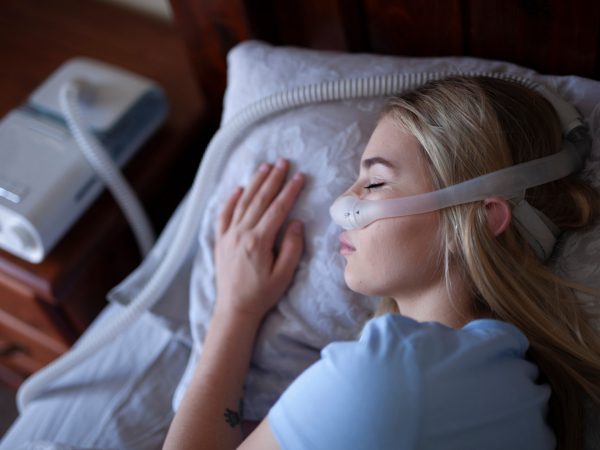
CPAP is the cornerstone for sleep apnea. It maintains airway patency during sleep and reduces apneas.
-
Oral appliances may assist by repositioning the jaw or tongue to maintain clear airways.
-
Surgery is infrequent but a possibility should devices falter or anatomy necessitate.
-
Oxygen therapy assists breathing in serious cases or with comorbidities.
Modifying these therapies to lipoedema clients typically requires more assistance. For instance, mask fit could be tricky with facial swelling or pain. Others might require more frequent device audits or tuning. Weight control, while recommended, is tricky with lipoedema as fat loss can be confined to other areas. Even so, any drop in BMI can reduce strain on airways and ease symptoms. Adherence to recommended treatments, such as CPAP, is key. Truncating it or ceasing prematurely can exacerbate sleep apnea and the associated issues.
Lipoedema-Specific Care
Treatment for lipoedema can include manual lymphatic drainage, a specialized massage that decreases swelling. Liposuction by experts can eliminate diseased fat and relieve symptoms. Treating lipoedema sooner may aid sleep apnea, as reduced swelling around the neck and chest can facilitate nighttime breathing.
Physical therapy strengthens, keeps joints flexible, and maintains function. Compression garments help manage swelling and can possibly ease sleeping. Every patient requires a care plan that suits their symptoms and lifestyle—there is no one-size-fits-all approach when treating both conditions.
Lifestyle Integration
-
Keep a regular sleep schedule
-
Choose balanced meals low in salt
-
Stay active with walking, swimming, or gentle cycling
-
Practice deep breathing or meditation
Regular exercise aids in weight management, elevates your mood and enhances your sleep. Minor nutritional adjustments—including moving towards a more plant based diet and away from processed food—can impact the quality of your rest. Stress management, even five minutes of mindfulness, can assist both body and mind.
Beyond The Physical
Living with stage 4 lipoedema and sleep apnea is about more than just the body. These conditions can occupy your mind, as well. Chronic fatigue, pain, and body changes cause stress, depression, and even low self-esteem. To juggle both means considering mental health, not only the physical symptoms.
Mental Toll
Daily life with both lipoedema and sleep apnea is hard. A lot manage pain, swelling and the physical transformations lipoedema introduces, while sleep apnea has them tossing and turning throughout the night. This mixture can leave folks feeling isolated — even despondent.
Sleep loss does more than make folks tired, it impacts how they think and feel. It can cause mood swings, difficulty concentrating and decreased patience with people. As time goes on, these effects accumulate, making it difficult to stay on top of work, family, and friends.
Support is important. Friends, family, or even a small cohort of people who get it – can aid. Support groups provide emotional solace, exchange advice and help to remind individuals that they’re not alone.
Contacting a mental health practitioner assists. Therapy or counseling, for example, can provide coping skills, a safe space to talk, and at times steer treatment plans.
Quality of Life
Sleep apnea and lipoedema influence the way people live every day. Bad sleep sucks because it’s hard to concentrate, manage stress, or even find the energy to do the simplest things. Most of us discover we can’t maintain the activities we enjoy or stay on top of daily tasks.
Good sleep is instrumental in feeling well. Dealing with sleep apnea and lipoedema in combination can really make a difference in your energy, mood, and being able to participate in social events. This can provide a confidence boost and make life feel more full.
Patient Insights: Learning from Patient Feedback to Shape Better Care Open conversations about what helps or harms enable physicians to discover the best techniques for every individual.
Patient Advocacy
Patient advocacy disseminates information on lipoedema and sleep apnea. It educates others about these health problems and may motivate to improve resources and care.
Understanding these disorders empowers patients. When folks know what to expect, they can be more thoughtful and ask for what they need.
Human interest. When patients share what they confront, it destroys dread and creates compassion. Somebody else will be less lonely.
Co-managing with doctors and nurses usually results in superior care. When both sides listen and share, treatment can better match the patient’s real needs.
A Personal Perspective
This is where comprehending the intersection between sleep apnea and advanced lipoedema requires reading between the lines of medical texts. Clinical experience and patient narratives illuminate how these conditions present together, the real difficulties people experience, and what is effective when it comes to treatment.
My Clinical Observations
Sleep apnea is not uncommon in individuals suffering from advanced stages of lipoedema. In my clinics, women with lipoedema frequently describe poor sleep, loud snoring, or waking short of breath. Most are shocked when sleep studies validate obstructive sleep apnea. For instance, there was a patient in her late 40s with swollen legs, persistent lethargy, and headaches. Following the sleep study, she found her oxygen levels plummeted dozens of times a night.
Symptoms don’t always appear the same. A few patients report weight gain and swelling that is exacerbated by inadequate sleep. Others find their daytime sleepiness subside with CPAP. Conventional therapies can aid some. Others require a combination of devices, weight loss advice and psychological assistance. We all react in our own unique ways, thus a cookie-cutter plan seldom succeeds. Personalized care—customized to each patient’s symptoms, body size and lifestyle—yields superior outcomes.
Learning from every patient informs better care. Being able to log what works and what doesn’t assist in optimizing future treatment of both sleep apnea and lipoedema.
The Patient Experience
We can all commiserate with the long waits for lipoedema and sleep apnea diagnosis. One woman recounted years of being told her swelling was “just weight gain”, as her sleep deteriorated. It wasn’t until she visited multiple clinics that she received answers and assistance.
Treatment access can be painfully slow or impossible, particularly where healthcare providers are unaware of lipoedema. Even basic things—like identifying compression wear or sleep masks that fit—turn into daily obstacles. Patients report they feel listened to and cared for when their physicians spend time listening, provide options, and describe things in accessible terms.
Empathy and clear talk matter as much as technical stuff. Patients appreciate being treated as whole individuals, not a collection of symptoms.
A Call for Awareness
-
Support public campaigns about lipoedema and sleep apnea links
-
Share clinical guidelines for combined screening
-
Offer patient workshops and peer groups
-
Push for insurance coverage for sleep studies
-
Encourage research on best care for both conditions
More community resources make patients feel less isolated. Healthcare groups need rapid-response education to identify these intersections early. The public awareness translates into greater funding, and greater funding means more support — and quicker, better care.
Future Research
Research on the connection between sleep apnea and advanced lipoedema is nascent. There are still many questions about the interplay between the two conditions and how they impact quality of life. More research is required to fill the gaps and inform improved patient care around the globe.
Knowledge Gaps
Existing research indicates an overlap of lipoedema and sleep apnea, yet most of it is unknown. We don’t know, for example, whether lipoedema directly increases risk for sleep apnea or if common risk factors, like increased body mass or reduced mobility, are more influential. Symptoms frequently overlap — it’s complicated to discern where one stops and the other begins.
We need more big, diverse studies. Most studies to date have been small and often concentrated on western or European groups. This leaves a void in knowing how these conditions manifest in individuals of other cultures or parts of the world. For instance, does sleep apnea present identically in women with lipoedema in Asia or South America as it does in Europe? Without large-scale research, we lose these solutions.
They should collaborate across disciplines. Sleep specialists and vascular experts and those intimately familiar with lipoedema can provide fresh perspectives by exchanging data and techniques. This type of collaboration might catch oblique connections or trends that a single community might overlook.
Potential Studies
Scientists could begin by conducting cross-sectional studies to monitor the prevalence of sleep apnoea in individuals with late-stage lipoedema. Incorporating case-control designs could assist in contrasting individuals with and without sleep apnea within this cohort and identify distinctive characteristics. Qualitative interviews with patients add another dimension, illustrating how daily life is impacted.
Longitudinal studies are essential. By tracking patients longitudinally, we observe how sleep apnea and lipoedema evolve in tandem. Such research could reveal whether early sleep apnea treatment can decelerate lipoedema advancement or if specific therapies benefit both disorders simultaneously. For instance, it might follow women for a period of 5 years to determine whether CPAP therapy for sleep apnea reduces pain or swelling from lipoedema.
Innovation is required. Exploring non-surgical treatments, such as breathing exercises or cutting-edge sleep tech, could provide additional care alternatives. If research validates these, clinics across the globe can transform how they assist patients, rendering care more individualized and efficient.
Collaboration
Uniting researchers and clinicians tears down the walls between new discoveries and actual treatment. By sharing patient data in worldwide networks, teams can identify trends more quickly and experiment with ideas across cultures and care systems.
Patient Involvement
Patients can provide actual input on their priorities. Having their voices in study planning, surveys and review boards keeps research grounded and practical.
Patients’ stories guide better care.
Conclusion
Sleep apnea is quite prevalent in individuals with late-stage lipoedema. A lot of them have serious trouble getting deep sleep and suffer from health conditions that drag them down. Physicians must recognize the symptoms sooner and collaborate with each individual, not just combat the illness. Simple measures such as improved sleep screening, candid conversations, and transparent information can go a significant way. New research could soon offer renewed hope and improved care strategies. To proceed, discuss discoveries, inquire, and participate in free discussions with medical panels. Every little step counts! For those of you who want to contribute or get involved, keep the conversation alive and follow along.
Frequently Asked Questions
What is the link between sleep apnea and advanced lipoedema?
Research reveals a heightened risk for sleep apnea among individuals with late-stage lipoedema. Excess adipose tissue can constrict airways, complicating sleep respiration.
Why is sleep apnea often missed in people with lipoedema?
Sleep apnea symptoms can overlap with lipoedema, like lethargy and bad sleep. This overlap can put off a correct diagnosis and treatment.
How can sleep apnea be diagnosed in those with lipoedema?
A sleep study — known as polysomnography — is the gold standard. * Doctors may employ questionnaires and symptom monitoring to detect sleep apnea early.
What are the benefits of treating both sleep apnea and lipoedema together?
Treating sleep apnea can improve sleep, energy and mood. When lipoedema is effectively managed, symptoms are reduced and overall health improved, which creates a synergistic effect.
Can lifestyle changes help manage both conditions?
Yes. Exercise, nutrition, and sleep hygiene can assist with weight management and lessen the impact of sleep apnea and lipoedema.
Is there ongoing research on sleep apnea and lipoedema?
Scientists are investigating the link between these conditions. Research continues in the quest for improved diagnosis and treatments for those suffering from both.
How does living with both conditions affect mental health?
Living with both can compound feelings of stress, anxiety and isolation. Professional and peer support can be a great help.