
Key Takeaways
-
Lipedema is a chronic adipose tissue disorder that uniquely affects patient mobility, comfort, and quality of life, necessitating dedicated awareness and management.
-
Retatrutide is a novel triple hormone receptor agonist therapy that is demonstrating potential for treating abnormal fat deposition and improving metabolic health in lipedema patients.
-
Retatrutide’s tripled action could potentially assist in fat reduction, enhance insulin sensitivity, and encourage metabolic flexibility. These are key hurdles in lipedema patients.
-
Retatrutide’s anti-inflammatory and anti-fibrotic properties may have benefits for lipedema patients, as inflammation and fibrosis are key features of the condition.
-
While treatment options for lipedema remain limited, the case for novel therapies is strong and research must continue to examine the efficacy and safety of emerging agents such as retatrutide.
-
Patients should collaborate closely with healthcare providers to review treatment options, watch for side effects, and make sure care plans are customized to their specific needs and situations.
Retatrutide, a GLP-1 and GLP-2 receptor agonist, is a potential game changer for lipedema patients. Lipedema is a long-term fat condition that frequently results in discomfort and swelling in the legs and arms.
Initial studies indicate retatrutide could reduce fat deposits and alleviate symptoms associated with lipedema. Care teams crave additional treatment options for this disease.
Below, this article details what experts understand about retatrutide and its potential applications in lipedema treatment.
Understanding Lipedema
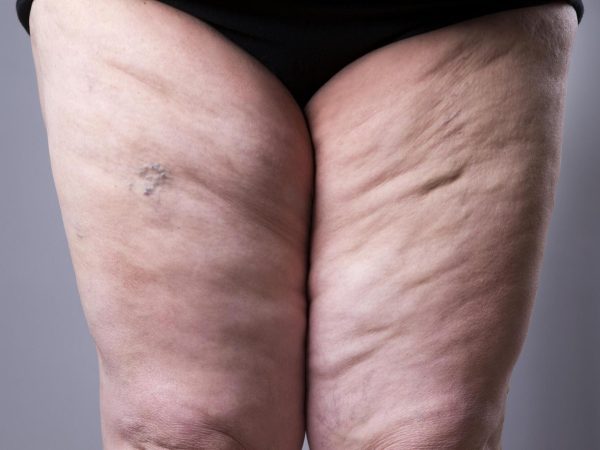
About: Understanding Lipedema Lipedema is a chronic disorder characterized by unusual fat accumulation, mainly in the legs and occasionally the arms. This fat is not your typical weight gain. It develops in a way that makes the lower body significantly larger than the upper.
Lipedema is not rare, but it’s frequently overlooked or misdiagnosed as normal obesity. It can begin at any point in life, but typically makes its appearance with hormonal shifts, such as puberty or pregnancy. Many lipedema patients have the experience of trying really hard to lose weight through diet or exercise, but the fat in their limbs barely shifts.
Even aggressive measures such as bariatric surgery do not change these areas of fat, which are often resistant. This absence of metabolic change distinguishes it from typical obesity and provides physicians with a hint that it’s a distinct disease.
The daily life effects from this fat build-up extend well beyond the cosmetic. Adipose tissue dysfunction in lipedema brings a lot of problems, including:
-
Leg and arm pain that is severe or constant.
-
Hard time moving or walking, leading to less activity.
-
Feeling tired much of the time.
-
Swelling, bruising, or skin that feels tender to touch.
-
High rates of depression or worry about body image.
-
Social withdrawal or loss of self-confidence.
-
Trouble finding clothes that fit well.
-
Poor sleep due to pain or swelling.
The disease process is linked to dysfunction in the body’s immune and hormone systems. The adipose tissue in lipedema exhibits an increased level of M1 macrophages, immune cells associated with inflammation. These cells produce chemicals such as TNF-α, IL-6, and MCP-1.
This combination triggers chronic, low-grade swelling and pain. The immune cells in these fat pockets perpetuate this cycle and worsen the condition. Hormones are at play as well. Most instances of lipedema begin or worsen with estrogen fluctuations.
Certain treatments are beginning to consider using hormones to assist symptom management, but further studies are required. It’s important to understand that lipedema is not simply excess weight. Lipedema fat has a distinct gene and chemical signature.
This causes it to behave differently than fat from normal weight gain. Many of the obesity treatments, such as dietary modifications, weight loss medications, or even liposuction, do not address the underlying issue in lipedema. This creates huge demand for different treatments for the disease.
A clear diagnosis comes first, so lipedema patients can receive care tailored to their specific needs.
Retatrutide’s Promise
Retatrutide emerges as a promising drug for lipedema, a chronic disorder characterized by painful fat accumulation, primarily in the legs and arms. This drug targets three hormone receptors at a time to try to dismantle hard-to-lose fat and improve metabolic health. For those with lipedema in particular, who battle to find effective treatments, a therapy like retatrutide could represent a shift in care.
1. Triple Action
Retatrutide is referred to as a triple agonist due to its action on GLP-1, GIP, and glucagon receptors. By hitting these, it gets the body handling sugar, fat, and energy metabolism more fluidly. This differs from older medications that targeted a single hormone.
The triple action could potentially help modify how fat is stored and utilized, which plays an important role for individuals with lipedema, who tend to have fat deposits that are unresponsive to traditional diet or exercise. With GLP-1 and GIP collaborating, insulin sensitivity could improve, allowing the body to process sugar more effectively.
Glucagon action contributes to the blend by accelerating lipolysis. Appetite tends to decrease, making weight management simpler, which is an important component in treating lipedema.
2. Metabolic Shift
Retatrutide could assist to shut down the creation of new fat. While most with lipedema struggle with sluggish metabolism and insulin resistance, enhancing fat burn can be a huge win. It can help blood lipids, drop blood sugar and normalize fuel utilization.
Improved metabolic health translates to reduced inflammation, reduced pain, and increased energy for living.
3. Anti-Inflammatory
Chronic inflammation is prevalent in lipedema and can exacerbate symptoms. Retatrutide might be able to reduce this inflammation by preventing the release of signals that trigger the body’s immune response.
Less inflammation and less soreness soon come. This may reduce the rate at which lipedema progresses. By reducing specific cytokines, which are small proteins that fuel inflammation, retatrutide has the potential to accelerate patient recovery and prevent the disease from progressing.
4. Fibrosis Reduction
Retatrutide may assist in addressing fibrosis, or tissue thickening, which is prevalent in late-stage lipedema. It might be able to help dissolve old scar tissue and prevent new scars from developing.
That way, the subcutaneous fat might become tender and malleable. By altering the behavior of cells in the tissue, retatrutide could halt the cycle of fibrosis and edema that propels lipedema.
|
Treatment |
Mechanism |
Key Benefits |
Notable Limitations |
|---|---|---|---|
|
Retatrutide |
Triple hormone agonist |
Fat loss, metabolic boost |
New, long-term data limited |
|
Compression |
Mechanical support |
Swelling control |
Symptom relief only |
|
Liposuction |
Surgical fat removal |
Reduces fat volume |
Invasive, risk of recurrence |
|
Diet/Exercise |
Lifestyle interventions |
General health |
Often ineffective for lipedema fat |
The Clinical Gap
Lipedema is a chronic adipose disease that predominantly impacts females. It can cause pain, edema, and distortion of body contour. Despite potentially impacting close to 39% of women, lipedema is still rarely covered in medical school. Far too many people go years without a proper diagnosis. This renders it difficult for patients to receive care that fits their needs. The clinical gap is obvious. Clearly, there’s a desperate requirement for improved and targeted therapeutics. Retatrutide, a novel agent in development, is now being explored to address this gap.
Existing therapies have limitations. That’s where you realize diet and exercise often don’t help much with lipedema fat. Patients can attempt rigid diets or exercise regimes; however, the fat associated with lipedema does not behave like typical fat. Compression can assist in relieving swelling but it doesn’t reduce the fat tissue.
Manual lymphatic drainage and other massage modalities can provide short term relief, but they do not provide long term fat reduction or symptom reversal. Liposuction, of course, is an option, but it’s surgical, risky, and expensive. Not all patients are surgical candidates, either by virtue of their condition or because of local regulations and costs. Pain control meds can relieve symptoms for some, but they don’t address the underlying cause. As a result of these constraints, a large number of patients have difficulty escaping the grip of long term suffering or transforming their experience.
The demand for novel therapeutics is obvious. Researchers are now investigating how medicines like retatrutide could assist by tackling more than a single biological process. Lipedema appears to be fat tissue that isn’t functioning properly, along with chronic swelling and lymphatic drainage issues. Retatrutide, like similar medicines such as tirzepatide, targets multiple of these pathways simultaneously. This multi-target strategy may result in improved outcomes for lipedema patients.
Most existing studies are very small and involve few patients. A 2024 scoping review examined 13 studies and more than 1,200 patients. We discovered that further research is still needed to understand what works best, particularly for different patient populations globally. Clinicians utilized numerous methods to detect lipedema, including physical examinations, fat biopsies, blood markers of inflammation, and screenings for rare genetic mutations. Without more large trial data, it’s difficult to know which treatment will work for most people.
Patient Perspective
Lipedema literally brings pain, swelling and heaviness to limbs, turning simple tasks hard for many. Most patients experience their symptoms being mistaken for obesity. Lipedema is an entirely separate condition with distinct fat-storing patterns that resist traditional dieting and exercise.
Even with stringent calorie control, the stubborn lipedema fat tends to remain, which can be disheartening and take a toll on your mental health. Surgical options such as liposuction have aided patients in minimizing pain and swelling, but surgery is not always accessible. Many lean on compression therapy, anti-inflammatory diets, physical therapy and medications to manage symptoms. Discovering the right mix requires time, support and patience.
The feedback we hear from them is invaluable in shaping treatments that meet real-world needs. Most lipedema sufferers will tell you that their path is one of trial and error, with traditional weight loss suggestions often failing to deliver. This reality illuminates why it is important to involve patients in decisions about their own care.
When providers collaborate with patients to construct treatment plans, the outcomes can be more functional. Patient perspective communities and support systems are important. Bonding with other people who ‘get the struggle’ of lipedema can relieve isolation and provide practical advice.
Healthcare teams when open-minded and educated can provide guidance based on recent research and experience. Online and in-person support groups disseminate awareness of cutting-edge interventions such as retatrutide and exchange candid experiences of what helps and what doesn’t.
There is typically a need for customized weight management because lipedema fat does not act like regular fat. While diet, exercise, and lifestyle adjustments can make an impact, most fit patients require a personalized regimen tailored to their own physiology and medical history. Drugs like retatrutide are regarded as hopeful by some, particularly for those who have found no relief elsewhere.
Side Effects
-
Constipation
-
Diarrhea
-
Nausea
-
Changes in hunger cravings
-
Headache
-
Fatigue
At Patient Perspective, nothing is more important than monitoring side effects to keep patients safe and treatment on track. You could experience good energy, gut issues, or appetite changes. As with any new drug, you have to balance relief with side effects.
Honest talks with your doctors enable you to quickly recalibrate your plans, easing the process of discovering some sort of workable balance.
Accessibility
Getting access to retatrutide can vary by cost, insurance and geographical location. Anywhere expensive or not covered, it can get in the way of those who need it the most. Equal access counts so that anyone who might profit has a genuine opportunity, not just someone.
There are now programs and advocacy groups that raise awareness and advocate for better coverage. These initiatives assist additional patients in receiving treatment even when supplies are limited.
Physician Dialogue
Open talks between patients and doctors matter for finding the best treatment. When doctors are familiar with lipedema and new treatments, they can provide better options for their patients. Shared decision-making is key, allowing patients and doctors to strategize together.
Routine check-ins assist in identifying issues early and keep treatment moving in the proper direction.
Beyond Weight Loss
Retatrutide is making waves for more than just its assistance with weight loss. Its scope extends further. The drug operates on three key gut hormones linked with how the body manages food, sugar, and fat. In other words, it could benefit lipedema patients beyond simply reducing the number on a scale.
What connects these hormones to the big issues—high blood sugar, bad cholesterol, or low energy—makes this drug worth a second glance for anyone living with lipedema.
A checklist shows where retatrutide might help beyond weight control:
-
Better blood sugar control
-
Possible boost to heart health
-
Help with fatty liver and kidney problems
-
Reduced joint stress alleviates osteoarthritis pain.
-
More steady energy and focus
-
Lower appetite and fewer food cravings
-
Maybe better movement and daily function
-
Possible boost to mood and mental well-being
Retatrutide’s impact on metabolism suggests it may be effective against type 2 diabetes and MASH, which are prevalent among individuals with weight challenges, such as those with lipedema. For example, better insulin use and lower blood sugar can reduce the risk of nerve and eye issues.
It decelerates the advance of fatty liver, a genuine concern for many dealing with chronic metabolic maladies. Some preliminary evidence suggests less risk of heart attacks or strokes, but this requires further confirmation. These potential advances are important for lipedema patients, where pain and swelling commonly restrict mobility.
Lipedema care must extend beyond the physical. A plan that addresses both physical and emotional health is critical. Retatrutide might have a role in this since improved blood sugar or heart health can translate into less stress and more fuel for life.

For instance, if arthritic knee pain improves due to reduced weight and inflammation, walking or standing becomes feasible and that in itself can boost mood and confidence. It’s not just medicine. Supplementing with physical therapy, counseling, and nutritional guidance can complete treatment, ensuring all facets of life receive the attention they require.
The longterm implications and complete spectrum of benefits for retatrutide are still unknown. What the studies do show is hope for better health and more comfort for lipedema patients. As more studies emerge, the complete narrative of how this medication fits into treatment regimens will become clearer.
Future Outlook
Retatrutide attracts attention as a fresh option for lipedema, a chronic fat condition impacting millions globally. Its future for this treatment seems linked to its compatibility with other treatments and the impact it can make for patients in the real world. The lipedema treatment landscape is changing. For most, care these days is surgery, compression, or physical therapy. These may assist in decelerating symptoms, but they’re not effective for everyone.
Retatrutide is notable because it works differently. It’s a multi-faced, multi-metabolic path-targeting peptide. Initial research indicates it can reduce inflammation and pain, which are two key challenges among people with lipedema. If these outcomes hold up in larger populations, retatrutide could bridge a gap that existing treatments skip.
While still in clinical trials, increasing research is important in displaying whether or not retatrutide will be effective in the long term. Most of the data to date is from early-phase trials with small cohorts. These trials emphasize safety, dose, and initial indicators of efficacy. To get a real sense of what retatrutide is capable of, we need larger studies that follow people for months or years.
Scientists observe for fluctuations in body weight, discomfort, swelling, and life boundaries. For instance, a trial might examine mobility distance or pain during movement. Others can monitor blood sugar, heart rate, or side effects. Every trial builds the argument for or against retatrutide and demonstrates where it may slot in treatment regimens.
The hope is that, armed with sufficient evidence, retatrutide may become a lipedema treatment standard around the globe. That might translate into increased options for patients underserved by existing treatments. This could mean fewer surgeries or years of pain pill use. If health groups and payers observe robust evidence of safety and efficacy, retatrutide could be incorporated into treatment guidelines.
In countries with different health systems, the distribution may vary. Some might see it in clinics first, while others might require additional time for approval and funding. Hope that breakthrough treatments such as retatrutide can transform life with lipedema.
As additional data emerges, patients and providers will likely have greater choice to find what fits their needs. It’s a field open to change, and every step forward in research offers new means of lightening the burden of this still-misunderstood disorder.
Conclusion
Retatrutide offers genuine promise to individuals suffering from lipedema. Many seek improved methods to control swelling and pain. Early indications suggest advantages beyond weight loss. Physicians require additional evidence from actual experiments. They want solutions that work in everyday life, not just lab values. A new drug can inspire hope, but with it comes questions and skepticism. To reach clear truths, more open discussion and sincere investigation need to occur. Real change stems from collaborative action—patients, physicians, and scientists. To get more info or share your story, contact a care team or support group. Actions may begin tiny in scope, but every one makes a difference. Keep seeking the new and fight for care that works.
Frequently Asked Questions
What is lipedema?
Lipedema is a condition causing disproportionate fat deposits in the legs and occasionally arms. It brings pain, inflammation, and easy bruising. This condition primarily affects women.
How does retatrutide work?
Retatrutide is a next-generation hormone-hormone receptor agonist designed to regulate appetite and facilitate weight loss. It is still being studied for other applications.
Is retatrutide approved for treating lipedema?
At this time, retatrutide is not approved for lipedema. It is primarily being investigated for weight management and comorbidities.
Can retatrutide help lipedema symptoms beyond weight loss?
Research is still sparse. Others may find that swelling and pain are lessened when they lose weight, but additional research is required to validate these advantages for lipedema.
Are there clinical trials for retatrutide in lipedema patients?
No published trials yet for retatrutide for lipedema. They’re mostly in obesity or metabolic health.
What should lipedema patients consider before using retatrutide?
Patients, please discuss potential benefits, risks, and side effects with your healthcare provider. Consult your doctor before beginning any new treatment.
What is the future outlook for retatrutide in lipedema care?
Additional research and clinical trials are necessary to determine retatrutide’s potential effectiveness and safety for lipedema patients.