
Key Takeaways
-
Understand lipedema as a progressive condition with disproportionate fat in the lower body that is typically difficult to manage with diet. Pursue early evaluation to decelerate progression and minimize related issues.
-
Construct a daily management plan that blends anti-inflammatory nutrition, gentle activity, and steady compression to minimize inflammation, promote lymphatic flow, and enhance mobility.
-
Employ lymphatic-supportive practices such as self-massage, leg elevation, hydration, and sleep optimization to reduce swelling and preserve skin integrity.
-
Add supportive therapies such as manual lymphatic drainage, dry brushing, or supervised vibration plate sessions selectively based on stage and tolerance. Track response carefully.
-
Make self-care sustainable by prioritizing mental health with stress-reduction techniques, social support, and realistic goal setting to help manage setbacks.
-
Follow symptoms, record fluctuations, and collaborate with medical professionals to customize treatments. Natural means aid with symptom management; they do not cure.
How to manage lipedema naturally at home involves simple daily habits and care that work to alleviate pain, swelling, and skin changes without surgery.
Pragmatic choices include light motion, compression garments, lymphatic self-massage, anti-inflammatory diet decisions, and sleep and stress rituals. Tracking symptoms and working with a healthcare provider helps customize these approaches.
The next sections describe each along with the benefits and easy ways to incorporate them into a regular day.
Understanding Lipedema
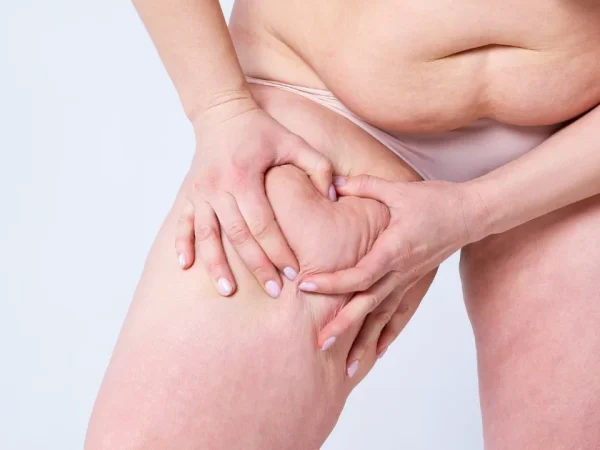
In short, lipedema is a chronic and progressive disorder characterized by the disproportionate accumulation of subcutaneous fat, typically in the lower extremities and less frequently in the upper limbs. This fat is different from ordinary adipose tissue; it is nodular, tender, and tends to resist weight loss through diet or exercise.
Early recognition counts because prompt intervention can slow progression and minimize complications like edema, decreased mobility, and metabolic risk.
The Four Stages
|
Stage |
Description |
Fat distribution |
Key clinical signs |
|---|---|---|---|
|
I |
Smooth skin surface with enlarged hypodermis |
Even, diffuse fat on thighs and hips |
Mild pain, soft nodules |
|
II |
Uneven skin with larger nodules and indentations |
More pronounced fat lobules on legs |
Increased bruising, discomfort |
|
III |
Large deforming fatty masses, skin folds |
Massive fat pads around thighs/legs |
Limited mobility, chronic pain |
|
IV |
Lipolymphedema: combined fat and lymph fluid |
Widespread swelling plus fatty deposition |
Persistent edema, recurrent infections possible |
Symptoms and fat patterns worsen across stages. Stage I starts with a subtle increase in subcutaneous fat. By Stage III, the limbs exhibit large deforming pads that alter gait and posture.
Advancement usually means increased edema, discomfort, and susceptibility to lymphatic compromise. Stage IV indicates obvious lymphedema on top of lipedema. Early intervention, including compression, lymphatic care, exercise, and habits tailored to weight stability, can temper clinical progression and enhance quality of life.
Common Symptoms
Symmetrical lower body swelling and bruising are hallmark signs. Affected tissue typically feels heavy and painful to the touch, with a sensitivity that restricts pressure tolerance.
Fatty nodules and irregular skin texture often present early, with chronic swelling that can ebb and flow through the menstrual cycle. Lipedema fat typically defies calorie reduction and conventional activity, meaning patients can experience minimal limb size differences with weight loss.
This resistance aids in differentiating lipedema from obesity. Unlike primary lymphedema, the feet are often spared and Stemmer’s sign is typically absent. This clinical detail aids differential diagnosis. In the inflammatory phase, symptoms peak. Pain, edema, fatigue, and unprovoked bruising become more intense.
Diagnosis Path
Diagnostic criteria include bilateral symmetrical limb enlargement, disproportionate subcutaneous fat, and normal skin on the feet. During a clinical exam, there may be tender fat deposits and the absence of Godet and Stemmer signs, which distinguishes lipedema from lymphedema and venous disease.
Family history and genetics are important as lipedema tends to run in families. Clinicians will rule out venous insufficiency and other cardiovascular causes.
Ultrasound may aid diagnosis by demonstrating the typical subcutaneous alterations. Some studies suggest ultrasound criteria. Log symptoms with photos, measurements, and a symptom journal to aid diagnosis and direct treatment.
Natural Home Management
Natural approaches focus on symptom reduction, lymphatic support and deceleration of fat accumulation progression while accepting lipedema as a chronic progressive abnormal subcutaneous fat disease. Lipedema is not significantly affected by diet or exercise alone. The combination of diet, movement, and lymphatic support can reduce pain, increase mobility and enhance daily comfort.
Here is a numbered plan that combines these strategies into a realistic daily schedule based on stage and need.
-
Nutrition and inflammation control
Eat an anti-inflammatory diet consisting of healthy fats, lean proteins, and low-glycemic carbs. Think about a RAD approach, a Mediterranean-style plan that keeps glycemic load low and restricts blood sugar spikes. A low-carb plan typically restricts carbs to 100 to 150 grams per day.
A keto diet limits carbs to 20 to 50 grams to enter ketosis and transition fuel use toward ketones, although ketosis is not necessary to experience benefit. Steer clear of trans fats, excess sugars, and ultraprocessed foods that can amplify inflammation and fluid retention.
Map meals and symptoms to identify foods that spark inflammation or sensitivity. Include nutrient-rich options such as omega-3s from oily fish, leafy greens, berries, and nuts, and talk with a clinician about supplements like vitamin D, magnesium, or omega-3s to support fat-burning metabolism and optimized lymph circulation.
-
Movement to aid flow and function
Do gentle, consistent exercise such as walking, swimming, or lymphatic yoga to encourage lymph flow and to maintain joint mobility. Refrain from doing repeated high-impact exercises that might exacerbate joint pain or localized inflammation in limbs.
Construct routines that combine low-impact cardio, range-of-motion exercises, and light weights to boost circulation and healthy weight management. Aim for regular periods of short daily walks or 30 to 45 minute swims a few times a week so energy expenditure is constant but not draining.
-
Compression and consistent support
Wear graduated compression while you go about your day. If you’ve had a skin graft though, wearing compression during the day provides significant relief, prevents pain, and helps reduce daytime swelling.
Select compression levels by stage, using lighter grades for early stage and firmer grades when substantial edema is present, and fit to prevent skin breakdown. Elastic compression together with manual lymphatic drainage has been shown to relieve.
Continue to keep an eye on skin integrity and comfort, and pursue fitting assistance from a professional.
-
Lymphatic care and skin protection
Self-lymphatic massage or manual lymphatic drainage promotes fluid circulation. Elevate legs when you can, stay well-hydrated, and incorporate deep breathing and gentle stretching as lymph-friendly habits.
Maintain skin moisture with gentle, unscented moisturizers and monitor daily for signs of infection such as redness or ulceration. Skip harsh soaps and abrasive scrubbing, wear breathable, loose clothing to minimize friction, and maintain the skin barrier.
The Mind-Body Link
Lipedema is about more than tissue. It changes your whole life, your mood, and your systems of stress and repair in the body. Knowing the mind-body link makes managing the home more efficient. The subtopics below disaggregate actionable ways to combat inflammation, bolster lymphatic support, and enhance resilience.
Stress Reduction
Secondly, chronic stress elevates cortisol, which can exacerbate inflammation and fluid retention. Short breathing routines, such as box breathing for five minutes or 4-4-8 breaths, are simple to execute while seated or recumbent and reduce stress rapidly. Just daily mindfulness practice, even ten minutes of guided meditation, transforms the brain’s response to pain and can reduce perceived discomfort.
Prioritize activities that engage focus without tension, like reading, light crafts or easy gardening. These activities take your mind off pain and provide a consistent mood lift. Minimize exposure to ads or media that incite body-image stress by customizing feeds and unsubscribing from distressing content. This little step reduces chronic negative stimuli that increase stress hormones.
Design a calm home space: soft lighting, a chair dedicated to rest, and a small routine of tea, quiet music, and a five-minute leg-elevating break can cue the nervous system to relax. Use olfactory or tactile cues, such as lavender or a weighted blanket, to prime rest. These environmental shifts support lymph flow more directly by reducing sympathetic drive and inducing parasympathetic breaks.
Sleep Quality
Regular sleep timing is important for metabolic homeostasis. Go to bed and rise within that same 1 hour window each day to keep your insulin and repair hormones in check. Elevate legs with pillows or a wedge to assist fluid drainage during the night and help decrease morning stiffness. Adjust the angle and pillow firmness until swelling feels less.
Cut screens an hour before bed. Blue light hinders melatonin and fragments sleep, which exacerbates inflammation. Trade screen time for low-stimulus rituals, such as reading a paper book, light stretches, or a warm foot bath. Track sleep with a simple journal or a basic tracker to note patterns, including time asleep, wake-ups, and morning swelling.
Tweak habits based on patterns. An earlier bedtime, a new pillow arrangement, or short naps during the day can all enhance rejuvenating shut-eye.
Emotional Well-being
Seek peer support in online forums or local groups to exchange tips on compression, exercise, and diet. Hearing others’ pragmatic wins lessens isolation and sparks new strategies. Rejoice in small victories, such as less sensitivity following seven days of massage or greater flexibility following several weeks of daily low-impact walks, and record those wins to instill confidence.
Deliberately practice self-compassion whether through affirmations or brief journal entries that recognize effort not outcome. Don’t compare. Clinical courses are different and what helps someone may not help you.
Turn to creative avenues whether it’s drawing, music, or journaling to work through frustration and identify symptom patterns, which can expose triggers and little victories to duplicate.
Supportive Therapies
Supportive therapies are designed to minimize pain and swelling, enhance lymphatic flow, and encourage mobility and skin integrity. They don’t substitute diagnosis or surgery, like liposuction, which can be a tool for some. Often, these options work best when paired with lifestyle changes such as anti-inflammatory, low-carb or keto diets and movement.
|
Therapy |
Method |
Benefits |
Suitability / Notes |
|---|---|---|---|
|
Manual lymphatic drainage (MLD) |
Gentle, rhythmic skin strokes toward lymph nodes |
Reduces edema, eases pain, may improve lymphatic function |
Best for early-to-moderate stages; trained therapist advised |
|
Dry brushing |
Soft-bristled brush; upward strokes toward heart |
Stimulates superficial circulation, may aid lymph flow |
Low cost; avoid if skin is fragile or inflamed |
|
Vibration plate therapy |
Short supervised sessions on low-frequency plate |
Improves circulation, muscle tone, may assist drainage |
Start low intensity; monitor bruising or pain |
|
Compression garments |
Graduated stockings or wraps |
Supportive pressure limits fluid build-up, reduces pain |
Fit to stage; adjunct to other therapies |
|
Exercise & movement |
Walking, low-impact strength, swimming |
Boosts venous return, reduces fatigue, helps weight control |
Tailor to tolerance; combine with vibration or MLD |
Manual Lymphatic Drainage
Get some basic MLD training from credentialed therapists or certified videos for the gentle strokes that direct lymph toward central nodes in the groin and pelvis. Supportive therapies occur thrice weekly, then weekly or biweekly based on symptom load and stage.
Self-MLD can augment professional care but should imitate the light touch and rhythm of therapists. Focus mainly on impacted limbs—thighs and lower legs—addressing sore fatty deposits and skipping intense massage that may damage delicate subcutaneous tissue.
MLD decreases swelling and may decrease pain in the inflammatory phase, when symptoms such as tenderness, fatigue, and easy bruising are at their peak.
Dry Brushing
Use a soft-bristled brush and make short, upward strokes from feet to torso for a few minutes daily. Keep sessions brief so as not to irritate any lipedema tissue.
Be sure to change brushes frequently and wash them to prevent skin infections or irritation. Cease any time you observe ongoing redness, broken skin, or increased pain.
Dry brushing is not appropriate in the presence of inflammation or fragile skin. It may be a low-cost adjunct to MLD and compression, but it should not substitute for medical evaluation when diagnoses such as lymphedema or venous disease may co-exist.
Vibration Plates
Begin with low-intensity, brief sessions — 2 to 5 minutes — and combine the plate with light exercises such as calf raises or mini-squats, which can boost both muscle pump and lymphatic flow.
Vibration can enhance circulation and muscle tone and can have some patients experience reduced limb volume when used in conjunction with compression, targeted exercise, and diet.
Use with supervision initially and not if advanced lymphedema (stage IV) or other contraindications.
My Personal Journey
I was diagnosed with lipedema in my late twenties and started researching natural ways to keep symptoms at bay from the comfort of home. Early on I focused on small, steady changes: improving sleep, drinking more water, adding gentle movement, and learning basic lymphatic care. While they didn’t cure it, those steps did cut down on pain spikes, increase mobility, and provide a feeling of control.
Daily Routine
-
Wake, drink 300 to 500 milliliters of water, and immediately follow this with 5 to 10 minutes of deep breathing or guided meditation to calm the nervous system.
-
Wear compression socks during the day when swelling is more serious. Compression provided me improved leg support and aided mobilization.
-
Plan 20 to 40 minutes of low-impact activity such as swimming or yoga on most days. Adjust duration to intensity.
-
Do quick self-MLD or targeted massage every other day and check skin for any changes after showers.
-
Maintain a sleep window for 7 to 8 hours. Go to bed at the same time to assist with hormone balance.
Consistency mattered more than intensity. On bad days I truncated sessions to 10 minutes and concentrated on hydration and breath work. On good days I stretched and did longer MLD. This combination of hard and soft habits lessened overwhelm and helped avoid backsliding.
Small Wins
-
Better sleep: A steady 7 to 8 hours led to fewer night pains and clearer energy the next day.
-
Less daily stiffness: After months of low-impact exercise, walking felt easier and joint strain dropped.
-
Less irritable and sleeping better from daily meditation and a steady routine.
-
Adhering to a plant-forward diet with plenty of fruits curbed bloating and provided consistent energy.
Recognizing the small victories fueled me. I tracked weekly victories, an additional night of quality sleep, five days of activity, and posted them to friends. Those notes seemed tangible and held motivation constant. Recognize accomplishments, a week of consistent compression, a month of daily water goals, they are significant.
Community Power
Joining online support groups provided great tips on compression brands, MLD techniques and supplements like vitamin D3 when deficiency popped up on labs. Team challenges, such as step or hydration streaks, supported habit persistence.
I even went to local meetups to swap hands-on tips and test out massage methods firsthand. Returning the favor by answering questions and passing along little tips established a feedback loop of resilience and de-isolation.
Community advice should be balanced with professional guidance, but it can direct you to helpful alternatives to explore with your clinicians.
Realistic Expectations
About: Realistic expectations. Begin by scaling objectives to your lipedema phase and lifestyle. Early stages often respond better to conservative measures. Consistent low-impact exercise, compression garments, and dietary changes can reduce pain and slow progression.
Later stages may require additional reinforcement and will tend to exhibit more gradual, incremental improvements. Have short-term goals, like decreasing soreness, improving range of motion, or fitting in clothes more easily. Have long-term goals, such as maintaining activity and slowing swelling over months.
Natural methods alleviate symptoms, but lipedema is incurable. Manual lymphatic drainage, cautious strength training, weight-stable diets, and mindfulness to reduce stress frequently decrease pain and bruising and can decrease fluid retention.
These strategies can enhance life and functional quality, but they do not target the abnormal fat tissue that characterizes lipedema. Anticipate symptom relief, not a cure.
Advancement is typically incremental and nonlinear. You might experience weeks of outright progress and others full of regress after travel, sickness, or a hormone shift. Track changes with simple measures: how far you walk, pain scores, or garment fit rather than relying on scale weight.
Small wins, such as easier steps, fewer bruises, and a lighter head, are significant and accumulate into big, consistent progress. Expect backsliding and have some basic self-care steps to fall back to, like compression and a quick stretch routine.
Think longevity and quality of life, not quick volume loss. Sure, diet and exercise can improve your metabolic profile, reduce inflammation, and help overall function, but they very infrequently alter limb fat distribution to any sizable degree.
Watch out for rapid, dramatic volume loss from non-surgical solutions. Instead, prioritize habits you can maintain: a balanced Mediterranean-style eating pattern measured in grams and portions, low-impact cardio like swimming or cycling for 150 minutes a week, and twice-weekly resistance work to maintain strength.
Know surgical and non-surgical limitations and dangers. Liposuction can clear lipedema fat and result in better form and reduced pain for many, but it is not a cure and often requires staged procedures.
Nothing beats surgery and conservative care combined. Understand possible complications, rehabilitation requirements, and chances of requiring long-term care afterward. Employ realistic expectations to select treatments that align with objectives, prevent disillusionment, and coordinate lifelong care.
Conclusion
Lipedema care at home can slow swelling, reduce pain and increase daily comfort. Begin with consistent low-impact activities such as walking or pool exercises. Add easy skin care and intuitive eating emphasizing whole foods and moderate salt consumption. Through manual self-massage and well-fitted compression, get fluid moving. Mix breath work and mini stress breaks to soothe the nervous system and relieve pain. Try gentle touch therapies and inquire with local therapists about lymph-focused options. Monitor your progress with photos and notes. Anticipate little victories and gradual progress. Remain connected to a care team and peer groups for genuine support and advice.
So what do you say—ready to give a plan a shot? Choose one new habit this week and observe your body’s response.
Frequently Asked Questions
What is lipedema and how is it different from regular fat or lymphedema?
Lipedema is a chronic and progressive disorder where there is symmetrical accumulation of fat in the limbs, along with tenderness or pain and easy bruising. It is distinct from normal fat by distribution and pain and from lymphedema because the swelling is predominantly fatty, not fluid, although they may coexist.
Can diet and exercise reduce lipedema at home?
Diet and exercise can assist symptoms, minimize inflammation, and restore mobility. They almost never take off lipedema fat entirely. Think anti-inflammatory foods, a balanced calorie plan, and low-impact exercise such as walking, swimming, or cycling.
Which compression garments should I use at home?
Wear lipedema-sized medical-grade compression garments. Graduated compression relieves pain, supports tissues, and promotes circulation. Consult a fitter or specialist for the proper class and fit.
Are herbal supplements or natural remedies effective for lipedema?
Certain supplements, such as omega-3s and flavonoids, can reduce inflammation and bruising. There isn’t much proof. Always bring up supplements with your doctor to avoid interactions and to ensure safe, evidence-informed use.
How can I manage pain and mobility daily?
Mix daily low-impact movement, compression, massage or MLD techniques, and heat or cold as needed. Tips for Managing Lipedema at Home – Prioritize sleep, pacing, and using tools to ease strain.
When should I see a specialist about my lipedema?
See a specialist if you experience progressive limb enlargement, increasing pain, reduced mobility, or signs of infection. Early evaluation by a vascular, lymphatic, or lipedema-aware clinician improves care options and outcomes.
Can mental health strategies help with lipedema?
Mind-body tools, such as cognitive behavioral techniques, stress reduction, and support groups, can lessen the emotional weight, enhance coping, and promote adherence to treatment. Find a therapist who has worked with people with chronic illnesses.