
Key Takeaways Lipedema is a lifelong disease characterized by disproportionate fat accumulation and swelling, particularly in the legs, that benefits from early diagnosis and lifelong care. Safe foam rolling with lipedema includes visiting a certified lymphedema therapist, starting slow with gentle pressure, and respecting your body responses. Opting for a soft, comfortable foam roller, using […]

The RAD Diet for Lipedema: A Beginner’s Essential Guide to Managing Symptoms
Key Takeaways The RAD diet is a structured lipedema nutrition plan that emphasizes anti-inflammatory, nutrient-rich whole foods and minimizes processed ingredients. Slowly incorporating RAD principles and thoughtful planning can help you make sustainable changes to your diet while avoiding overwhelm. Focusing on hydration, low sodium, and low glycemic index foods may minimize swelling and promote […]

Lipedema Liposuction Cost Breakdown | What You Need to Know in 2026
Key Takeaways Lipedema liposuction cost 2026 – surgeon’s fees, anesthesia, facility charges and pre/post-op expenses may vary depending on the provider and location. Location, lipedema stage and surgical method are key drivers to the final price. Shopping around is important. Patients can incur higher costs if they require additional procedures or specialized techniques. Individualized treatment […]

Compression Garments After Lipedema Surgery: Key Benefits and Care Tips
Key Takeaways Regular compression garment use post-lipedema surgery is key for controlling swelling, aiding in pain relief, and facilitating healthy skin retraction. Choosing the right garment style, compression, and fabric can make all the difference for your comfort and recovery regardless of your background. Adhering to a regimented wearing schedule and obtaining proper fit are […]

Insurance Coverage for Lipedema Liposuction – What You Need to Know
Key Takeaways Lipedema is a progressive, frequently misdiagnosed condition that, when left untreated, can devastate physical function, emotional health, and overall quality of life. Does insurance cover lipedema liposuction? It depends on strict criteria such as evidence of medical necessity, documentation, and conservative treatment attempts. Excellent documentation from your healthcare providers, a definitive diagnosis and […]

Hormonal Influences on Lipedema: Exploring the Connection
Key Takeaways Hormones and lipedema Lipedema is a chronic, progressive disease affecting the adipose tissue, causing disproportionate fat distribution and swelling, mainly in the lower limbs. High estrogen and low progesterone can both promote fat accumulation and inflammation, so balancing your hormones is key to controlling symptoms. Big life events like puberty, pregnancy, and menopause […]

Flat Knit vs Circular Knit Compression for Lipedema: What’s the Difference?
Key Takeaways Compression garments are key in lipedema treatment for decreasing swelling, enhancing lymphatic flow, and providing pain relief. Flat knit vs circular knit compression for lipedema. Flat knit allows for greater customization and uniform pressure, while circular knit tends to be stretchier and more appropriate for less complicated body shapes. Determining the appropriate garment […]
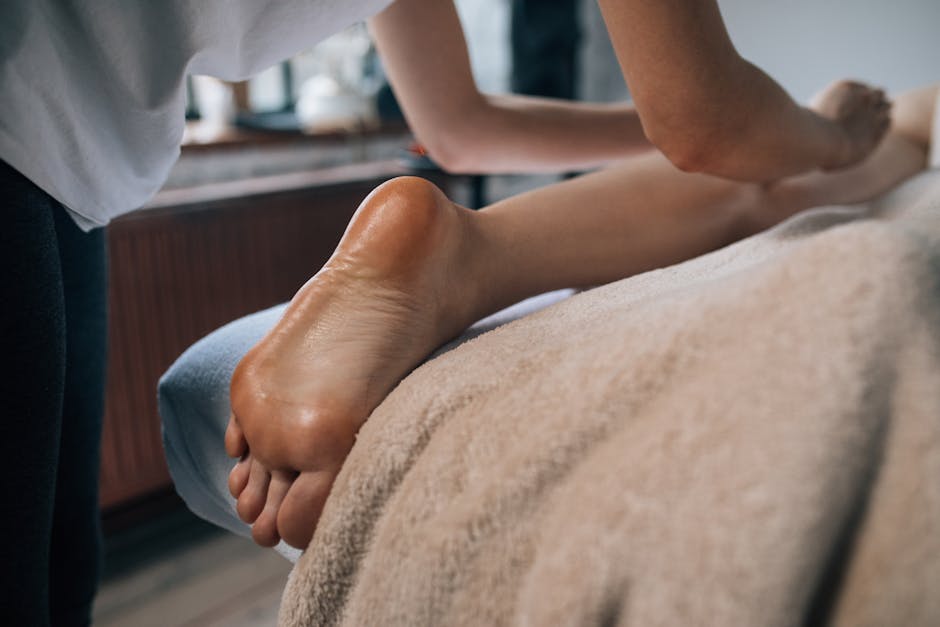
The Benefits of Manual Lymphatic Drainage for Lipedema Management
Key Takeaways Among other benefits, manual lymphatic drainage (MLD) has been shown to reduce pain, swelling, and discomfort in people with lipedema. Consistent MLD can enhance your skin’s health and mobility. This helps you better engage in day to day activities. Regular MLD can help with long-term pain management and potentially stop disease progression. Combining […]

Aquatic Therapy for Lipedema | Benefits and Exercises
Key Takeaways Aquatic therapy provides a low-impact, effective lipedema management solution by using the unique properties of water such as buoyancy, resistance, pressure, and temperature to facilitate movement and decrease pain. Regular aquatic therapy can reduce swelling, enhance circulation, increase strength and deliver both physical and emotional relief. By blending aerobic and resistance exercises in […]
Low-Impact Exercises for Lipedema: Effective Strategies for Relief
Key Takeaways Low-impact options like aquatic therapy, recumbent cycling, rebounding, and modified yoga can help manage lipedema by enhancing lymphatic flow. Starting with low impact activity and building up your exercise intensity creates a foundation for safe, sustainable progress without overstressing compromised limbs. Consistency and regular movement, even if it is light and embedded into […]