
Key Takeaways
-
Track symptoms using a combination of daily journaling, digital tools, photos, and measurements to uncover trends and inform care decisions.
-
Set priority metrics like pain, regional swelling, mobility, bruising, and fatigue. Update them frequently to track progression.
-
Juxtapose lifestyle factors such as diet, movement, stress, and sleep with symptom logs to identify symptom triggers and adjust your routine to gain better control over symptoms.
-
Track emotional, social, and body image changes to capture the broader impact of lipedema and guide comprehensive self-care and mental health support.
-
Bring curated notes, graphs, and photo timelines to your appointments to aid clear communication and shared decision making with providers.
-
Leverage this tracked information to review treatments, establish achievable goals, and advocate for care modifications supported by documented outcomes and trends.
Tracking symptoms lipedema involves noting variations in pain, swelling, and skin texture over time. Keeping consistent notes on your limb measurements, symptoms timing and triggers helps you spot patterns and guide care decisions.
Simple tools like a journal, photos, and tape measure make tracking consistent and clear. Sharing clear logs with health professionals enables more informed treatment decisions and recovery plans.
The meat of the post describes how to implement simple logs, including a sample log for daily use.
Understanding Lipedema
Lipedema is a chronic condition of subcutaneous fat that almost exclusively impacts women. It causes an unusual accumulation of fat cells in the legs, hips, and occasionally the arms. We don’t know what causes it, but hormones and genetics appear to be involved. This condition typically starts or intensifies during hormonal changes, like puberty, pregnancy, or menopause.
Early recognition directs management and aids in slowing disease progression.
Lipedema isn’t like your typical obesity or lymphedema in pattern and texture. With obesity, fat is more evenly distributed and generalized, and weight loss generally diminishes fat throughout the body. Lipedema presents with a unique, typically symmetrical lower body enlargement that is resistant to diet and exercise.
Lymphedema is fluid-related and usually affects the hands or feet, whereas lipedema typically spares them. Lipedema tissue is soft, nodular, and fragile to bruise. Lymphedema tissue can become hard and fibrotic.
Lipedema is progressive. Over time, the nodular fat can spread, skin may thicken, and mobility may suffer. Secondary issues can involve chronic pain, joint strain, and psychological stress resulting from changes in appearance and function.
Early interventions, such as compression, manual lymphatic care, specific exercise, and weight management for general health, can slow progression and relieve symptoms. Liposuction is available for advanced cases but works best when adjunct therapies are in place.
Physical Signs
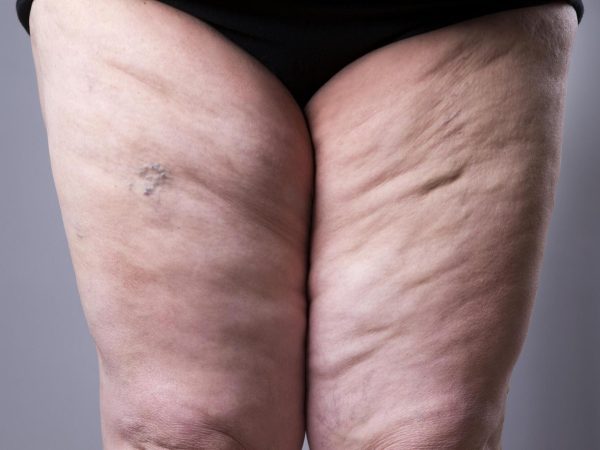
Symmetrical swelling of the legs, hips, and sometimes arms is a key indicator. The growth frequently starts at the hip or thigh and descends, resulting in an upper-lower body size imbalance. With many individuals, their waist and feet remain fairly consistent as their thighs and calves expand.
Beneath the skin, fat feels soft and lumpy instead of tight. Palpation exhibits nodules and an irregular texture. These deposits may be tender to the touch.
Everyone’s skin bruises very easily with even the lightest trauma. Minor trauma or even routine friction can cause giant, slow-healing bruises.
Hands and feet generally remain unaffected, which helps differentiate lipedema from other edematous limb conditions.
Sensory Experience
Patients frequently complain of a feeling of heaviness in the extremities. This sensation can vary with weather, exercise, or your period.
Aching pain that has no obvious origin can be exacerbated by standing or as the day’s end approaches. Pain may reduce willingness to move, which fuels a cycle of inactivity.
Touch can be more sensitive over affected areas. Clothing or light pressure may elicit pain. Others experience numb patches or temperature changes, feeling impacted skin as cooler or warmer.
Skin feel changes, from smooth to coarser over time, are typical and important to record.
Functional Impact
Long walks and standing for extended periods is strenuous. Shorter distances might be initially feasible, with continued decrease in length as tissue bulk expands.
Balance may be impacted as mass shifts around the hips and thighs. Falls, the requirement for assistance, or alterations in ambulatory patterns warrant recording.
Simple activities like getting dressed, walking up stairs, or tying your shoes can increasingly become more difficult. Notice what tasks get slow or need assistance.
Monitor mobility for weeks and months to identify consistent degradation or stair-step changes following events such as injury or hormonal changes.
Symptom Tracking Methods
Lipedema symptom tracking assists in mapping these physical changes and emotional flux over time, so clinicians and patients can observe patterns, customize care, and evaluate treatment responses. Regular tracking is important when it comes to pattern recognition. Using both methods provides a more complete log and the flexibility to adapt to your needs. Here is a numbered list of clear, actionable methods complemented by steps, examples, and tips.
1. Daily Journaling
Maintain a brief daily log that tracks pain, swelling, mood, fatigue, and any loss of strength or interference with activities. Write prompts such as pain level, where it hurts, swelling now versus morning, sleep quality, and emotional state like anxiety or low mood.
Make notes about what triggers it, such as exercise, heat, food, or clothing. Check them each week to identify trends, such as more swelling following long flights or intensified pain when on your period.
Whether you use a notebook or a notes app, stick to one to maintain consistency and ease of searching.
2. Digital Tools
Use symptom-tracking apps built for chronic conditions to log pain, swelling, bruising, and mood. Set reminders for daily entries and timers for medication or compression garment wear.
Sync across phone, tablet, and cloud so records are backed up and shareable. Export reports as PDF or CSV for clinic visits. A one-page chart of the last three months can show seasonal or treatment-related shifts.
Apps can often tag entries with activities like walking or swimming to evaluate the effects of gentle exercise combined with compression.
3. Photo Documentation
Snap photos at consistent intervals of the same limb locations to record visual change. Use the same light, same background, and same angles, with a scale—a ruler.
Save photos in folders labeled by date or on a password-protected app. Create a visual timeline to present clinicians with fat distribution changes across the five lipedema types and track bruising or skin texture changes after treatments.
Visual records supplement journaling and metric logs.
4. Measurement Logs
Measure limb circumference at marked points: ankle, calf, knee, mid-thigh, and hip. Employ the same tape measure and mark positions with a small skin-safe pen.
Take measurements at the same time, preferably in the morning before activity, and record values in a table or spreadsheet. Graph results to identify slow shifts and record associations with symptom intensity, compression wear, or workouts.
5. Pain Quantification
Rate pain each day on a 0 to 10 scale, record location, duration and probable triggers. Record what pain relief or management was effective and for how long it provided benefits.
Track fatigue, malaise, and mental health symptoms like depression; prevalence in lipedema is wide and clinically relevant. Aggregate monthly to display trends for clinicians who have to rely on history and exam to render a clinical diagnosis.
Key Metrics
Tracking lipedema needs a pared down set of metrics that capture both physical symptoms and daily function. About: Key Metrics Track your data to identify trends, inform treatment decisions, and set achievable goals. Focus on dependable, repeatable metrics and keep notes current to account for treatment, activity modification, or new symptoms.
Pain Levels
Record pain intensity at fixed times: morning, midday, evening, and after activity. Use a numeric scale from 0 to 10 and note the context—standing, post-walk, after compression, or lymphatic massage. Score before and after interventions. If your baseline thigh pain is a 6 or 7 and it drops to a 4 after manual therapy, you have something that can be measured.
Include qualitative notes: sharp, aching, burning, or tightness. Many patients report severe leg-related discomfort with mean scores of approximately 6.68 in affected areas and 6.34 in thighs. Some studies demonstrate feelings of tired legs scoring close to 7.8, so keeping track of trends counts for doctors and for care decisions.
Swelling
-
Lower legs (ankle to knee): Measure circumference at fixed distances from the floor or bony landmarks.
-
Thighs: Measure at mid-thigh and upper thigh using the same landmarks each time.
-
Hips and buttocks: Use a tape measure around the widest point while standing.
-
Hands and arms: Measure wrist and mid-forearm circumferences if involved.
-
Tissue texture: note firmness compared to soft swelling and pitting compared to non-pitting.
Monitor for swelling fluctuations post activity or after rest, and pinpoint any abrupt spikes. Note asymmetric limbs. While lipedema is typically symmetric, there may be uneven progression and worsening.
Monitor swelling in concert with pain, bruising, and mobility to discover connected trends.
Mobility
Check hip/knee/ankle range of motion monthly or weekly. Track walkable distance before onset of pain, standing time, and stair climbing ability. Use basic scales—can/can’t or 0–5 function score—and timed tests such as a 6-minute walk when possible.
Track response to therapy: improvements in gait or reduced need for rest breaks indicate functional gain. Mobility changes can reflect swelling and pain trends.
Bruising
Record each bruise, noting date, approximate size, and precise location. Observe things that could cause bruising, such as small knocks, certain therapies, or tight fitting clothes. Photograph under consistent lighting and save with dates to see the changes over time.
More frequent or larger bruises can indicate disease activity or treatment side effects.
Fatigue
Rate daily energy on a fixed 0–10 scale and record significant activities before fatigue. Monitor sleep hours and quality, naps, and caffeine consumption. Aggregate weekly trends to review with clinicians.
Fatigue can coexist with pain and mental health, and 75.9% of patients report comorbidities that may impact tiredness.
Connecting Lifestyle
Therefore, your daily habits dictate how lipedema manifests and fluctuates. By tracking these small, repeatable behaviors, you get very clear signals about what causes your stress and what relieves it. Start with basic logging of symptoms, then connect to diet, movement, stress, and sleep.
Integrate wearable data, notes, and photos where helpful. Pattern-based early intervention slows progression and lessens daily impact. Combining skin care and compression garment use into logs helps demonstrate what actually provides relief.
Diet
| DATE | MEALS | NOTED FOODS (potential triggers) | SYMPTOM CHANGE (0–10) |
|—|—:|—|—:| | 2025-05-01 | Breakfast: oats; Lunch: salad; Dinner: pasta | High sodium dinner | Swelling increased by 2 | | 2025-05-02 | Breakfast: smoothie; Lunch: chicken; Dinner: fish | No processed foods | Pain decreased by 1 | | 2025-05-03 | Breakfast: pastry; Lunch: sandwich; Dinner: takeout | Refined carbs, fried food | Swelling increased by 3 |
Identify foods that appear to provoke bloating or pain, like salt-laden dishes, white sugars, or deep-fried selections. Track weight with the same daily or weekly entry to identify if minor weight fluctuations correspond with symptom variation.
Build a food-symptom chart from the table to spot repeats. Show which items raise swelling and which reduce pain.
Movement
Log types and durations of activity each day: walking 30 minutes, water aerobics 45 minutes, resistance band session 20 minutes. Track the impact of each session on immediate swelling, afternoon-time pain and range of motion.
For some, sustained low-impact motion helps loosen joints and alleviates pain. For others, it leaves them with temporary swelling after exercise, which resolves by evening. Modify habits depending on results.
Scale back if pain flares or introduce light strength if mobility declines. Make goals, such as three 30-minute low-impact workouts a week, and monitor your progress. Write down when you wear compression garments while working out to find out if it eases your pain.
Stress
Rate daily stress on a 1 to 5 scale and list main stressors: work, family, medical appointments. Pinpoint stressors that coincide with symptom flare-ups, as stress can amplify the sensation of pain and inflammation.
Track techniques tested, such as breathing, short walks, and therapy sessions, and note their immediate and next-day impact. You can then correlate these stress trends with physical symptoms to display patterns.
Persistent high stress often correlates with worse symptom days, and addressing the emotional side supports self-esteem and overall care.
Sleep
Log in bed, out of bed, hour of sleep, plus any notes on interruptions or naps. Observe if bad sleep equals increased pain or swelling the following day.
Record use of sleep routines or aids, such as consistent bedtime, blackout curtains, or white noise, and observe which enhance sleep quality. Cross-reference sleep quality entries with symptom severity to identify connections.
When sleep improves, pain tends to decrease, and the ability to think clearly about coping mechanisms increases, which supports long-term management.
Beyond The Physical
Symptom tracking for lipedema needs to go beyond pain scores and measurements. Mood, friends, and self-esteem evolve and inform how individuals navigate the disease. The sections below describe what to track, why it matters, and how to use that information to inform care.
Emotional Well-being
-
Log mood changes and emotional responses to symptoms.
Write a daily or weekly mood entry using simple tags: calm, anxious, low, angry, relieved. Record what symptom or event triggered the mood. For instance, note whether exacerbated leg pain while standing caused irritability that evening.
-
Identify coping strategies that improve emotional health.
Track what helps: short walks, breathing breaks, support groups, therapy, sleep, or medication. Note how long relief lasted. This reveals what tools are effective over weeks and months.
-
Track periods of anxiety, depression, or frustration.
Indicate onset, duration, and severity on a 1 to 10 scale. Identify triggers like a first diagnosis, a flare, or social scrutiny. Add functional impacts such as missed work or canceled plans.
-
Summarize emotional trends to inform self-care practices.
Once a month, go back through entries to identify trends. For example, anxiety peaks before medical visits. Fatigue aligns with weeks of poor sleep. Leverage trends to schedule therapy, modify routines, or bring notes to clinicians.
Social Impact
-
Record shifts in social activity or engagement as a result of symptoms.
Record skipped events and why: pain, mobility limits, or clothing concerns. Add in miles walked and anticipated standing or transit problems to really quantify limits.
-
Record feelings of isolation or support from others.
Describe who provides assistance and who melts down. Remember particular positive incidents, such as a partner adjusting household chores and negative ones, such as dismissive remarks from a provider.
-
Track impact on relationships and social confidence.
Intimacy, in the sense of deep connection, is above the physical. Family positions can be very different in other families. Work friendships and work conflicts do have their place. Feeling less confident in a meeting after fighting to stand for an hour.
-
Identify social situations that trigger symptom awareness.
Document contexts that increase self-consciousness, like pools, gyms, or packed subways. Record coping steps utilized at the time, such as wearing compression or scheduling shorter visits.
Body Image
-
Reflect on self-perception and confidence related to appearance.
More than just the physical. When I put on something that fits just right and feels good, I’ll sometimes say to myself, ‘I look good today!’ If I put on something that’s a little too tight or unflattering, I’ll be like, ‘why the hell did I wear this?’ Mirrors are a huge part of how I see myself. Occasionally, I’ll sneak a mirror peek and say, ‘Dang, I dig THIS outfit!’
Then there are days when I peer into my mirror and sigh, ‘This isn’t what I wanted to behold.’ Photos can take you beyond the physical and into an emotional place. When I spot a photo in which I thought I looked great, I tend to exclaim, ‘What a beautiful memory!’ There are photos where I think, ‘man, I should have smiled more.’ Generally speaking, your clothes, mirrors, and photos make me feel.
-
Track changes in body image over time with entries in a journal.
Use weekly snapshots: one sentence summaries and a short observation about a positive or negative event that week.
-
Note positive affirmations or experiences that boost self-esteem.
As with the other lists, gather compliments or successful outfits or exercise milestones. Note how long the lift persisted and what aided its persistence.
-
To supplement the above activities, track triggers for negative body image and record coping responses.
Record events like unsupportive comments, online comparisons, or flare days, and list responses that reduced harm: grounding, reaching out, or reframing thoughts.
Medical Communication
A great doctor is key to lipedema management. Formulate easy to digest notes summarizing symptoms, measurements, and photo evidence prior to appointments. Since diagnosis can be delayed, as long as 17 years, and most clinicians are still unfamiliar with lipedema, a neat packet minimizes overlooked information and hastens clearer evaluation.
Good records make it easier to demonstrate how pain and function relate, since pain severity highly correlates to level of functioning in daily life and quality of life.
Preparing Data
Combine symptom logs, limb measurements in centimetres, pain ratings and dated photos into one summary document that starts with a one-page time line of the big changes. Add any weight and mobility notes along with dates of any previous diagnoses or treatments.
Incorporate easy charts and tables to depict weekly pain scores and circumference changes so trends are evident at a glance. Create a folder or online document that’s easy to bring to appointments. Name documents by date and kind.
Emphasize new findings, such as quickly increasing swelling, expanding bruising, or changes in pain from aching to sharp, so providers can hone in on what’s most recently different. Maintain the file by updating it the night before visits.
Create a short summary paragraph for each trend you notice. For example, “Left thigh circumference increased 2 cm over six weeks. Morning stiffness persists. Pain score rose from 3 to 6 out of 10.” This assists clinicians in utilizing your data during scarce appointment time.
Guiding Treatment
Tricked out data allows doctors to determine if a medication is effective. If compression therapy, manual lymphatic drainage, or exercise was initiated, display pre- and post-treatment metrics and mention subjective changes in daily activity. Records distinguish placebo, natural fluctuation, and true response.
Be specific when discussing outcomes: “After eight sessions of manual lymphatic drainage, my pain fell from 7 to 4 and my ability to climb stairs improved.” Request that practitioners employ standardized instruments, such as the SF-36, to track quality-of-life variations longitudinally.
Use the data to help them set realistic goals together. For example, reducing leg circumference by ‘x’ or decreasing average daily pain by 2 points over 3 months. Agree on objective checkpoints and when to change direction.
Self-Advocacy
Show that you’re serious with thorough records and back up your requests for the right care, like referrals or test work. Use your recorded data to describe how pain restricts work, activity, or sleep, as these immediate effects are the focus of quality-of-life measures.
State preferences clearly and back them with data: if conservative care failed, say so with dates and outcomes. Request specific next steps and timelines and demand that they document in your chart.
Data-driven patient advocacy can shorten diagnostic journeys and enhance care for lipedema patients.
Conclusion
Maintaining a consistent, unambiguous symptom diary is invaluable in identifying true changes. Monitor pain level, swelling, skin changes, and mobility in a straightforward chart or application. Record triggers such as heat, prolonged standing, and specific foods. Include mood, sleep, and daily steps to get the complete picture. Share quick notes and photos with your care team. Use numbers and brief notes so trends are clear.
For instance, indicate pain on a 1 to 10 scale every evening, snap a weekly picture of affected areas, and record days with long standing work. Little steps like these make clinic visits more productive and treatment plans more intelligent. Begin a simple weekly sheet today and update it quickly.
Frequently Asked Questions
What is lipedema and why should I track symptoms?
Lipedema is a chronic disorder that causes a painful, symmetrical accumulation of fat in the limbs. Tracking helps you detect trends, evaluate treatment impacts, and talk clearly with clinicians for more informed care decisions.
Which symptoms are most important to record daily?
Make note of pain level, swelling, skin changes, mobility limits, and bruising. This indicates disease activity and response to interventions such as compression or exercise.
What tools work best for tracking lipedema symptoms?
A daily journal, symptom tracker app, tape measure for girth, pain scale from 0 to 10, and photos taken consistently for visual comparison.
How often should I share tracking data with my healthcare provider?
Share summaries at each appointment. Send urgent changes, such as sudden swelling, increased pain, or signs of infection, immediately for faster evaluation and care adjustments.
Can lifestyle factors affect my lipedema symptoms?
Yes. Activity, diet, sleep, stress, and compression use all impact pain and swelling. Tracking these helps you identify habits that are helpful and can guide lifestyle adjustments.
How do I track progress after starting treatment?
Compare baseline metrics (pain, leg circumference, mobility, photos) weekly or monthly. Seek trends, not single-day variations, to gauge efficacy.
Is tracking useful for mental and emotional symptoms too?
For sure. Track mood, body image and fatigue. These affect quality of life and assist clinicians in offering holistic support or mental health referrals.