
Key Takeaways
-
Leaking tumescent fluid after lipedema lipo is a normal occurrence that depends on surgical technique, the patient’s body, and the body’s immune response to trauma.
-
Open drainage makes the excess fluid a little more manageable, decreases swelling, and can aid recovery time. It needs to be taken care of properly to avoid complications.
-
Regular use of absorbent pads and properly fitted compression garments can increase comfort, assist healing, and manage drainage.
-
Washing regularly and protecting your sheets are an important part of avoiding infection and creating a sanitary healing space.
-
It’s important to monitor the color, consistency, and odor of drainage fluid. Anything out of the ordinary should be reported to the surgical team as soon as possible.
-
Emotional support and open dialogue with your medical team can help reframe the recovery into something more manageable and positive for lipedema patients around the world.
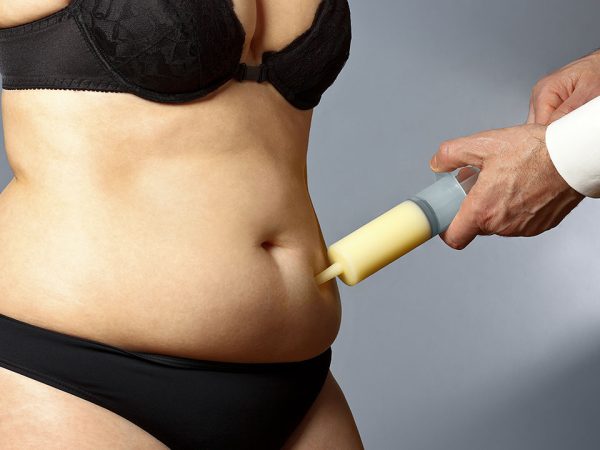
Tumescent fluid leaking after lipedema lipo is a known side effect that may occur during the initial days following surgery. Sometimes clear or blood-tinged fluid can leak from incision sites, particularly in the initial 24 to 48 hours.
While most leaks subside without special attention, maintaining cleanliness of the site reduces the infection risk. The body of the post explains why leaks occur, what to monitor, and safe methods to treat the site.
Why Leakage Occurs
Tumescent fluid leakage post lipedema liposuction is a combination of how the surgery is performed, how the body reacts, and patient factors. Knowing these causes assists patients and providers in managing expectations and recovery.
1. Tumescent Solution
Tumescent fluid is a solution of saline, lidocaine, and epinephrine. Surgeons inject it beneath the skin to numb it, shrink blood vessels, and loosen fat before extraction. Because so much, sometimes liters, weeps, it can force fluid out of tiny cuts after surgery.
If too much is used, this can leak into the interstitial space, particularly when the lymphatic system is already sluggish or compromised. Lipedema patients tend to have weaker lymphatic function, so the body doesn’t clear it as quickly, extending the drainage and increasing the leakage.
Swelling can intensify when surplus fluid accumulates, predisposing to seromas, which are fluid pockets that occasionally leak out via incisions or skin breaks.
2. Open Drainage
Open drainage is when doctors purposely leave incisions partially open to allow fluid to escape. This technique can avoid fluid build-up under the skin, reducing the risk of seroma formation and promoting faster healing.
It’s an easy way to have gravity work for the patient, but it does mean increased outward fluid leakage in those early post-op days. Although open drainage may reduce infection risk by rinsing blood and debris, it has other issues such as skin irritation or delayed wound healing if not properly handled.
Most surgeons appreciate open drainage because it helps avoid larger problems like fluid collections or painful edema.
3. Body’s Reaction
In response to trauma, the body induces inflammation after surgery. This reaction is normal and makes blood vessels leak fluid into the tissues, causing swelling and edema.
The healing mechanism depends on the lymph system to clear this fluid, but if the system is overloaded or damaged, more leakage occurs. Diseases such as lipedema already reduce lymphatic flow, so the chance of persistent leakage increases.
Eventually, the body can reabsorb seromas, but this can take weeks or months. One thing that can make a big difference is wearing compression and keeping the area clean.
4. Patient Factors
It asks because every patient carries unique risks. Leakage occurs more often in the elderly or infirm, those with lymphedema or slow healing wounds.
Individuals who do not wear compression garments or remove them too frequently are at higher risk for seromas. Post-care, including hygiene and motion, is crucial.
Worrying or stressing about symptoms can slow healing, which is why self-care is all the more essential.
5. Treatment Area
Absorbent pads trap fluid and eliminate skin wetness. Compression garments act to contain the swelling and force fluid into the lymph system for removal.
Do chair or bed coverings protect? Keeping the incision clean is important to prevent infection and aid in healing. These are easy steps that facilitate daily life while you recover.
Managing The Drainage
Tumescent fluid draining post-lipedema lipo is prevalent, particularly during the initial postoperative period. Managing this drainage well can reduce your infection risk, increase your comfort and make recovery go more smoothly. It helps to know what to expect and how to care for yourself and your surroundings.
Absorbent Pads
Absorbent pads are your first defense against tumescent fluid leaks. Seek out pads that are thick and soft and have a superior moisture barrier. Some patients opt for medical-grade pads, others for disposable incontinence pads or even folded towels for back-up.
Swap out pads as soon as they sense wetness to maintain dryness and reduce the chance of irritation. Most people have to change them every few hours for the first couple of days. Record the amount of drainage each pad collects, so you and your care team know if it has tapered off as expected.
Used pads have to be put into a sealed plastic bag before you toss it in the bin. This is crucial for keeping bacteria at bay and not smelling funky. Reston foam can be employed to provide additional absorption and discourage fluid from pooling under the skin. If the surgeon leaves incisions open, this can assist drainage flow out more easily.
Compression Garments
Compression is necessary to manage drainage and direct fluid out of the tissue. Wear them as instructed, typically full-time except for when you’re showering. Good fit matters: if the garment is too loose, it won’t help. If it is too tight, it may slow healing or cause discomfort.
Try on different sizes if necessary and look out for bunching or pinching. Most surgeons advise leaving garments on for 1 to 2 weeks, sometimes even longer if swelling is slow to subside. Shift the suit if you experience any pinching, numbness, or pain.
If in doubt, chat with your doctor. In some instances, we use compression with Reston foam in combination with open incisions and Silvadene cream to control wounds and drainage simultaneously.
Protecting Surfaces
Drainage can stain sheets, mattresses, and chairs. Put waterproof pads or covers on your bed and couch. Wipe these surfaces with gentle disinfectant once or twice a day, particularly if the leaks are heavy.
Swap out covers when they get moist or begin to odor. If you have others in your home, inform them of the significance of maintaining common areas clean and dry throughout this period. Put waterproof mattress protectors and towels for added comfort.
Personal Hygiene
Staying clean matters when wrangling leaks. Organize light cleansing around incisions twice daily at minimum. Avoid baths until all wounds are completely sealed. Soaking increases the chance of infection.
Employ fragrance-free, non-irritating soap and blot—don’t scrub—the region dry. Adhere to your surgeon’s directions on wound care. You could be instructed to soak off residual Reston foam, wash out wounds with hydrogen peroxide, and apply Silvadene cream to assist healing.
About managing the drainage, always pat dry prior to reapplying pads or garments.
Drainage Timeline and Warning Signs
The majority of the drainage is heaviest during the first 48 to 72 hours post-surgery. By the conclusion of week 1, leaks should decelerate and pads may not require changing as frequently.
Swelling and some fluid accumulation can persist for weeks or even months, so patience is required. Drains typically come out in a few days to a week. Others feel light-headed when standing and this is from fluid shifts.
Take your time getting up and drink fluids as recommended. Diuretics such as furosemide can be employed if edema becomes severe. Watch for signs of infection: pus, warmth, redness, fever, or foul-smelling fluid. If these appear, contact your physician immediately.
The Drainage Timeline
Tumescent fluid drippings after lipedema lipo are inevitable. Drainage within the first 72 hours is key for safe recovery and sidestepping complications. Fluid output can vary as we all recover in our own ways and at our own paces. Careful tracking and open communication with your care team facilitate improved results since shifts in drainage amount, color or odor can indicate issues requiring prompt intervention.
First 72 Hours
Drainage timeline Keep close tabs on the amount of drainage. In the majority of cases, day one is the highest in fluid and output should decline with each successive day. The discharge can start off clear or blood-tinged but should not take on an odor. Lymphatic capillaries can begin to repair themselves within weeks, but it is in these early days that leaking is most apparent.
Some swelling and fluid accumulation can occur, and swelling can spread to hands or feet—the type that won’t let you do something as elementary as grip a friend’s hand. It is not uncommon to see marked pitting edema on day 3. Patients are generally encouraged to ambulate on the first post-operative day. This light stroll can assist the fluid to drain and prevent blood clots.
Even if swelling persists, it generally starts to dissipate after a few days. Symptoms such as dizziness or lightheadedness can continue, particularly upon standing. It’s a good idea to track any changes in drainage like changes in color, thickness, or odor. These notes assist care teams in identifying trends.
Adhere to all aftercare instructions, which may involve monitoring wounds, dressing changes, and cleanliness. If the fluid doesn’t decrease or new symptoms arise, a follow up visit may be necessary to monitor healing and prevent complications.
The First Week
There are a number of warning signs that should cause alarm. If the drainage doesn’t decrease or there is a sudden increase, it could be indicative of continued bleeding or an infection. Keep an eye out for symptoms such as intense pain, fever, or disgusting fluid. For example, low-grade fever and denuded bullae could make an appearance around day four.
In infrequent occurrences, a fever as high as 39°C (102°F) can manifest by week’s end. Stay in close contact with the surgical team, particularly if you observe redness, heat, or pus in the drainage fluid. These can indicate infection or slow healing. If swelling is persisting or worsening or you feel very unwell, get medical help promptly.
These regular check-ins allow the team to identify these problems early and intervene.
When To Worry
Open drainage is occasionally employed following lipedema lipo, where fluid is allowed to escape freely. This sometimes expedites healing by controlling swelling and minimizing the risk of fluid accumulation. Other patients discover this direct approach gets them back to normal quicker, with less pain and stiffness down the road.
Still others come for closed suction for comfort. Open drainage can sometimes lead to more noticeable leaking in those initial days yet less swelling down the road. I have had patients who leave their wounds open for drainage tell me they were very happy with the results of less permanent swelling and better skin healing.
In the drainage timeline, open drainage potentially encourages lymphatic vessels to regenerate and decreases the chances of post-liposuction lymphedema, which typically resolves on its own within two to six months.
Open Drainage Philosophy
Open drainage, a technique where incisions are left unsutured after lipedema liposuction, allows tumescent fluid and blood-tinged anesthetic to flow unimpeded. This drain-first philosophy, typically combined with either tight compression stockings or superabsorbent sponge, aims to reduce edema, expedite healing, and increase patient comfort.
Adit, tiny intentional openings, are occasionally created in the skin to increase drainage compared to normal incisions. Open drainage, good compression, and close observation of the drainage fluid are the centerpieces of this postoperative philosophy.
Reduced Swelling
Open drainage assists in maintaining postoperative swelling down by draining the excess tumescent fluid instead of trapping it under the skin. This fluid, if not drained, can accumulate and elevate interstitial hydrostatic pressure, which causes more swelling.
Open drainage reduces the risk of third-spacing, where fluid shifts into the tissue and extends swelling. When open drainage is combined with bimodal compression, which means two levels of compression are applied in sequence, fluid exits the body even faster.
Patients frequently tell us that swelling plummets during the first 24 to 72 hours following surgery. Aside from making your life more comfortable, less swelling can translate to fewer complications, such as seromas or hematomas, which are collections of fluid or blood that sometimes form under the skin.
Swelling reduction can further reduce recovery time to normal day-to-day activities. With less tension beneath the skin, wound healing is more reliable and less susceptible to complications. Open drainage tackles the primary culprits of swelling post-lipedema lipo.

Less Bruising
Open drainage is believed to minimize bruising, as it allows blood-tinged anesthetic and tumescent fluid to drain externally rather than pooling within the tissues. With open drainage of fluid and a little bit of blood, there is less pigment left to form those dark, deep, long-lasting bruises.
With less bruising, patients typically experience less pain and less stiffness during the days following surgery. Others report that their skin is less tight and sore, which makes them more comfortable.
Less bruising can increase satisfaction with the procedure. Patients are often more comfortable to bare their legs or other treated areas earlier, enhancing the cosmetic result.
Faster Recovery
When fluid drains rapidly from the body, tissues repair more rapidly. Open drainage, particularly when paired with high and then moderate compression, keeps swelling and bruising low. Both of these can impede healing if unchecked.
I have numerous patients tell me that they walk, shower, and return to light activity earlier than anticipated. Others report fewer complications, which may accelerate healing.
Less mess and a more graceful healing process can translate into less time off work or social engagements, a powerful advantage for most patients.
Drainage Fluid Monitoring
Things to look for in drainage fluid are color, consistency, and odor. At first, it’s typically red or pink from blood. Then it clears or is straw-colored as healing progresses.
Any abrupt switch to cloudy, foul-smelling, or thick drainage may indicate infection or another concern. Following these fluctuations allows physicians to detect early problems and modify treatment if necessary.
Record all discoveries in medical charts to keep care teams informed and direct future choices.
Fluid Characteristics
Tumescent fluid is a diluted solution of lidocaine to numb the tissue and constrict capillaries, preventing blood loss. Utilized since the 1980s and pioneered by Dr. Jeffrey Klein, it’s commonly employed during liposuction to facilitate both the ease and safety of fat extraction. Following lipedema lipo, some fluid may leak from incision sites as tissues soak it up over 24 to 36 hours.
Keeping an eye on the properties of this fluid is critical to identifying complications and making it home safe and sound.
Color
Drainage fluid color tells you a lot about healing. For the most part, the fluid will appear clear or have a pale yellow tint. This makes sense because the tumescent fluid is diluted and not very bloody. Clear or light yellow indicates normal healing.
Pinkish or red-tinged fluid may show up early. This is typically from tiny amounts of blood seeping into the fluid, which is normal in the first day or two post-surgery. Brown, green, or cloudy fluid can be warning signs of infection, tissue breakdown, or other issues.
If the fluid darkens, has streaks of pus, or suddenly changes in color, it’s something you should not overlook. These changes in fluid hue should be communicated to the surgical team so they can evaluate and intervene if necessary.
Consistency
Tumescent fluid is intentionally thin and watery so that it easily drains from the body. Once fluid thickens or gets sticky or clotty, this may indicate an issue. Thin fluid is typically benign and drains along with normal healing.
Thick or gel-like fluid can signify that blood clots or tissue debris has mixed in, which can prolong healing or increase the risk of infection. Any consistency changes should be documented as well so patients are able to share information with their doctor.
If the fluid changes from watery to thick or clots form, this may indicate a complication is developing. If you report these changes early, it can help the care team troubleshoot problems before they escalate.
Odor
The odor of drainage fluid can provide additional indications regarding healing. There should be little to no odor in normal tumescent fluid. A strong, foul or rotten smell can indicate infection and needs prompt medical care.
Odor is usually one of the earliest indications of an issue. If the fluid begins to smell, patients should immediately reach out to their care team. Normal healing doesn’t produce a stinky smell.
Monitor for changes in smell because it tends to correspond with other indicators such as fever or redness around the incision. Being open with your surgical team helps you react to these changes and keeps recovery on course.
Emotional and Practical Aspects
Coping with fluid leakage post-lipedema lipo can be taxing. It can interrupt your day, it can be painful, and it can complicate wound care. Many folks have trouble with dressings or fear leaking through clothing.
Viewing recovery as a progression, not just a relapse, can assist. The encouragement of friends, family, or even online support groups can help. Both practical assistance and emotional attention are important for healing.
The Patient’s Perspective
We all know fluid leaking is common after lipedema lipo, but how it impacts your day-to-day living is less talked about. There are emotional and pragmatic challenges for patients while they’re healing, particularly when they discover that the swelling, bruising, or numbness could persist for weeks or even months. The road to improvement is slow and full effects can take a year. This is where the patient’s perspective comes into play, tackling these lived experiences and practical wisdom.
Emotional Impact
Seeing fluid ooze from cuts can trigger anxiety or even embarrassment, particularly when bodily transformations are already hard to swallow. Others are anxious about their rate of healing or frustrated that there is still pain. It is not uncommon for emotional distress to increase when swelling does not subside as quickly as anticipated or when bruising and numbness persist beyond the first few days.
Patients can feel alone, particularly if others do not comprehend how these visible manifestations affect them or cause pain. These patients recognize that looking for support is helpful. Opening your feelings to friends, family, or a support group can reduce the weight. Other patients get solace from message boards where they read similar stories from others.
Open discussions with a care team assist, since knowing what is typical and when to panic can alleviate concern. Mental health influences your ability to deal, so talking about feelings is not just acceptable. It frequently results in a better recovery.
Practical Challenges
Handling drainage is messy and exhausting. A lot of patients have to change dressings multiple times a day, maintain clean bedding and refrain from staining clothes. For others, it’s tough to wear compression garments. These are warm and challenging to wear, but they manage swelling.
Returning to work or social life complicates matters further. Folks might fear leaks in public or feel it’s difficult to explain to others. Planning ahead can make these problems easier. Lining beds with puppy pads, wearing loose clothes, and keeping spare supplies nearby is helpful.
From the patient perspective, some of my patients find it helpful to practice using dressings and garments before surgery. Education is important because those who know what to expect generally fare better. Speaking out about needs, be it with a doctor or at home, means issues get resolved sooner and assistance becomes more accessible.
Reframing The Process
Healing isn’t merely about the wounded closing up. Others take this opportunity to reimagine objectives or return to activities they put on hold for years — swimming, hiking — as swelling subsides and the pain dies away. It’s difficult to stay positive, but focusing on what is better — walking with less pain or reduction of limb size — keeps things in perspective.
When the shadows loom, other patients tell themselves that even relapse is advancement, not defeat. From the patient’s point of view, in the grand scheme of things, the vast majority end up with improved mobility and decreased pain. Nearly three-fourths of patients say they get around better after recovery.
Recovery may be gradual, but small victories abound, like being able to walk around with minimal pain within days or returning to light activity.
Conclusion
Tumescent fluid leaks following lipedema lipo appear as clear or blood-tinged wet spots on dressings. They typically subside after a few days. Open drainage facilitates healing and reduces swelling for many. A few experience greater leaks after activity or showering, but the skin heals itself. Most people handle drainage with soft dressings and tender loving care. Leaks look scary but almost never mean a big problem. To be on the safe side, look out for heat, foul odor, or thick pus. Contact your care team if leaks feel unusual or last too long. To share your story and learn from others, see support groups or trusted health sites.
Frequently Asked Questions
What causes tumescent fluid to leak after lipedema liposuction?
Tumescent fluid leak occurs because of the small incisions made during liposuction. This is a natural healing process and it aids in the drainage of fluid overload.
How long does the drainage usually last after lipedema lipo?
This drainage usually persists for 24 to 48 hours post operatively. It subsides as your body heals and incisions close.
Is it safe for tumescent fluid to leak from the incision sites?
Yes, it’s pretty safe. Leakage is anticipated and aids in limiting swelling and bruising. Of course, always follow your surgeon’s care instructions.
What should I do to manage tumescent fluid drainage at home?
Use the absorbent pads and compression garments recommended by your physician. Change pads and be very clean to prevent infection.
What does normal tumescent fluid look like after surgery?
Typical tumescent fluid is clear, pale yellow, or slightly pink. Small amounts of blood mixed with the fluid are typical in the initial hours post-surgery.
When should I contact my doctor about tumescent fluid leakage?
Reach out to your doctor if the fluid is dark red, has pus or a foul smell, or you experience increased pain, swelling, or fever.
Does open drainage after lipedema lipo speed up recovery?
Open drainage can reduce swelling and bruising and assist recovery for some patients. Your surgeon will recommend if this method is appropriate for you.