
Key Takeaways
-
Tumescent liposuction employs a saline-based solution and local anesthesia to loosen and delicately extract lipedema fat deposits with minimal pain and trauma.
-
State of the art methods like lymphatic sparing preserve lymphatic function, minimize risk of post operative complications, and promote optimal recovery.
-
Meticulous patient selection, including a comprehensive medical work-up and realistic expectations, is key to optimizing the outcomes of the procedure.
-
This procedure commonly includes fluid injection, mild fat disruption, and extraction from small cuts. It is usually done in an outpatient environment for patient comfort.
-
Recovery involves specific aftercare such as compression garments, gradual resumption of activity and follow-up visits for monitoring.
-
Long-term success hinges on living a healthy lifestyle, staying informed about lipedema, and continuing medical care to maintain results and quality of life.
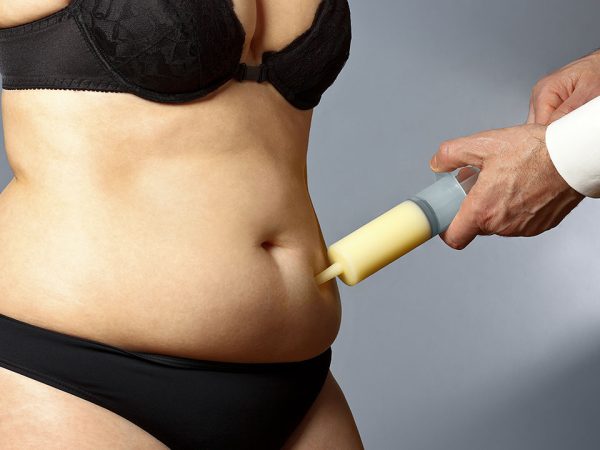
Tumescent liposuction for lipedema exploits a blend of saline, lidocaine, and epinephrine to swell and anesthetize the adipose tissue, facilitating its extraction. This technique helps reduce pain and blood loss while protecting healthy tissue.
Many lipedema patients opt for this to make the swelling and pain more manageable. To understand what occurs during tumescent liposuction and what results to anticipate, continue reading our main sections below.
The Mechanism
Tumescent liposuction is a specialized surgical technique to extract abnormal fat deposits in lipedema. The magic of the technique is in its use of a tumescent fluid and very meticulous surgical technique to specifically attack fat and spare lymphatic vessels. What makes it different from traditional liposuction?
1. Fluid Infusion
Tumescent liposuction begins with the injection of a considerable amount of a diluted anesthetic mixture into the subcutaneous tissues of the regions to be treated. This mix consists of saline, lidocaine, sodium bicarbonate, and adrenaline. The saline base helps to swell tissues, lidocaine numbs, sodium bicarbonate reduces stinging, and adrenaline shrinks blood vessels to spare bleeding.
Pressurized infusion guarantees the tumescent fluid will seep uniformly throughout the tissue, permeating deep and superficial fat. The pressure assists in detaching fat cells so they’re easier and less traumatic to remove. It decreases blood loss and bruising, so it’s vital for lipedema patients who bruise easily.
The fluid’s ingredients act together to break up fat cells from connective tissue. This effect, along with the numbing and vessel-constricting properties, allows the area to be treated with less pain and a reduced risk of bleeding during and after the procedure.
2. Fat Separation
A crucial step in tumescent liposuction is isolating fat from surrounding structures. A blunt-tipped cannula is softly pushed through the fatty layer, freeing fat cells from connective fibrous bands without damaging nerves or vessels.
Some clinics utilize ultrasound-assisted devices to ‘loosen’ fat for extra separation, particularly in areas where fat is dense or fibrous like lipedema. Ultrasound waves assist in liquefying fat even more, making removal easier. A uniform fat layer is essential. It fights clumps and dimples, leading to a more sleek outline after surgery.
Microcannular techniques, incorporating cannulas smaller than standard, enable more exacting fat extraction. They irritate surrounding tissues less and offer more precision control, both of which assist in delicate regions and patients who are more vulnerable to lymphatic damage.
3. Gentle Removal
Fat is extracted by a mild suction. The cannula uses low pressure, which keeps trauma to surrounding tissues low. This is important for skin health and repair.
Small incisions, sometimes just a couple of millimeters long, restrict scarring and accelerate recovery. We maintain the skin’s surface as much as possible to help prevent browning or dimpling.
Light pulling works wonders on your silhouette. It reduces the risk of issues such as skin sagging and helps results appear more natural.
4. Lymphatic Sparing
Lymphatic sparing is just what it sounds like — sparing the lymphatics during liposuction. With lipedema, the larger lymph vessels are typically fine, so it is vital to protect them. Using imaging, such as lymphoscintigraphy, surgeons can map lymphatic flow prior to surgery and test vessels for function.
Thoughtful practice spares the lymphatic system. Specifically, tumescent liposuction has not been found to worsen lymphatic function in lipedema patients. In fact, it shows slight post-surgery improvements, particularly in inguinal uptake.
Maintaining lymphatic flow helps recovery and minimizes edema or other issues.
Patient Candidacy
Patient selection for tumescent liposuction is critical. Not every lipedema patient will respond similarly or simultaneously. Our aim is to identify those individuals who are most likely to experience genuine, sustainable transformation with minimal danger. This begins with a comprehensive consultation.
Doctors review a person’s health, past and current, and see if they’ve pursued alternative methods to control their symptoms, such as improving their diet, exercising more, or wearing compression. For certain patients, liposuction might be a good next step because diet and exercise will not eliminate the uneven fat associated with lipedema.
A thorough history is crucial. Doctors want to know about previous surgeries, medications, allergies, and chronic health conditions. It assists in identifying hazards and arranging secure treatment. For instance, patients with bleeding disorders or those on anticoagulants might require specific recommendations, as these can increase the risk of complications post-surgery.
All but a few of the clinics request patients to discontinue blood thinners and supplements pre-surgery. Physicians screen for evidence of impaired wound healing, cardiac or pulmonary issues, or other complications that may hinder recovery. Maintaining a stable weight and staying hydrated in the weeks leading up to surgery will help your body heal.
Lipidem stage counts. Early stages can have less swelling, but later stages can have hard, thick skin and larger fat deposits. Patients in the mid stages tend to do well with tumescent liposuction. If the illness is very progressed, with plenty of callus or deep creases, additional measures or combination therapies will be required.
Others have “two-body syndrome,” where their top and bottom halves are quite disproportionate. This is typical of lipedema and can make everyday life difficult, particularly when shopping for clothing.
A large aspect of selecting the right patient is ensuring that their expectations align with what surgery can accomplish. Doctors discuss with patients to find out what they’d like to change, what they expect post-healing and if they’re fully aware of surgery risks and care.
It’s crucial that patients are prepared, both physically and emotionally. Some patients might wish for a complete cure. Liposuction for lipedema is designed to relieve pain, reduce swelling, and address shape issues, not cure every symptom. Very few doctors in the US have this sort of deep training, so finding a skilled doctor is key.
The Procedure
Liposuction tumescent is a precise and selective process for lipedema patients. The primary objective is to eliminate fat that resists diet or exercise. The procedure is typically performed in a cold, sterile outpatient clinic. This reduces the risk of infection and facilitates healing. A trained surgical team collaborates to maintain safety as their number one priority.
The entire process typically requires 2 to 3 hours, from anesthesia to final dressing. The vast majority are able to go home the same day.
Preparation
-
Comprehensive checklist for patients:
-
Medical clearance and allergy screening.
-
Blood work and preoperative imaging such as lymphoscintigraphy to map lymph flow.
-
Fast as recommended by the clinic.
-
Good hydration and a light meal the day before.
-
Have a designated driver take you home.
-
It’s crucial to discontinue drugs such as aspirin, ibuprofen, and various herbal supplements prior to surgery, as their presence can act as blood thinners and increase the chance of bleeding. Your doctor will provide explicit instructions on what to avoid.
Imaging, such as lymphoscintigraphy, assists the team in identifying areas at risk and mapping out the safest approach. Being well-nourished and hydrated the week prior to surgery supports healing. This step is frequently omitted, but it may produce superior results.

Anesthesia
Tumescent liposuction uses local, not general, anesthesia to keep the patient conscious but comfortable. The tumescent solution, typically a combination of saline, lidocaine, and epinephrine, is injected into the fat and numbs the area while shrinking blood vessels. This reduces bleeding and bruising.
Lidocaine is crucial for pain management. Recovery is much faster than with general anesthesia, with less nausea and less risk of breathing problems. During anesthesia, the patient’s heart rate and oxygen levels are monitored by the surgical team to maintain safety at all times.
Incisions
The surgeon then makes a small handful of incisions, measuring approximately 3 to 5 millimeters each, in conveniently concealable locations. Such sites are selected to keep scarring down and to help the cannula reach all fat layers.
Because the cuts are small, they heal quickly and are less prone to infection. In time, the majority of scars fade and become difficult to discern. Good wound care and a compression garment make incisions close up in about a week.
Suction
-
Cannulas are inserted through the small incisions.
-
The tumescent fluid is let seep through the fat, which takes thirty minutes.
-
Suction begins in the deep fat layers and moves superficially.
-
Fat is extracted gradually with firm, continuous back-and-forth strokes.
Powered devices can make fat extraction more fluid and reduce the time required. Meticulous suction aids in protecting nerves and vessels.
In addition to extracting fat, the sluggish, back-and-forth motion assists in disintegrating inflexible fat cells. Most patients require approximately four to five liters of fat removal. If additional fat is necessary or multiple areas are treated, the physician may recommend a follow-up session in two weeks.
The post-treatment protocol is simple but essential. Wearing a compression garment day and night for the first week, then just at night for another week aids healing and helps shape the treated area.
Recovery Path
Recovery from tumescent liposuction for lipedema is a gradual process influenced by numerous variables, such as patient health, surgical scope, and post-operative care compliance. Most patients can expect the following:
-
Noticeable swelling and bruising for several days to weeks.
-
Temporary numbness or tingling, sometimes in the inner thighs, lasts for approximately a month.
-
An uncoordinated or waddle waddle for a couple of weeks as tissues settle.
-
Compression garments should be worn for six to eight weeks, both day and night.
-
Initial rest for two weeks, then gradual re-entry to easy movement.
-
Late final results, contour changes take up to a year.
Being diligent about the recommended postoperative care is crucial for a seamless recovery. These tips minimize issues and promote healing. Keep all follow-up appointments. This matters because your doctors are checking on your progress, managing any complications, and adjusting your care.
Recovery times are different depending on your age, health, and body’s response. Some experience rapid development, while others require months to achieve complete effects.
Compression
Compression garments are a staple along the recovery path. They assist with managing swelling by gently compressing affected areas, thereby reducing healing time and pain. As they support tissues, these garments reduce swelling and assist the skin in settling into new contours.
Most patients wear compression around the clock for the first 6 to 8 weeks post-surgery, taking them off only to wash. This is the important phase that, if you skip or short-cut it, you can slow healing or impact results. Being in compression can make you feel secure, allowing you to move and go about your days in early recovery more easily.
Mobility
Being active early after surgery is crucial. Early, gentle movement increases circulation, reduces blood clot risk, and prevents stiffness. Light activity, like short walks or gentle stretches, is usually suggested following this rest period. These activities assist in circulation and reduce swelling.
During the recovery process, patients are advised to gradually resume activity. Strenuous exercise should be postponed until approved by a physician. Physical therapy can be beneficial for some, particularly if you are stiff or have difficulty moving.
These therapies can involve guided stretches, manual lymphatic drainage, or massage to loosen fibrotic tissue.
Aftercare
Key aftercare practices include:
-
Keeping surgical sites clean and dry
-
Wearing compression as advised
-
Attending all follow-up visits
-
Avoiding strenuous activities until cleared
-
Eating balanced meals for proper healing
Controlling your discomfort with the right meds can ease those initial days. Pain typically subsides after the first week. Keeping an eye out for infection, such as redness, additional swelling, or discharge, allows issues to be caught early.
Nutrition plays a big role. Protein and vitamin-rich foods repair tissues and bolster the immune system.
Potential Risks
Tumescent liposuction is commonly perceived as a safe choice for addressing lipedema. However, it is not without risk. As with any surgery, there are both standard and serious complications to consider as a prospective patient. This ensures that the fat is removed while trying to preserve the lymphatic vessels, but there is still the potential risk of damaging them.
For lipedema patients, lymphatic function is already compromised, and any additional injury has the potential to result in further complications such as lymphoedema or persistent swelling.
The table below shows the most common risks associated with tumescent liposuction and their likelihood:
|
Risk |
Chance of Occurrence |
|---|---|
|
Bruising |
Very common (over 50%) |
|
Swelling |
Very common (over 50%) |
|
Temporary numbness |
Common (20-40%) |
|
Infection |
Uncommon (1-3%) |
|
Blood clots |
Rare (less than 1%) |
|
Lymphoedema |
Rare but possible |
Bruising and swelling are almost universally observed post-surgery and may persist for weeks. These may be anticipated components of recuperation. In a few cases, inflammation can persist for months.
For lipedema patients, where lymphatic drainage is already sluggish, swelling can linger even longer or become chronic. Bruising is frequent because small tubes (cannulas) are used under the skin and it can be extensive. Although such effects tend to diminish with time, they can be exacerbated if lymphatic vessels are compromised.
More dire risks include blood clots and infections. Blood clots are uncommon but can be deadly if they migrate to the lungs. The risk of infection is minimal but still present, particularly if you are a slow-to-recover type or your wounds are not healing well.
Lymphatic vessel damage can cause lymphoedema, a permanent, intractable swelling. For some, a test called lymphoscintigraphy is used to check lymphatic function, as some have impaired drainage preoperatively. This matters because those with disrupted lymphatic flow are more susceptible to adverse events.
Long recovery is another overlooked risk. It really can take months to heal and to see the final results. This deadline can induce strain, particularly if one has professional or domestic obligations.
The recovery can introduce psychosocial issues, like anxiety or depression, if progress is slow or if complications emerge. It’s key to note that, contrary to other fat removal surgeries, weight loss is not the primary aim for lipedema patients.
Actually, it can be ineffective and even dangerous to lose weight in these areas without consideration for the unique lipedema metabolism.
Informed consent is imperative. Patients need to be aware of these risks and consider them against the anticipated benefits. A frank discussion with a good doctor, along with appropriate testing before and after treatment, helps keep risks low and expectations realistic.
A Holistic View
A holistic view means seeing a person’s health in its entirety, rather than just addressing the physical signs. This is particularly true for lipedema, which is physical, mental, and emotional in nature. Tumescent liposuction can control the physical manifestations, but the genuine quality of life enhancement comes from addressing the individual as a complete entity.
Research reveals patients thrive when you integrate medical, surgical, and supportive care. This holistic approach acknowledges the ways in which pain, mobility, self-image, and daily function are interconnected.
Psychological Impact
Tumescent liposuction can be hard on your mental health. A lot of lipedema patients feel at their wit’s end due to swelling and pain, falling into patterns of low self-esteem or anxiety. When body shape shifts back after surgery, it can deliver that much-needed boost to confidence.
It might relax you at parties and in life. That said, it’s important to keep your expectations in check. Other patients have body image issues prior to surgery. These can persist beyond the physical symptoms clearing up.
Good things rest on this being dealt with upfront. Mental health support, including therapy, can be a game changer. Support groups assist by providing a secure environment to express emotions and gain insights from peers. Sharing stories prevents people from feeling isolated and alone, which accelerates healing.
Lifestyle Integration
Sustainable results post-liposuction rely on healthy habits. Surgery can eliminate fat deposits, but it doesn’t heal lipedema. Eating well and being active maintain the results and can slow the disease.
Others discover that collaborating with a nutritionist or an exercise guru simplifies wellness modifications. Educate yourself on lipedema as well. Once people comprehend their condition, they can identify early shifts and communicate openly with their care team.
Continuous education gives patients control over their health. This means selecting options that work for their needs and lifestyles, not adhering to a rigid schedule. A forward-thinking attitude, such as symptom tracking and educating yourself, can make people feel empowered.
Long-Term Outlook
For the majority of patients, tumescent liposuction has permanent results when combined with a healthy lifestyle. Swelling, pain, and mobility can all get better, keeping people active. Healthy weight and improved body function are typical objectives.
It requires consistent monitoring with doctors to observe changes. These visits catch issues early. People who maintain good habits, such as walking or swimming, tend to see the most success.
A holistic approach that includes surgery, therapy, and lifestyle offers the best opportunity for long term success.
Conclusion
Tumescent liposuction provides a tangible option for a lot of lipedema patients to relieve their pain and inflammation. The technique employs a saline solution to assist in fragmenting fat, which accelerates healing and reduces bleeding. Most people experience reduced swelling and improved mobility following the procedure. A few patients feel sore or experience bruising, but they dissipate with TLC and rest. On follow-up visits, doctors track healing and check progress. Everyone’s journey looks a little different, so candid conversations with a care team count. To learn more or see if this matches your needs, contact a lipedema-savvy doctor. Ask your questions and talk through your options to make the right choice.
Frequently Asked Questions
What is tumescent liposuction for lipedema?
Tumescent liposuction is a minimally invasive surgery to remove lipedemic fat. It employs a specialized fluid to numb the area and minimize bleeding, allowing fat to be removed more safely and accurately.
Who is a good candidate for tumescent liposuction?
Best candidates are individuals with lipedema who have failed conservative measures such as diet or compression therapy. A medical examination is required to determine eligibility.
How does tumescent liposuction work for lipedema?
The procedure injects a saline anesthetic solution into the area. This assists in dislodging fat cells that are gently suctioned out. It targets diseased fat without damaging surrounding tissue.
What is the recovery time for tumescent liposuction?
Recovery is typically one to two weeks. Most individuals can resume light activities within a few days, but they should avoid more strenuous exercise for a minimum of 2 weeks.
Are there risks with tumescent liposuction for lipedema?
Yes. Risks are infection, swelling, bruising, and very rare complications such as fluid imbalance. Selecting a skilled surgeon can reduce the potential hazards.
Will lipedema return after tumescent liposuction?
Tumescent liposuction extracts fat cells permanently from treated areas. Lipedema is progressive in untreated areas, so continued medical follow-up is key.
How does tumescent liposuction improve quality of life for lipedema patients?
Most people feel less pain, move more easily and look better. This frequently results in improved general well-being and day-to-day comfort.