Key Takeaways
-
Weather can impact lipedema symptoms by influencing swelling, pain, and mobility. Keep an eye on local forecasts and schedule your days accordingly to minimize flare ups.
-
Both heat and humidity can exacerbate fluid retention and discomfort, so remain hydrated, dress in light, breathable fabrics, and implement cooling techniques to alleviate swelling.
-
Cold and dry weather causes stiffness and diminished circulation, so layer your clothing, moisturize often, and incorporate light stretching to stay loose.
-
Abrupt barometric shifts and changing seasons sometimes activate pain or heaviness. Monitor symptoms in conjunction with weather and deploy light exercise and relaxation approaches when shifts happen.
-
Customize your compression, nutrition, skin care, and exercise routine according to the season and climate. For example, use lighter compression and more hydration in the heat, and richer skin protection and healthy fats in the cold.
-
Having a weather-specific self-care checklist that encompasses clothing, compression tweaks, hydration goals, movement alternatives, and mental-health supports can make symptom management practical and consistent.
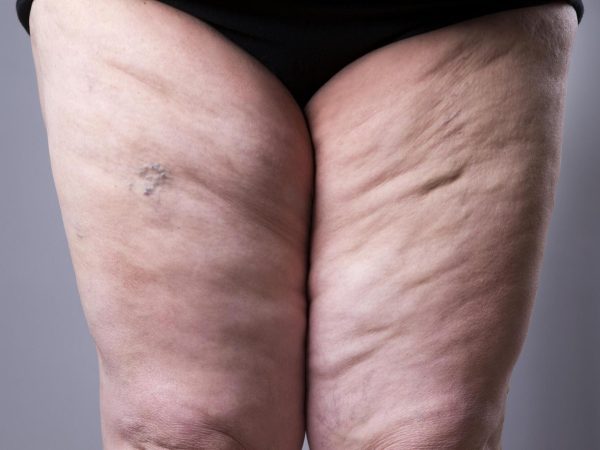
Weather effects on lipedema is about how temperature, humidity, and barometric changes can affect pain, swelling, and mobility in people with lipedema. Many of those with lipedema report that cold tends to cause tightness and numbness.
Heat can increase swelling and pain. High humidity can exacerbate fluid retention and skin tenderness. Seasonal shifts, high winds, and quick weather swings impact symptoms and everyday care.
These next parts discuss what causes it and real ways to deal with these changes.
Weather’s Influence
Weather changes can affect the feeling of lipedema on a daily basis. This segment deconstructs crucial weather elements and provides specific actions to navigate temperature, humidity, pressure, and seasonal symptoms.
1. Heat and Humidity
Hot weather elevates skin temperature and can exacerbate swelling in impacted limbs. Many lymphedema sufferers report aggravated symptoms in the summer months as heat and humidity increase. High humidity inhibits evaporation of sweat, which can leave skin moist and irritated.
Warmth can slow lymph flow, making fluid accumulation and heaviness worse. Compression tends to feel tighter and more difficult to don in heat, which can decrease compliance and make it less effective.
Keep cool, whether it’s the fan, AC, or those little portable cooling packs that you rest on your thighs and calves. Drink water often. Proper hydration helps the lymph system move fluid.
Select lightweight, breathable fabrics like cotton or moisture-wicking blends to minimize friction and skin irritation. Keep away from extended sun for both ultraviolet rays and heat, which can both exacerbate inflammation and make the limbs feel heavier.
If outside, find shade, use broad hats, and cool off often instead of powering through the hours.
2. Cold and Dryness
Cooler weather tends to subdue the swelling and give relief to many. Cold tends to stiffen and reduce circulation in the limbs. Dry air, prevalent during winter or in arid environments, can fissure your skin and break down skin barriers, increasing potential for infection in areas with suboptimal lymphatic flow.
Layering helps. Use thin base layers that trap warmth without squeezing tissues, and add or remove outer layers as needed to avoid sweating then chilling.
Daily moisturizing with fragrance-free creams maintains skin barrier. Easy range-of-motion exercises and light stretching aid circulation when cold induces joint stiffness.
Even modest walks or in-chair leg pumps keep the fluid moving. Stay away from heavy blankets or tight bands that squeeze tissues in spots and might limit lymph flow.
3. Barometric Pressure
Barometric pressure changes quickly, it’s been said, can bring on aches or feelings of heaviness or fullness in limbs. Others observe these transitions during storm fronts or inter-climate travel.
Check local forecasts and schedule higher-intensity work for stable-pressure days. When pressure drops, opt for gentle movement, such as short walks, ankle pumps, or slow yoga, to keep blood flowing without straining tissues.
Breathing and progressive muscle relaxation can both reduce perceived discomfort and electro-mechanical tension that exacerbates pain.
4. Seasonal Shifts
The time between spring and fall is always tricky because the temps are going up and down, which causes flare-ups for certain people. Update self-care with the season: swap fabrics, adjust moisturizer frequency, and change exercise plans to match weather.
Monitor mood and energy, for seasonal change can impact activity, sleep, and coping. Create a checklist: clothing swaps, compression fit checks, skin care adjustments, hydration plan, and activity tweaks to reduce surprise symptom changes.
The Body’s Response
Lipedema alters the body’s response. It is an atypical lipomatosis of the subcutaneous fat that results in a symmetric, disproportional increase in lower extremity volume and occasionally in the arms. These tissue changes, including hypertrophic adipocytes, more macrophages and blood vessels, and dilated capillaries, modify local fluid handling, vascular reactivity, and nerve signaling.
The lymphatic system and potential lymphangiopathy modulate symptom swings, whereas systemic factors like estrogen signaling, oxidative stress, such as increased malondialdehyde, and low vitamin D3 all sculpt the weather response.
Fluid Dynamics
Heat and humidity slow fluid return from tissues and can increase capillary leakage in areas with dilated capillaries, so legs often feel heavier and appear more swollen in warm, wet weather. Elevated temperature raises local blood flow, which can push fluid into already vulnerable fat pads.
Simple measures help: elevate legs for 15 to 20 minutes after long standing, use graduated compression garments in hot or cold conditions, and change to breathable compression fabrics when it is warm.
General movement encourages lymph circulation. Take a few short walk bursts every 30 to 60 minutes, cycle, or perform ankle pumps. Dietary choices matter. Reduce high-sodium processed foods and favor potassium-rich items like bananas and leafy greens.
Drink adequate water to help regulate volume and include foods with natural diuretics such as cucumber and celery. In humid conditions, cool off and eat lighter. In dry cold, ingest more omega-3 foods to assist circulation.
Inflammatory Pathways
Temperature extremes can induce inflammation in lipedema tissue that already exhibits increased oxidative stress and immune cell infiltration. Cold can induce vasospasm and microtrauma in delicate capillaries. Heat can enhance local inflammatory signaling.
Anti-inflammatory foods and habits can blunt this. Regular oily fish, nuts, berries, and a Mediterranean-style diet reduce proinflammatory load. Vitamin D3 supplementation can be useful if low.
Avoid known inflammatory triggers during weather shifts: heavy alcohol, high-sugar meals, and prolonged sunburn or frost exposure. Monitor inflammation, such as pain, firmness, or redness with each weather change to identify trends and tailor lifestyle and treatment.
Nerve Sensitivity
Weather swings tend to exacerbate pain, burning, or tingling in impacted locations. Nerve endings adjacent to enlarged fatty tissue and dilated capillaries turn up their sensitivity. Soft manual lymph drainage and light self-massage or topical agents with cooling or low-concentration capsaicin can calm nerves.
Stay away from extremes of temperature. Scalding baths or ice packs on the skin might aggravate the nerve pain. Document nerve symptoms alongside weather data: temperature, humidity, activity, and foods eaten.
Over time, this reveals obvious connections between particular situations and symptoms, informing customized coping strategies.
Adapting Self-Care
Adapting self-care – Weather changes symptoms for a lot of people with lipedema. Seasonal changes: Adapt your self-care routines to manage swelling, pain, and skin. Here are some actionable tips on how to adapt your daily care, prep kits for various states, stay flexible with habits, and reevaluate strategies.
Compression
Opt for lighter breathable compression fabrics in the summer and thicker ones in the winter months. In summer, shoot for moisture-wicking blends and lower denier garments that still offer compression levels. In winter, insulated layers can provide warmth and support without being too constricting.
Compression virgin? Readapt self-care. Adjust compression as swelling, activity, and comfort change. If swelling worsens post-travel or heat, temporarily treat with more powerful medical-grade compression. If skin irritates or numbness occurs, adjust or find a fitter. The right care keeps fit and function intact.
Hand-wash or use very gentle cycles and flat dry garments because dryer heat breaks down elastic. Signs to change or upgrade compression wear include:
-
Garments sag or roll down within hours
-
Persistent numbness, pins-and-needles, or increased pain
-
Noticeable creasing that leaves marks on skin
-
Stretching of fabric where pressure should be consistent
-
Difficulty donning or closing fasteners that were once easy
Nutrition
Hydration is an easy, powerful means of taming summer swelling. Stay hydrated by drinking water regularly, reducing dehydrating caffeinated and alcoholic beverages, and incorporating electrolyte-containing fluids if exerting in the heat.
In the chilly months, increase healthy fats, like omega-3s and monounsaturated oils, and vitamins A, C, and D to support skin and circulation. Keep the salt low throughout the year to minimize water retention and keep it whole-food oriented as opposed to processed.
Small changes all day long, water instead of soda, a handful of nuts here, cut down on packaged snacks there, add up. Seasonal meal plan ideas include:
-
Summer: cucumber, watermelon, mint salad; grilled fish; coconut water
-
Autumn: roasted root vegetables, leafy greens, salmon with pumpkin seeds
-
Winter: Oat porridge with chia and berries, stews with olive oil
-
Spring: asparagus and quinoa bowls, yogurt, fruit, and flax
Skin Integrity
Adapt Self-Care. Moisturize daily to avoid dryness and cracking. Opt for creams with ceramides or glycerin. In the sun, use broad spectrum SPF 30+ and wear light long sleeves or wide brim hats to protect sensitive tissue.
Examine skin daily for redness, cuts, or infection. Here, early care staves off complications. Gentle cleansers and lotions for sensitive skin include:
-
Fragrance-free, pH-balanced body wash
-
Creams with ceramides or hyaluronic acid
-
Emollient-rich ointments for cracked areas
-
Sunscreen formulated for sensitive skin
Incorporate mindfulness, yoga, or tai chi to assist with pain and emotional stress. Among other things, raise your legs for 15 to 20 minutes, 2 to 3 times a day and adjust your plan every season or with any treatment changes.
Weather-Wise Movement
Weather impacts symptom load and exercise options for those with lipedema and associated lymphatic conditions. Weather-wise movement plans can help you stave off pain, minimize swelling, and set up consistency. Weather-Wise Movement — Track your responses to heat, cold, humidity and pressure changes so you can adjust your routines on days when your mobility or comfort levels shift.
Indoor Options
These weather-wise movement choices — yoga, Pilates, low-resistance strength work, seated tai chi, stationary cycling — are indoor-friendly and minimize joint stress. These activities facilitate lymph flow without being high impact and can be adjusted in both time and intensity to correspond with symptom flare-ups.
Designate a specific, shaded spot at home with a mat, some light weights or resistance bands, and a chair for balance work and keep props within arm’s reach to prevent any abrupt muscle jarring. Fans or air conditioning regulate body temperature.
A lot of people discover that a cool room actually makes wearing compression garments easier, not harder, stopping the catch-22 of being in the heat and needing compression but not wanting it. Virtual classes and physiotherapy sessions give you the structure and coaching.
Drop into brief, guided workouts a couple of times per week to stay in shape and inspired. Recorded classes allow you to skip days when inflammation is higher.
Outdoor Considerations
If exercising outdoors, schedule activity during the cooler times of day, early morning or late evening, to minimize heat stress and decrease the chance of hot weather induced swelling. A few subjects note bigger limbs and more fluid retention in summer, so timing is important.
Opt for moisture-wicking clothing and supportive shoes to alleviate chafing. Compression gear in breathable fabrics can keep a limb cooler by supporting circulation and limiting fluid pooling. Choose shaded paths, covered trails, or wooded parks to stay out of the sun.
Safety tips: Carry water, check the local heat index before leaving, avoid strenuous hills during hot spells, and have a phone and ID on you. If weather becomes extreme, such as storms, heat, or poor air quality, take workouts inside and reschedule.
Aquatic Relief
Swimming and water aerobics offer buoyancy that decreases joint load and assists lymph flow, not infrequently diminishing post-session swelling. This is why many people make a water-based activity switch in summer.
Look for pools with ramps, lifts or zero-entry. Your local community center and therapy pools usually have classes tailored to mobility. Water temperature matters: cooler pools tend to reduce inflammation and may make tissue feel firmer, while mildly warm water can ease soreness.
Test different temperatures to see what helps your symptoms most. Be consistent. Twice-weekly 30 to 45 minute sessions work for most. Weather-wise movement measures limb girths pre and post sessions to find out which routine and temperature provide you with the most relief.
The Emotional Climate
Weather impacts more than skin and limbs. It molds day-to-day moods for those with lipedema and associated lymphatic diseases. Temperature, humidity, and seasonal shifts can affect pain, swelling, and mobility. Those physical shifts in turn impact mood, stress, and social decisions. The subsections below detail how weather-associated symptoms generate an emotional burden and provide actionable methods to cultivate resilience, monitor trends, and pursue assistance.
Mental Toll
Symptom flare-ups are accompanied by frustration and anxiety when swelling or pain restricts usual activities. Hot, humid weather makes compression garments claustrophobic, inflames skin rash, adds to discomfort, reduces patience, and stokes frustration. Set realistic self-care goals for tough days: smaller exercise steps, shorter compression wear windows, or swapping tasks so energy is saved for essentials.
Mood-enhancing hobbies and indoor work—reading, low-impact yoga, art, or guided audio walks—hold routine and joy without requiring exposure to hostile climates. Practice simple mindfulness: three slow breaths, a body scan, or a five-minute grounding exercise when swelling spikes. Self-compassion is important; recognize that symptoms are part of the condition, not you being lazy, and recalibrate expectations instead of forcing yourself to work harder.
By tracking symptoms and mood together, it exhibits connections between environment and mental state and directs what to adjust next.
Social Impact
Weather can constrain going to an event, travel, or being able to meet outdoors, which has implications for social life and belonging. Schedule get-togethers in air-conditioned environments or select cooler, less humid times of day. Inform friends and family about weather sensitivities and functional needs—shorter outings, seating preferences or rest breaks—so plans can incorporate easy accommodations.
Whether you join support groups, online forums or local peer meet-ups, not feeling alone makes a huge difference and provides shared coping tips for heat, cold or seasonal changes. The emotional climate visibility and stigma around swelling or compression wear can be embarrassing. Prepare pithy, factual ways to educate curious people and diffuse awkwardness.
Climate change adds another layer: more frequent heat waves or unpredictable seasons raise baseline stress for many, so collective planning and community support become more important. When control over the environment feels low, small steps like portable cooling packs, flexible schedules, or early weather checks can restore a sense of agency and alleviate emotional distress.
Beyond Lipedema
Weather impacts lipedema and it entwines with a number of other chronic conditions. Below it contrasts those effects, demonstrates where management can intersect, and provides actionable advice for individuals dealing with multiple conditions.
Tables below break down the patterns and where they differ so readers can arrange care that suits their complete health profile.
Lymphedema
Both lipedema and lymphedema tend to exacerbate in heat and high humidity. Heat can make limbs swell and ache for both. Skin can feel tight or weepy.
Among the tips shared are consistent compression garment use, regular elevation of limbs when possible, gentle lymphatic massage, and staying hydrated to aid fluid balance. Watch for infections. Signs of infection may include increasing redness, warmth, fever, or sudden worsening of swelling. These can increase when the skin breaks down from sweat or friction.
|
Feature |
Lipedema |
Lymphedema |
|---|---|---|
|
Primary fluid pattern |
Adipose deposition with edema-like feel |
Accumulation of lymphatic fluid |
|
Symmetry |
Usually symmetric, lower body dominant |
Can be asymmetric, localized |
|
Pitting on pressure |
Rare or minimal |
Often present in early stages |
|
Response to elevation |
Limited reduction |
Often improves with elevation |
|
Infection risk |
Increased with skin breakdown |
Higher risk, cellulitis common |
Those with both should collaborate with experts to customize compression and use fabrics adapted to weather. Conservative treatments such as compression and movement are beneficial for maintaining mobility and minimizing pain.
More definitive options, including liposuction, are an option where appropriate.
Fibromyalgia
Weather changes can exacerbate pain and fatigue in fibromyalgia. Barometric pressure fluctuations, sudden drops in temperature, or humid weather can aggravate sensitivity and sleep.
Light stretching, paced aerobic movement, and relaxation like diaphragmatic breathing or progressive muscle relaxation provide symptom relief and are safe coupled with lipedema care. Track overlapping symptoms. Does increased limb pain after heat appear at the same time as widespread fibromyalgia flares? This can help disentangle causes and modify plans.
Maintain a straightforward weather-pain-activity journal to identify trends. Adjust activity levels when energy is low. Swap a long walk for a short swim or seated stretching.
Mind – mental health matters. Anxiety and depression are prevalent with chronic pain and body image stress, so incorporate mood checks into self-monitoring.
Arthritis
Cold, damp weather is notorious for making arthritis joints feel stiff and painful. It is believed that the practice of warming joints before activity alleviates pain.
Incorporate joint-friendly exercise such as low-impact strength work, swimming, or stationary cycling into your daily routine to retain function and reduce stiffness. Heat packs and warm baths can provide relief and should be used for symptom management, especially prior to mobility tasks.
DOT DOT Moms: Coordinate exercises with compression when needed for lipedema so both lymph flow and joint mobility increase. Consider comorbidities like hypertension or diabetes when planning activity and medications; customized approaches yield optimal results.
Conclusion
Weather affects the way the lipedema body feels and flows. Hot days induce more swelling and tiredness. Cold days bring on tightness and stiffness. Basic measures reduce pain. Wear breathable compression, stay hydrated, and move workouts to the cooler early hours or inside. Track symptoms with a brief daily note. Share clear examples with a care team: a 20-minute morning walk in shade, cooling packs after heat exposure, or a warm bath to ease tight legs. Little habitual shifts accumulate quickly. They relieve pain, increase energy, and maintain mobility. Give one shift a try this week and see what happens. Need a brief, actionable plan you can follow? I can tailor one to your schedule and local weather.
Frequently Asked Questions
What is lipedema and how can weather affect it?
Lipedema is an incurable condition that results in disproportionate, symmetric fat in the arms and/or legs. Weather definitely shifts symptoms. Heat can exacerbate swelling and discomfort. Cold relieves fluid retention and pain in some individuals.
Does hot weather make lipedema worse?
Yes, heat can frequently intensify swelling, heaviness, and pain. Warm weather expands blood vessels and fluid retention increases pressure in target tissues.
Can cold weather help lipedema symptoms?
Cold can temporarily reduce swelling and numb pain by constricting blood vessels. It depends; some experience true relief, others not so much.
How should I adjust self-care for different seasons?
If it’s hot, apply cooling packs, drink water, wear breathable compression, and skip the long days in the sun. In the heat, wear layers, keep active, and continue skin and lymph care.
What movement is best when weather limits activity?
Low-impact indoor workouts such as seated strength, aqua therapy in a temperature-controlled pool, or gentle yoga maintain circulation and lymph flow without taxing joints.
How does weather affect mental health for people with lipedema?
These weather-linked symptom changes can ramp up your stress, anxiety, and low mood. Forethought with self-care and the social or professional support that surrounds it shields the soul.
When should I see a clinician about weather-related changes?
Consult a specialist if swelling, pain, skin changes, or mobility decline occur, or if symptoms abruptly change. A clinician can then tailor treatment, compression, or refer for focused therapies.