
Key Takeaways
-
Understand what lipedema is and how it needs to be diagnosed early and treated differently.
-
GLP-1s are promising to support lipedema fat loss, appetite control, enhanced metabolism and lowered inflammation.
-
Clinical trials show GLP-1 treatments provide dramatic symptom relief and weight loss. Patient eligibility and safety require careful evaluation by clinicians.
-
Best lipedema treatment marries medication, diet, exercise, and compression for the best outcomes.
-
Quality of life, mobility, and mental health can all be improved with a comprehensive lipedema treatment approach.
-
Insurance coverage and cost can impact access to GLP-1 medications, so patients should explore financial assistance programs and advocate for improved access.
About
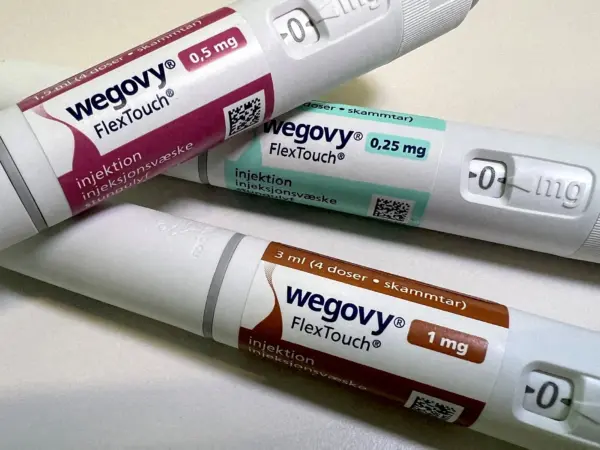
Wegovy is a prescription weight-loss drug that can help some people with lipedema lose fat. Lipedema is a chronic condition where fat accumulates in the legs, hips, or arms and can be painful or cause swelling.
Others with lipedema want fat loss alternatives to diet and exercise. Wegovy can provide a route to fat loss, but outcomes will vary depending on individual health and requirements.
Understanding Lipedema
Lipedema is a condition that specifically impacts women, causing an abnormal accumulation of fat in the legs and arms. This accumulation is more than a beauty issue. It causes pain, swelling, and increased bruising. The skin might be sensitive and the fat can be hard or knobbly.
Some individuals with lipedema report that their limbs feel heavy or achy, symptoms that can disrupt daily life. The earlier lipedema is identified, the better. Lipedema is frequently overlooked or misdiagnosed as just obesity. Such a delay restricts treatment options and allows the disease to advance.
When caught early, people have more options to consider, including customized diets, compression therapy, or lymph-sparing liposuction. Lipedema surgery is the only way shown to remove this fat and slow the disease. Lifestyle interventions and medications, such as GLP-1 agonists like Semaglutide and Tirzepatide, can assist in weight loss and symptom relief.
The Fat Difference
Lipedema fat isn’t your typical body fat. It’s structured differently, with more fibrous tissue and pockets of fat cells that defy typical weight loss. This fat sits beneath the skin typically from the hips to the ankles and sometimes the arms.
The skin might be lumpy or rubbery, unlike the softer fat resulting from general obesity. Inflammation is usually involved, which causes the area to be sore and swollen. These distinctions render lipedema difficult to address with diet and exercise alone.
Regular weight loss typically reduces abdominal fat first. Some women with lipedema can reduce fat in afflicted regions through diets such as the Mediterranean diet. GLP-1 agonists are useful for managing appetite and reducing food cravings, but further investigation is required to determine if they specifically target lipedema fat.
Some of my patients on these medications say they notice less pain and heaviness, even if their limb size doesn’t change that much. Inflammation associated with lipedema can impact heart health, and medications that reduce cardiac events may offer additional advantage.
The Diagnosis Challenge
-
Diagnostic criteria for lipedema include symmetrical swelling in limbs (legs/arms), pain, tenderness, easy bruising, skin changes, and a history of worsening symptoms over time.
-
Clinical diagnosis is based on history, physical examination and exclusion of other causes such as lymphedema or generalized obesity.
-
Lipedema is frequently misdiagnosed as obesity or lymphedema, which makes obtaining appropriate care challenging and delays treatment.
-
A lot of doctors have never heard of lipedema, so raising awareness is crucial to expediting accurate diagnosis.
-
Listening to patients. Their accounts of pain, swelling, and their body’s transformation over time assist physicians in making the correct diagnosis.
The GLP-1 Mechanism
GLP-1 drugs, such as Wegovy, have become a leading option for treating lipedema and aiding fat reduction. Initially intended for type 2 diabetes, these drugs tap into the body’s metabolism to assist with weight loss, hunger, and inflammation. Their advantages go beyond mere weight loss, with studies demonstrating decreased stroke risk, heart attacks, and enhancements in metabolic health.
Although additional research is required to comprehend their comprehensive effect on lipedema, existing data suggests their promise in targeting major issues encountered by individuals with this disorder.
1. Appetite Regulation
GLP-1RAs work principally by suppressing appetite. They assist individuals in experiencing fullness faster for extended durations, so you consume less. Appetite control is key for lipedema patients as it prevents binge eating and reduces superfluous calorie consumption.
When hunger is under control, it is simple to maintain a calorie-reduced diet and achieve a better weight. Patients on GLP-1 agonists mention a reduction in cravings, particularly for sugary or fatty foods. These medications appear to alleviate compulsive eating, a common problem for those with chronic weight issues.
Patients report feeling like they have less control of their eating, which makes sustained weight loss more feasible. Sustainable lipedema weight loss frequently depends on appetite control. Permanent modification is more attainable when the body’s hunger cues are in equilibrium.
Therefore, this component of GLP-1 treatment is crucial.
2. Fat Metabolism
GLP-1 meds affect the way the body processes fat. They encourage the catabolism of stored fat, reducing the total body fat. In the diet and exercise-resistant fat of lipedema, this mechanism provides hope.
These drugs have the ability to modify adipocyte function and increase energy expenditure, assisting in melting away hard-to-lose fat deposits. GLP-1 agonists are associated with an average weight loss of 21 to 25 percent. This is important for those of us whose fat is stubborn.
Better cholesterol and blood sugar numbers tend to follow, indicative of improved metabolic health. The leptogenic mechanism of GLP-1 can lead to improved results for lipedema patients. Additional research is necessary to determine the specific impact on this fat type.
3. Inflammation Impact
Lipedema is typically accompanied by persistent inflammation. GLP‑1 therapies are anti-inflammatory, so they could potentially minimize swelling and pain. Less inflammation may lead to less stiffness and pain.
Inflammation intersects with lipedema’s metabolic issues. Reducing inflammation, GLP-1 drugs may have the potential to improve general health outcomes. Other research observed fewer major cardiac events and stroke risk, reinforcing their wide-ranging advantages.
New research is still investigating exactly how these drugs reduce inflammation. Early results are encouraging for lipedema treatment.
4. Glycemic Control
GLP-1 drugs maintain your blood sugar levels. This is key for lipedema sufferers who can be at increased risk of insulin resistance and other issues. Steady glucose can boost energy and reduce the risk of diabetes.
Improved blood sugar regulation promotes shedding those pounds. Glycemic health is intimately connected to both how easy it is to lose weight and how easy it is to maintain a lean weight. For lipedema patients, reducing the risk for obesity-related cancers and increasing fertility are benefits noted in some research.
Keep glycemic balance and it can be the cornerstone of long-term lipedema management.
5. Patient Suitability
Not all patients are candidates for GLP-1 treatment. They’re not suitable for everyone as it depends on current health, other medications, and personal medical history. Certain health conditions, allergies, or interactions with other treatments may prevent some people from being able to use these drugs.
A plan tailored to you is essential. Doctors have to balance benefits and risks according to individual patient needs and goals. Meticulous screening and routine follow-up ensure the treatment is safe and effective.
The provider’s experience is a huge factor in determining who should initiate GLP-1 therapy for lipedema.
Clinical Realities
Clinical research on GLP-1 medications such as Wegovy for lipedema is expanding. The evidence remains preliminary. Clinical trials provide controlled responses but may not reflect realities in actual clinics, as patients in trials often satisfy strict inclusion criteria that do not represent all individuals with lipedema.
Real-world studies demonstrate what could occur for a wider population, but they are susceptible to confounding and bias. Both types of studies help develop a complete image, but each has its constraints.
The Evidence
Recent trials and observational studies have explored GLP-1 medications for lipedema. Most of the trials are on weight loss in people with obesity, only a few directly on lipedema. Even so, research has found that GLP-1 medications can produce meaningful weight loss, roughly 10 to 15 percent of body weight at 68 weeks in certain big trials.
For lipedema, preliminary data indicates these medications could aid in fat reduction and symptom relief, yet additional studies are necessary.
|
Study Type |
Population |
Avg. Weight Loss |
Symptom Relief |
Safety Notes |
|---|---|---|---|---|
|
Randomized Trial |
Obese adults |
12–15% |
Not measured |
Mostly GI side effects |
|
Lipedema Pilot Study |
Lipedema patients |
7–10% |
Modest |
Mild to moderate nausea |
|
Real-world Analysis |
Mixed populations |
8–13% |
Variable |
Consistent with trials |
Safety is typically favorable in trials, with nausea, diarrhea, and headache most common. Clinicians say GLP-1 treatment could be incorporated into future lipedema management, but caution information is scarce and further research is required.
The Risks
-
Nausea and Vomiting: Most people feel sick at first. This often fades after a few weeks.
-
Diarrhea and Constipation: Digestive upset is common and can be controlled through dietary modifications.
-
Low Blood Sugar (Hypoglycemia): More likely if combined with diabetes drugs.
-
Gallbladder Problems: Risk of gallstones and inflammation, especially with rapid weight loss.
-
Pancreatitis: Rare but serious. Symptoms are abrupt stomach pain and vomiting.
Individuals have to be observed for these side effects, particularly upfront or if other medical conditions are present. Physicians should discuss risks and ways to manage.
Balancing advantages, such as weight loss and symptom relief, against these dangers is important, particularly since lipedema patients can often have other health concerns.
The Results
Others with lipedema are reporting tales of fat loss and reduced pain after taking GLP-1 drugs. A 42-year-old woman lost 11 kg and was able to walk pain free for the first time in years. A couple of small case series demonstrate comparable increases, such as reduced limb girth and more effortless movement.
Quality of life enhancements are common, but not everyone experiences huge weight loss. Most patients lose under 10% of their starting weight, and some plateau within a few months.
For long-term outcomes, good nutrition and physical activity are as important as drugs. More research is necessary on the duration of benefits and their maintenance.
Beyond The Scale
Treating lipedema is about more than just numbers on a scale. For many living with this chronic condition that often begins for women during hormonal fluctuations, they seek more profound daily life improvements. Comprehensive care, such as GLP-1 medications like Wegovy, can tackle lipedema’s multifaceted challenges, impacting body, mental wellness, mobility, and social connection.
Quality of Life
-
Pain, swelling and a leaden feeling in the legs can impede basic activities. GLP-1 drops excess obesity fat and movement becomes easier. They tell us they walk farther and stand longer with less pain.
-
Weight loss, even if it’s not able to completely eliminate lipedema fat, empowers individuals. Improved body image and self-esteem usually come along for the ride, making it simple to engage in social activities or wear clothes they love.
-
Lipedema pain is lipoalgia. It emanates from inflamed and delicate tissue that can bruise and bloat unexpectedly. Wegovy, among others, can potentially reduce inflammation and pain and make life easier day to day.
-
It’s about the whole person. Addressing symptoms with GLP-1s can assist with sleep, self-care, and energy. Most notice they can keep up with their kids, run around at the office, and pursue their favorite activities once again.
Mental Health
Lipedema life can be stressful, worry-filled, and sad. A lot of people feel alone because the disease is misunderstood. When treatment works, the social anxiety and depression can lift and hope can grow.
Counselors, friends, and family support make a difference. GLP-1 medication aids the weight and pain, and connecting with others addresses the emotional aspect. Health of the body often means health of the mind.
Mental strength gets better when symptoms are managed, and living day to day is less of a battle.
Mobility Gains
Mobility is about more than just locomotion. Lipedema patients can’t walk or exercise due to pain, swelling, and heavy limbs. Even a little bit of weight loss from Wegovy can make walking, biking, or swimming less painful.
GLP-1 drugs reduce inflammation and joint pain, allowing individuals to experiment with new activities or revisit old favorites. Improved movement can invigorate heart health, manage other illnesses, and infuse your days with greater happiness.
A care plan incorporating light movement, such as swimming or yoga, keeps you on track and symptoms at bay.
A Holistic Approach
Lipedema management requires a multi-pronged approach. A holistic approach considers the complete picture, including physical symptoms, mental health, and how your day-to-day life is impacted. GLP-1 meds such as Wegovy are not first-line treatment for lipedema, but they can bolster holistic care plans.
Most clinicians emphasize that there is no single step that works for everyone. A combination of medication, lifestyle changes, and other interventions results in better outcomes. This can lead to less pain, less swelling, and better mobility, even if the limb contours don’t shift significantly. Minimizing secondary obesity and soothing inflammation can make individuals with lipedema more mobile and stronger.
Diet Synergy
-
Consume more anti-inflammatory foods, such as leafy greens, berries, omega-3 rich fish, nuts, and seeds.
-
Reduce sugars and refined grains. These can increase swelling.
-
Opt for balanced meals containing a combination of protein, healthy fats, and slow-digesting carbohydrates.
-
Concentrate on high-fiber foods such as beans, lentils, and whole grains.
-
Drink enough water to support lymph flow.
-
Steer clear of the common culprits. Think processed snacks and fried goodies.
A diet rich in these foods complements GLP-1 therapy. Anti-inflammatory diets can reduce swelling and facilitate weight loss. Balanced macronutrients, including protein, fat, and carbs, keep energy steady and support muscle mass, which is essential for those with lipedema.
Folks who switch their diet in this manner frequently experience greater benefits from their medicine.
Movement Synergy
Exercise is crucial for controlling lipedema. This regular movement, combined with GLP-1 therapy, can help people metabolically lose weight. The 20 to 40 pounds lost this way can increase muscle mass and mobility.
Low-impact exercises, such as walking, swimming, cycling, or water aerobics, are ideal. These are all low-impact activities that are convenient for joints and maintain consistent motion. Exercise gets lymph fluid moving, which can relieve swelling and pain.
It bolsters mental health and assists individuals in maintaining a healthy schedule. Most people notice that if they start slow and build up, it’s easier to stay active. Throwing in strength training can bolster muscle mass.
Compression Synergy
Compression therapy is another cornerstone of treatment. Wearing compression garments aids in increased blood flow and reduces swelling. These clothes can collaborate with GLP-1s to smooth the symptoms.
They have less pain and heaviness once compression was added to their regimen, even if their leg size does not significantly change. Type and fit of compression gear matters. Consulting with a healthcare provider aids in determining what is most effective and safe.
Compression combined with the other steps makes many people feel better on a day-to-day basis.
Access and Affordability
Access and affordability of GLP-1 medications, such as Wegovy, have been a very significant access problem for fat loss options for people with lipedema. The price of these drugs, intermingled with complicated insurance regulations, leads to difficulty for many to receive the treatment they require. Recent developments, like deals for lower copays, demonstrate that there’s glacial but actual progress on making these therapies more accessible.
Yet, for many patients, there are additional barriers that extend past price tags, from scant insurance coverage to rigid qualification criteria. Advocacy and financial support programs can help fill the gap.
|
Barrier/Support |
Overview |
|---|---|
|
Insurance Denials |
Many insurers exclude GLP-1s for lipedema due to “cosmetic” labeling |
|
Prior Authorization |
Lengthy paperwork, repeat denials, and appeals are common |
|
High Out-of-Pocket |
Without coverage, monthly costs exceed €225–€300 in many countries |
|
Financial Aid |
Patient assistance, manufacturer discounts, nonprofit grants available |
|
Medicare Access |
New deals offer $50/month copays and price drops to $245/month |
Insurance Hurdles
Since most insurers don’t cover lipedema specifically, patients are frequently denied coverage for GLP-1 therapy. Instead, these drugs tend to be approved for Type 2 diabetes or obesity, not lipedema, even when the medical need is high. Insurers might ask for a high BMI, evidence of diet failure, or associated medical conditions such as heart disease.
This screen leaves most without affordable access. Knowing the policy specifics can assist. Reading the fine print, looking for exceptions, or requesting case-by-case reviews may surface unexpected alternatives. A doctor’s notes and letters of medical necessity can help bolster an appeal if coverage is denied.
Long waits and paperwork can stand in the way of speedy care. Patients usually require patience and persistence, in addition to backing from their care team, to receive approval. For others, patient groups or advocacy groups can provide advice for securing coverage by reporting what has worked in other contexts.
Advocacy is essential. Patients who communicate with insurers through telephone, writing, or in person—or who voice their stories to policy-makers—can assist in advocating for expanded coverage of GLP-1 drugs for lipedema. This can increase the accessibility of these therapies in the long run.
The Cost Factor
GLP-1 drugs, such as Wegovy, are pricey, costing as much as $300 or more a month if paying out-of-pocket. This cost restricts access even further, particularly for those uninsured for this lipedema-specific drug. Even if you have insurance, copays and deductibles accumulate.
Certain areas provide fresh agreements that establish copays at $50 a month for Medicare beneficiaries, with prices anticipated to decline to $245 within a two-year period. These shifts seek to equal or undercut the pricing of other developed countries and increase the affordability of care.
The sustained health advantages of efficient fat loss, such as decreased heart disease risk, could render these medications cost-effective for both patients and health systems. Eventually, better health pays for the initial drug costs and leaves the system budget neutral in two years, per recent estimates.
Patients seek savings from manufacturer programs, nonprofit foundations, or patient assistance. Some might provide short-term free supplies or assistance with insurance appeals. There are generics in the pipeline too, which might make prices plunge even more once those come on board.
Considering the full value of GLP-1 therapy involves balancing price and the lasting boost to quality of life. For a lot of people, that alone makes the coverage and support worth chasing.
Conclusion
Wegovy presents a fresh approach for individuals with lipedema to control weight and enhance their day-to-day experience. It works by altering hunger signals and can potentially aid in fat loss with some variability. They discovered treatment is most effective with robust support such as a medical team, good nutrition, and movement that resonates. Others encounter high prices or access restrictions that can stall momentum. They want concrete information and light duty action, not bold assertions and empty hope. To find out more, discuss with a care provider familiar with lipedema and innovative therapies. For more updates and real stories, stay tuned to reliable outlets. Stay inquisitive and continue to ask questions that interest you.
Frequently Asked Questions
Can Wegovy help with fat loss in lipedema?
Wegovy might aid certain individuals with lipedema in fat loss. It’s primarily appetite control, and lipedema fat doesn’t typically respond to standard weight loss.
How does Wegovy work in the body?
Wegovy mimics a hormone called GLP-1. This hormone curbs appetite and can aid weight loss when paired with a healthy lifestyle.
Is lipedema fat different from regular body fat?
Yes, lipedema fat is distinct. It can be painful, is more stubborn to diet and exercise, and accumulates in the legs and arms.
Are there clinical studies on Wegovy for lipedema?
There’s not much research on Wegovy for lipedema specifically. Most research is on general obesity, not lipedema fat.
What other treatments exist for lipedema?
Other treatments are compression therapy, lymphatic drainage, exercise, and sometimes surgery like liposuction.
Is Wegovy accessible and affordable worldwide?
Wegovy’s availability and price differ by country. It can be costly and is not always covered by insurance.
Should I try Wegovy for lipedema without medical advice?
No. Please discuss with your doctor prior to starting Wegovy, particularly in the case of lipedema.