
Key Takeaways
-
Lipedema is a chronic fat disorder that causes painful, symmetrical fat accumulation predominantly in the legs and sometimes the arms. Pursue a precise diagnosis to differentiate it from obesity or lymphedema and inform appropriate management.
-
Implement an anti-inflammatory lifestyle via balanced diet, hydration, and judicious supplements when necessary to decrease swelling and pain. Monitor symptom-aggravating foods.
-
Apply daily conservative therapies like medical-grade compression, gentle movement, and consistent skincare to reduce heaviness, support lymphatic flow, and prevent complications.
-
Add low-impact exercise and customized strength training to increase mobility, ease nerve compression, and maintain long-term symptom management through consistent habits.
-
Think about medical options such as manual lymphatic drainage, complete decongestive therapy, and surgical removal of lipedema tissue when conservative strategies do not bring enough relief after thoroughly exploring the risks and benefits with specialists.
-
Build a support network of certified therapists, lipedema specialists, and patient groups. Set realistic goals while practicing self-care and stress-reduction techniques to get through each day functioning as well as possible.
===
How to reduce pain and heaviness from lipedema is a series of actionable tips that alleviate suffering and make life easier.
Gentle compression, low impact exercise, and targeted lymphatic massage decrease edema and reduce pressure in afflicted tissue. Exercise that is gentle on your weight and anti-inflammatory foods can reduce the pain and heaviness of lipedema.
Medical options, from symptom-focused therapies to specialist consultation, help tailor care. The meat body tells you what to do in the trenches with real advice on steps, routines, and when to call in support.
Understanding Lipedema
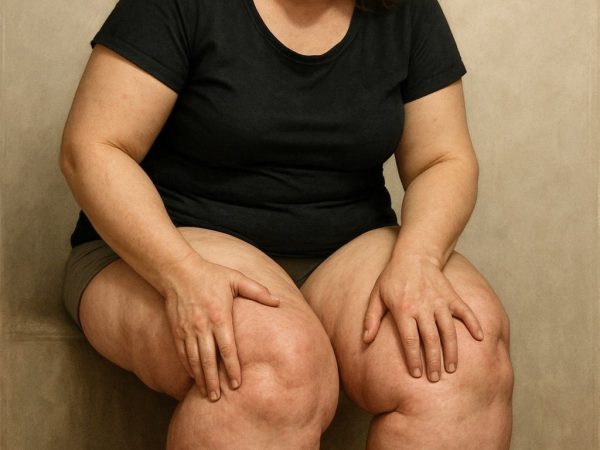
Lipedema is a chronic adipose tissue disorder that results in abnormal, usually symmetrical, fat accumulation primarily in the legs and sometimes the arms. It causes pain, tenderness, easy bruising, and a feeling of heaviness. The condition is progressive. Over time, the subcutaneous fat band grows and can limit movement, raise pain levels, and affect daily life.
Common symptoms include symmetrical fat deposits on hips, thighs, and lower legs; arms can be involved. Patients often experience painful, tender tissue that bruises easily. Swelling tends to increase as the day goes on and with heat or extended standing. The skin may feel nodular or spongy to the touch. Notably, the feet and hands are relatively spared. There is also a top body versus bottom body disproportion, along with impaired mobility, fatigue, and chronic heaviness.
Correct diagnosis is important because lipedema tends to be misdiagnosed as straightforward obesity or as lymphedema. Obesity tends to cover fat more evenly and reacts to calorie control, whereas lipedema fat is resistant to typical weight-loss techniques. Lymphedema typically involves the feet and is characterized by pitting edema and fluid shifts, whereas lipedema usually spares the feet.
Clinical diagnosis is based on thorough history and exam by someone familiar with lipedema findings. Misdiagnosis delays focused treatment and can exacerbate functional deterioration.
The causes of lipedema are not fully understood. Genetic factors play a large role, with about 60% of cases showing a family history, suggesting multiple genes may be involved. However, specific genes and biomarkers are not well characterized. Hormonal ties run deep, as lipedema often begins or exacerbates at puberty, pregnancy, or menopause, indicating that hormonal shifts likely affect fat activity.
Stressful life events, trauma, or surgery can trigger onset or rapid progression. Signs of low-grade inflammation and microvascular changes have been implicated in fat expansion and pain. However, major knowledge gaps in pathophysiology remain.
Knowing where lipedema presents and how it impacts life is essential in understanding care requirements. It typically spares the trunk, hands, and feet while attacking the thighs, buttocks, lower legs, and occasionally the arms. As stages advance, this progressive fat creates mobility limits, increased pain, fatigue, and work interference.
Coexisting obesity complicates differentiation and adds metabolic risk. Lipedema patients may have higher rates of hypothyroidism, electrolyte shifts, cardiovascular strain, and low vitamin D. Diet can help; Mediterranean-style diets have shown partial benefit for inflammation and symptom control.
The psychological impact is significant. Body image, social function, and mood frequently take a hit, so care plans need to encompass mental health support.
The Pain Connection
Lipedema pain comes from abnormal fat deposits compressing nerves, connective tissue, and skin. That pressure, which grows with the amount of tissue involved, can generate a persistent ache, stabbing twinges, or a deep heaviness that makes mundane activities more difficult.
Pain is frequently exacerbated by prolonged standing or walking. Patients describe increased tenderness, sensitivity to touch, and an increased bruising rate during flare-ups. Daily life can be affected. Dressing, prolonged sitting, climbing stairs, or light housework may all trigger or worsen symptoms, and some people continue to feel pain even after treatment.
|
Pain pattern |
Typical effects on activities |
|---|---|
|
Constant aching/heaviness |
Reduced endurance for walking, standing, and chores |
|
Sharp or shooting pain |
Intermittent inability to perform tasks that require balance |
|
Tenderness/sensitivity |
Difficulty with clothing fit and skin contact |
|
Flare-up intensification |
Short-term loss of mobility and need to rest more |
Inflammation
Lipedema tissue frequently exhibits chronic, low-grade inflammation that sustains pain and swelling. Inflammatory signaling in fat and surrounding tissues increases fluid retention and sensitizes the area.
Following an anti-inflammatory diet of healthy fats, such as oily fish and olive oil, lean proteins, whole vegetables, and low-glycemic carbohydrates can help reduce your baseline inflammation. Track meals and symptoms to find triggers. For some people, processed foods, high sugar intake, or certain dairy products raise swelling and discomfort.
Supplements like omega-3s, vitamin D, and curcumin can help and should fit into an overall plan with a clinician’s input.
Nerve Pressure
As the lipedema fat expands, it can compress peripheral nerves and lead to numbness, tingling, or radiating pain. Mild stretching and low-impact exercise, such as walking, swimming, or stationary cycling, stimulates the joints’ range and can relieve nerve pressure by altering tissue tension.
Manual therapies, like manual lymphatic drainage and trained soft-tissue massage, lower tissue tension and can reduce nerve-related pain, so look for practitioners with experience working with lipedema. Compression garments and wraps help to redistribute tissue pressure and support nerves, so choosing the correct fit and compression class can make a difference in both comfort and function.
|
Compression type |
Benefits |
|---|---|
|
Elastic stockings (class-based) |
Graduated support, easier daily use |
|
Short-stretch bandages |
Stronger containment for swelling control |
|
Custom-fitted leggings |
Better fit for asymmetric limbs, improved comfort |
Lymphatic Strain
Lipedema blocks lymph flow and can cause fluid accumulation that exacerbates swelling and heaviness. Frequent motion and gentle exercise assist to pump lymph through muscle action and decrease swelling.
Compression therapy—bandages or medical leggings—supports lymphatics, reduces heaviness, and can lower pain. A minor study found lowered pain and bruising when compression was paired with exercise.
Daily habits that encourage lymph flow are key, such as staying hydrated, employing light self-massage, and incorporating stress-reducing activities like deep breathing, meditation, or gentle yoga to decrease sympathetic tone and pain.
Multidisciplinary care is most effective.
Daily Management
Daily management of lipedema prioritizes actions that are immediately achievable and provide relief, like reducing pain and heaviness, while supporting the whole body. Mix conservative treatments, monitor your progress, and establish practical objectives so incremental improvements accumulate. Core routines and detailed actions to deploy each day.
1. Compression
Wear medical compression garments to support the tissues and reduce swelling. Opt for graduated compression with the appropriate mmHg according to your doctor. A fitter can take measurements for sizing. Something that is snug but not digging into your skin should be the objective.
Apply compression for extended standing, travel, or workouts to minimize bruising and pain. Rotate garments: use full-length leggings one day, knee-high stockings another, and short bandages when resting. That rotation keeps the skin from breaking down and permits laundry cycles without sacrificing support.
Think different fabric for heat and movement. Cooler fabrics are good for hotter temps or working out. Thicker fabrics are better for sleep and more support. Change clothing every 3 to 6 months as elasticity decreases.
2. Movement
Select low-impact exercises like walking, swimming, or cycling to protect joints and preserve mobility. Start with 15 to 20 minute sessions at the beginning, then slowly build to avoid flare ups.
Craft a customized schedule that avoids pounding-based running or jumping that can amplify joint pain. Add strength training twice a week to build muscle and boost metabolism. Bodyweight squats, resistance bands, and light leg presses do the trick.
Shoot for regular practice instead of occasional mad dashes. Consistency makes it hurt less as time goes on, helps maintain your weight goals, and is most effective when combined with compression during activity.
3. Nutrition
Eat an anti-inflammatory, metabolically supportive diet. Focus on whole foods, including vegetables, lean proteins, whole grains, nuts, and oily fish rich in omega-3s.
Cut back on processed foods, refined sugars, and trans fats that can aggravate inflammation. Monitor calories and macronutrients using easy-to-use apps or food journals to maintain a healthy weight and lower the risk factors for conditions such as type 2 diabetes.
Pursue personalized nutrition advice from a registered dietitian to customize plans for energy requirements, comorbidities, and lifestyle.
4. Self-Care
Daily management avoids problems. Wash gently, moisturize generously, and check skin for wounds or signs of infection. Treat cracked skin or redness right away with expert care.
Add a light massage and lotion to enhance circulation and comfort. Manual lymph drainage can assist and should be performed by trained therapists. Give your legs an occasional rest and stay hydrated.
Take breaks throughout the day to alleviate heaviness.
5. Mindset
Be realistic about relieving pain, improving mobility, and approximating health. Connect with support groups or online communities to exchange coping mechanisms and combat isolation.
Engage in stress-reduction techniques, such as meditation, deep breathing, light yoga, or tai chi, to reduce pain sensitivity. Monitor symptoms each day to inform modifications and collaborate with a cross-functional team for holistic care.
Medical Interventions
Medical treatment for lipedema seeks to alleviate pain and heaviness by addressing the abnormal adipose tissue, excess fluid, and local inflammation. Therapies vary from conservative, noninvasive approaches to operative tissue excision. Each option addresses different symptom drivers, so clinicians frequently combine approaches tailored to stage, comorbidities, and patient objectives.
-
Conservative and adjunctive therapies: These include structured physical therapy, manual lymphatic drainage (MLD), complete decongestive therapy (CDT), compression garments, and education. A targeted 6-week dosing of physical therapy reduces clinical pain and raises patient-reported functional quality of life in early-stage lipedema. When PT is combined with MLD, pain levels can drop even more.
MLD helps shift interstitial fluid away and decrease local pressure. CDT incorporates skin care, MLD, compression bandaging, exercise, and self-care training to manage swelling and reduce heaviness. Compression therapy, delivered as flat-knit or circular-knit fitted garments, decreases leg heaviness and enhances mobility. Grade and fit should align with limb morphology and patient comfort.
-
Device-based and adjunct technologies: Negative pressure therapy can be used to improve tissue mobility and fluid shift. Pressures are tailored to comfort with reported ranges from 80 to 300 mmHg. These devices may loosen fibrotic tissue and reduce pain when added to other therapies.
Imaging such as multimodal water and sodium MRI can help evaluate treatment response by tracking tissue sodium deposition in the treated lower extremities. Sodium MRI has shown elevated tissue sodium in the skin and subcutaneous adipose tissue in women with lipedema and can act as an objective internal marker compared with BMI-matched controls.
-
Pharmacologic and metabolic options: There is limited direct evidence for drugs that target lipedema fat itself. Clinicians can consider weight loss drugs or bariatric surgery when concomitant severe obesity or metabolic complications exist and when excess weight exacerbates symptoms or function.
These should be evaluated as lipedema is a separate adipose disorder from obesity, and fat loss from weight-loss methods may not eliminate lipedema fat or alleviate all pain.
-
Surgical treatments: Liposuction and related surgical debulking directly remove lipedema tissue and often produce significant pain relief and improved mobility. Tumescent liposuction using microcannulas is a common approach to lower the burden of diseased adipose and reduce mechanical pain from heavy limbs.
Surgery can be staged across regions and paired with pre- and post-op conservative care such as compression and MLD. Objective measures including clinical assessment and sodium MRI can help document tissue change after surgery.
Complementary Therapies
Complementary therapies can still relieve pain and heaviness from lipedema when used alongside standard medical care. They tend to emphasize lymphatic flow facilitation, inflammation reduction, joint mobility and empowering patients to manage daily symptoms. Begin with low-risk therapies and progress to more involved options as necessary.
Manual lymphatic drainage and elastic compression are key. Manual lymphatic drainage is a gentle, rhythmic massage designed to mobilize fluid away from areas of stagnation. Used in conjunction with elastic compression garments, many patients describe less swelling, less pain, and better limb shape. Compression assists in preventing fluid accumulation and supports soft tissue during activity.
Nonadherence is rampant because the garments can be uncomfortable. Fit, material, and day versus night use should be tweaked to maximize comfort and wear.
Aside from lymphatic drainage, specialized massage can reduce tenderness and increase range of motion. Find therapists trained in lipedema-aware techniques that utilize gentle pressure and steer clear of aggressive deep tissue work that may exacerbate pain. These include connective tissue massage and myofascial release tailored to the condition.
Discuss goals pre-treatment and pair sessions with at-home self-care such as gentle skin brushing or light stretching. Acupuncture and other needling therapies can provide pain relief for some individuals. Trials are scant, but there are accounts of less pain and better sleep among some patients.
Use licensed practitioners and track outcomes like pain scores and mobility for a couple of sessions to determine if the benefits are significant. Yoga and aquatic exercise both shield joints while developing power and flexibility. Aquatic exercise capitalizes on water buoyancy to reduce joint load and enable patients to move with less pain, which can be particularly helpful for those who are heavier or have prominent joint symptoms.
Mild yoga aids in flexibility, breathing, and lymphatic flow. Select classes that minimize extended standing positions and focus on slow, sustained movement. Physical therapy is important to maintain and regain mobility. A therapist will be able to create progressive strength, balance, and gait programs specifically tailored to your joint health and fall risk.
They educate on safe dressing techniques for compression, transfer techniques such as stair climbing, and pain-relieving exercises that align with daily activities. Dietary and supplement interventions can be effective at mitigating inflammation. Among complementary therapies, anti-inflammatory diets, antioxidant herbal medicines, and in some reports, ketogenic approaches have shown benefit for symptoms in some patients.
Talk through any supplement or diet change with a clinician to avoid interactions and nutrient gaps. Topical treatments like emollients, anti-inflammatory creams or menthol gels can soothe skin pain in combination with systemic care. Genetic counseling, pregnancy risks, and weight control and the role of liposuction should be included in a comprehensive plan.
Liposuction can reduce limb volume but is not a stand-alone cure.
Your Support System
A defined support system alleviates anguish and burdens by providing tangible assistance, emotional support, and professional guidance. Start by mapping who can help: family members for daily tasks, friends for social support, and healthcare providers for diagnosis and treatment. When your people know your limitations, they can help schedule days to align with energy levels, establish breaks, and split tasks that would otherwise add extra stress to your legs and arms.
This reduces flares and keeps activity even without overdoing it. Discover certified lymphedema therapists and lipedema experts for in-person care and personalized strategies. These clinicians instruct manual lymphatic drainage, proper compression application, and safe skincare. Inquire about credentials, experience, and knowledge of lipedema stages.
Keep a record after each session: note how you feel, areas that loosen, and any pain change. This record assists the therapist in modifying methods and allows you to visualize what is effective over time. Connect with and join patient groups, advocacy organizations like the Lipedema Foundation or Fat Disorders Resource Society.
Peer groups provide firsthand experiences of treatments, surgery outcomes, and lifestyle adjustments. Join social media groups to read surgical recovery sagas, and double check with clinicians before trying anything. Online forums help share practical tips: what compression brands fit best, which meals ease inflammation, or how to pack for travel with compression garments.
Listening to others’ real-world examples lessens isolation and provides tangible suggestions to experiment with. Stay in communication with your care team. Provide your symptom log, treatment responses, and daily energy patterns. Inform providers of food triggers that intensify heaviness or any activity that increases pain.
Ask for a care plan that includes physical therapy, nutrition guidance, compression schedules, and resting strategies. Inquire if your provider understands lipedema progression and how tissues respond to pressure. That insight alters decisions regarding surgery, conservative care, and pacing.
Leverage the support system to monitor symptoms and construct minor victories. Make note of which compression garments work best, which foods trigger flare-ups and how many days the recovery from your lymphatic massage lasts. Plan daily tasks around energy levels: schedule demanding chores for peak times and short breaks for recovery.
Let family assist with errands or preparing anti-inflammatory meals. Toast minor victories, such as short walks, regular compression wear, and a week of symptom journals to maintain momentum.
Conclusion
Lipedema can be heavy and sore. Small, steady steps reduce pain and smooth movement. Maintain a regimen of light aerobic exercise such as walking, swimming, or mini strength sets. Wear correctly fitted compression to reduce swelling and include simple skin care to prevent complications. Find a doctor who knows lipedema for things like manual lymph work, targeted medications, or surgery if necessary. Experiment with a combination of low-impact therapy, breath work, and heat or cold for temporary relief. Create a tribe of friends, providers, or online comrades for advice and consistent encouragement. Keep track of what provides relief by recording your activity, symptoms, and rests. If pain or swelling spikes, contact your clinician. Make a single obvious change today and begin from that.
Frequently Asked Questions
What is lipedema and why does it cause pain and heaviness?
Lipedema is a progressive disorder with disproportionate fat accumulation, typically in the lower limbs and sometimes the arms. It stretches skin and tissues, inducing pressure, inflammation, and nerve hypersensitivity, which results in pain and heaviness.
Which daily habits reduce lipedema pain and heaviness?
Wear well-fitted compression garments, keep moving with low-impact exercise, elevate your legs when you can, stay hydrated, and maintain a balanced anti-inflammatory diet. These measures minimize swelling and increase comfort.
How effective is compression therapy for managing symptoms?
Compression therapy is a first-line, evidence-backed treatment. It reduces fluid build-up, supports tissues, and frequently reduces pain and heaviness when worn regularly and properly.
When should I see a doctor about my symptoms?
Visit a specialist if pain or heaviness intensifies, mobility decreases, skin changes, or conservative measures fail. A doctor can verify the diagnosis and suggest treatments such as manual lymphatic drainage or surgery.
Can exercise make lipedema pain worse?
High-impact or too intense exercise can exacerbate pain. Start with low-impact activities such as walking, swimming, and cycling, and work your way up. Custom exercise programs mitigate symptoms and enhance mobility.
Are surgical options available to reduce pain from lipedema?
Yes. Liposuction methods designed specifically for lipedema can extract the abnormal fat, relieve the pressure, and frequently ease the pain. Discuss risks, rewards, and realistic hopes with a specialist.
What complementary therapies help with pain and heaviness?
Manual lymphatic drainage, gentle massage, physiotherapy, and heat or cold therapy can provide symptom relief. Apply them in combination with medical treatment and compression.