
Key Takeaways
-
Lipedema, a chronic adipose disorder characterized by symmetrical fat deposits, is frequently misdiagnosed as regular obesity or lymphedema. This underlines the importance of prompt and precise diagnosis in improving patient outcomes.
-
Medical gaslighting can delay diagnosis and treatment of lipedema, particularly because of gender and weight-related biases.
-
Identifying the distinct symptoms and progression of lipedema, including tender fat nodules and easy bruising, can assist patients and providers in differentiating it from other illnesses.
-
They gain from keeping a record of their symptoms, pursuing second opinions, and using accurate terminology to stand up for themselves and aid in communicating with physicians.
-
Medical professionals need to seek further training, listen, and evolve diagnostic standards to better identify and treat lipedema.
-
Building a multidisciplinary team and cultivating mutual respect between patients and providers are crucial steps toward comprehensive care and improved quality of life for those impacted.
Medical gaslighting in lipedema diagnosis means that people with lipedema have their symptoms dismissed or minimized by clinicians.
Too many share being ‘gaslit’ that their pain and swelling is merely weight gain or lifestyle problems. This can complicate access to appropriate care and support.
To assist you in identifying and addressing medical gaslighting, the following segments provide warning signs to look out for and actions to pursue towards equitable treatment.
Understanding Lipedema
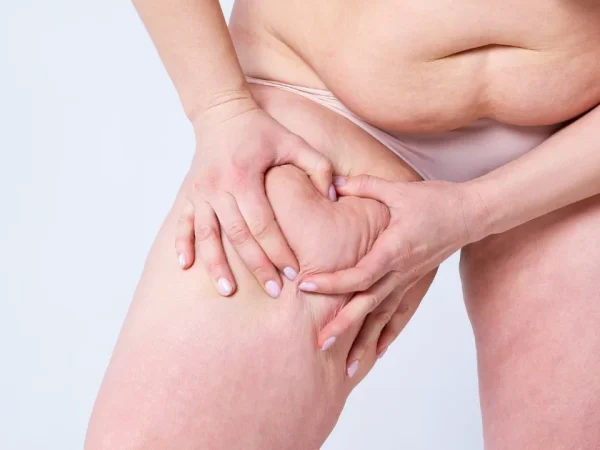
Lipedema is a long-term condition that causes excess fat to accumulate in the lower body, typically the thighs, calves, and buttocks. This fat growth is symmetrical and unresponsive to calorie restriction or physical exercise, which frequently results in misdiagnosis as obesity. It impacts nearly 11% of adult women globally, but is underdiagnosed and misunderstood.
Early diagnosis is key because lipedema can advance and lead to mobility problems and pain. Without proper recognition, individuals face social stigma and prolonged treatment.
The Condition
Lipedema is a connective tissue disorder that primarily impacts women. It causes an accumulation of painful fat beneath the skin. This fat is not the same as regular body fat. Unlike normal weight gain, lipedema fat doesn’t disappear with diet or exercise.
Hormones play a strong role, with symptoms frequently beginning or worsening at times of puberty, pregnancy, or menopause. A family history of lipedema is common, revealing its genetic background.
The disorder may manifest alongside other medical issues. Some lipedema patients can have lymphedema, fluid accumulation in the limbs, or Ehlers-Danlos syndrome, a connective tissue disease that impacts joints and skin.
The Symptoms
-
Persistent swelling in the legs, thighs, hips, or arms
-
Pain or tenderness in affected areas
-
Skin feels soft, doughy, or cool to the touch
-
Easy bruising without clear cause
-
Changes in skin appearance, such as dimpling or nodules
-
Difficulty with mobility or daily activities
-
Emotional distress, body image concerns, and chronic pain
Easy bruising and skin changes can confound physicians and result in misdiagnoses. These symptoms frequently frustrate patients as they search for answers.
Emotional effects, like anxiety or depression, are typical due to persistent pain and visible alterations. Recognizing these signs early is vital to getting the appropriate care.
The Stages
-
Stage 1: Skin is smooth but tissue feels thicker. Swelling is minimal and subsides overnight.
-
Stage 2: Skin becomes uneven, with indentations or nodules. Swelling is steadier and more difficult to reduce.
-
Stage 3: Larger fat deposits form folds or lobules, especially at knees or hips. Mobility can be restricted.
-
Stage 4: Severe fat overgrowth and fibrosis. Lymphedema can form. Walking and caring for myself are considerably more difficult.
Lipedema in its initial phases might not induce significant pain or edema and thus it tends to be overlooked. In advanced stages, the accumulation of fibrotic tissue complicates treatment and causes increased pain.
Recognizing the symptoms and the stages of lipedema allows physicians and patients to plan more effective treatment and to slow down the disease.
Defining Medical Gaslighting
Medical gaslighting is when a care provider minimizes a patient’s symptoms, leaving them to doubt themselves, their bodies or their health. This is true for a lot of health issues, but it’s a huge problem for lipedema patients. Lipedema is a chronic disorder of fat accumulation in the legs and arms, frequently accompanied by pain and swelling.
When doctors dismiss these symptoms, patients can go without a proper diagnosis or assistance for years. Societal biases, particularly surrounding women’s health, can exacerbate this. Numerous female lipedema patients report their symptoms are attributed to lifestyle or weight instead of regarded as medical issues.
To combat this issue and ensure that more people receive the care they deserve, increasing awareness among medical providers is crucial.

1. Dismissive Language
Doctors can say things like, “a little fat is part of being a woman,” or, “You just have to lose weight,” when someone describes lipedema symptoms. This sort of language can make a person feel their pain isn’t legitimate or worth investigating. Once patients feel brushed off, they’re less likely to speak up again or get second opinions.
When doctors deploy words to belittle or dismiss symptoms, trust fractures quickly. Be mindful of your communication. It’s crucial for medical professionals to use transparent, respectful language and hear what patients are saying, even if symptoms don’t fall into typical patterns.
If patients are met with dismissive remarks, they shouldn’t hesitate to request explanations or seek second opinions.
2. Misdiagnosis Patterns
Lipedema is frequently misdiagnosed as obesity or lymphedema. This can result in ineffective treatments, such as diets or compression therapies designed for other ailments. Like so many lipedema warriors, they went years without an accurate diagnosis.
This delay can translate to more pain and more complications down the road. I’m wondering if doctors need to know what makes lipedema different — such as how fat accumulates in certain areas and doesn’t respond to diet or exercise. Improved education and new protocols can reduce the rate of mis- or missed diagnoses.
3. Patient Blame
Blaming patients for their situation is endemic. Patients with lipedema are frequently told that it’s their fault due to how they eat or move. This can shame or guilt people. It’s not only unhelpful, it’s unjust.
Lipedema is not lifestyle induced. Treating it like a personal failure keeps people from getting help. Doctors and society at large must recognize lipedema for what it is—a medical concern deserving compassion and treatment, not fault.
4. Symptom Invalidation
Symptom invalidation is when a doctor tells a patient that their symptoms don’t matter or aren’t real. With lipedema, this is frequent. Patients hear their swelling or pain is in their head, which can isolate them.
When doctors don’t believe what patients say, it’s difficult for patients to trust medicine. Appreciating and believing symptoms earns trust and results in improved attention.
5. Psychological Toll
Living with lipedema can be hard on your psyche. A lot of us just cope with anxiety or depression due to the way our body feels or looks. Chronic pain can exacerbate mental health issues.
Doctors need to see the whole person, not just the body. Good care includes caring for the mind as well as the body. We need more awareness of the mental facet of medical gaslighting.
The Diagnostic Hurdle
Lipedema is frequently undiagnosed for years. Some people encounter genuine diagnostic obstacles, such as physicians who haven’t heard of the illness or dismiss symptoms as weight gain or stress. Unawareness is a major obstacle.
Women in particular say physicians label symptoms as anxiety, depression, or propose mental health issues rather than investigate physical causes. Research reveals patients may wait over a decade for the correct diagnosis. This lag can translate to years of suffering, anguish, and at times, trauma from not being validated.
Clinical Indicators
-
Intractable bilateral fat accumulation occurs in the legs, thighs, and hips.
-
Painful fat deposits that bruise easily
-
Minimal swelling in the feet or hands
-
Skin feels soft but lumpy
-
No response to diet or exercise
-
Family history of similar symptoms
-
Imaging confirmation (ultrasound or MRI showing subcutaneous fat changes)
Physical exams can identify fat masses that are painful on pressure and inconsistent with typical fat distribution associated with obesity. This pain and fat distribution can help indicate lipedema versus other diagnoses.
Imaging makes the diagnosis more clear. Ultrasound or MRI can demonstrate subcutaneous fat alterations and occasionally exclude other conditions. These tests provide additional evidence to help confirm the diagnosis.
Standardized diagnostic criteria assist physicians in diagnosing lipedema early and prevent misdiagnoses. Currently, in the absence of established guidelines, too many doctors overlook the hints, resulting in misdiagnoses or extended delays.
Differentiating Conditions
|
Feature |
Lipedema |
Obesity |
Lymphedema |
|---|---|---|---|
|
Fat Distribution |
Legs, hips, arms |
Whole body |
One limb, uneven |
|
Pain |
Common |
Rare |
Rare |
|
Bruising |
Frequent |
Uncommon |
Uncommon |
|
Swelling in Feet |
Absent |
Possible |
Present |
Understanding the distinction aids appropriate treatment. Lipedema, obesity, and lymphedema all appear similar, yet each requires a distinct strategy.
A quality physician will review your history and perform a thorough examination. These measures assist in clarifying what is in fact occurring.
It facilitates learning by analogy about related conditions. Informed patients who understand what questions to ask and what information to reveal can have more productive conversations with their physicians and advocate for appropriate tests.
Finding A Specialist
It usually takes one long search to find a doctor who understands how to diagnose and treat lipedema. Too many GPs don’t get it, so a specialist makes a huge difference.
A team approach works best. Lymphedema therapists, nutritionists, and doctors can each contribute a piece to the care puzzle. They collaborate to facilitate diagnosis and treatment.
Support groups and online communities are fantastic places to collect the names of trusted doctors. Stories of other patients can help guide you.
When consulting a new specialist, inquire if they’ve treated lipedema previously and how they make the diagnosis. Search for definitive solutions and expertise in cases similar to yours.
Systemic Biases
Systemic biases in healthcare influence how diseases such as lipedema are identified, diagnosed, and treated. These biases can originate from ingrained beliefs, training deficiencies, and social incentives, frequently resulting in medical gaslighting. One such instance where these problems converge is lipedema, impacting individuals across identities but predominantly women and the frequently ostracized gender and weight groups.
Gender Bias
Gender bias in healthcare can do real damage, particularly with conditions that primarily impact women, such as lipedema. Many women say that their grumbling about pain or swelling is minimized or labeled as beauty-related or just “typical” for women. This attitude isn’t new. Women’s health issues have long been neglected or misinterpreted in medical research and practice, with studies predominantly targeting men, creating gaps in understanding around women-specific conditions.
This bias causes women to not receive the appropriate tests, referrals, or treatment. For instance, a woman with lipedema could be advised to simply shed some weight or increase exercise, when in reality, this is a lifestyle-related condition. This can generate a feedback loop of women with lipedema feeling gaslit, dismissed, or even at fault for their symptoms, making it more difficult for them to pursue the treatment they require.
Recognizing and addressing these biases is crucial for healthcare professionals. Equitable healthcare means each person gets the same quality of care, regardless of gender. Providers need to reflect on their own assumptions and work to give every patient, including women with lipedema, a fair chance at diagnosis and effective treatment.
Weight Stigma
Weight stigma is a term for weight-based bias, which means negative perceptions of or prejudiced behavior against individuals because of their weight. For those with lipedema, this stigma can be particularly harmful. They are health care professionals who would assume swelling or pain is from obesity or lifestyle and miss the details of lipedema.
As a 2015 study in Obesity Reviews noted, weight bias can reduce the quality of care and lead to worse health outcomes. We tend to mislabel the symptoms, so we often misdiagnose them late. Patients might be instructed to lose weight, despite the fact that conventional weight loss techniques do not treat lipedema. Stigma does emotional damage, making folks feel ashamed or responsible for their symptoms.
Compassionate care prioritizes health over weight. A comprehensive approach is required, where providers concentrate on the distinct characteristics of lipedema and grasp the intricacy of the disease rather than just the patient’s weight.
Educational Gaps
Most general practitioners have not received specific training on lipedema and related disorders. These gaps result in patients going years, even decades, without appropriate diagnosis. Others are not trained to recognize the signs or confuse lipedema with more typical ailments such as general obesity or lymphedema.
Continuous training is required to transform how lipedema is diagnosed and treated. By incorporating patient perspectives into medical education, future providers learn what lipedema feels like, not just what it reads like in a textbook.
Awareness campaigns can assist both patients and providers in recognizing the symptoms and knowing when to pursue further evaluation. We need further research and clinical guidelines so that lipedema is not ignored or misdiagnosed and patients can receive prompt, appropriate treatment.
Patient Empowerment
Lipedema patients are frequently hindered from receiving a clean diagnosis and appropriate care, which contributes to feelings of frustration, shame, and self-blame. Most have said they were brushed off or not listened to by doctors or nurses. Empowerment is about providing patients with the resources and support they need to become active participants in their care, enhancing their outcomes and experiences.
Document Everything
A comprehensive record enables patients to stay informed of the symptoms, treatments, and general condition post-visit. A checklist simplifies recording pain, swelling, and bodily changes. Record what you observe on a daily basis, such as heaviness or aching in your limbs and new symptoms.
Take this to appointments to demonstrate obvious trends. Track progress or regression when swelling gets worse or pain starts to trigger. This can aid in identifying triggers, from prolonged standing to foods. Symptom diaries or mobile apps are great, allowing patients to log details quickly and check back on trends.
Having these notes on hand facilitates sharing information with new doctors or specialists. Notes can be a powerful weapon in the consultation. When a patient presents well-documented notes, it validates their experience and assists providers in taking their concerns more seriously. This lessens the risk of being brushed off or misheard.
Seek Second Opinions
Getting a second opinion is crucial if you feel brushed aside or unheard. It assists in confirming the diagnosis and provides additional therapeutic choices. Lipedema may resemble other conditions, and a new perspective will save you from having it misdiagnosed.
Going to different specialists, such as vascular doctors and physical therapists, injects broader expertise. All can catch what the others overlook, resulting in superior treatment. If the initial provider doesn’t come through, don’t stop looking. Patients who advocate for answers are more likely to receive appropriate assistance.
Approach second opinions with an open mind. Be educated about your condition, and be open to new thoughts. This results in a richer, more accurate image of what is occurring.
Build Your Team
Put together a team of providers that are familiar with lipedema. This should encompass doctors, therapists, and nutritionists who are accustomed to complex chronic conditions. Being part of a strong team empowers patients and makes adherence to treatment easier.
Co-creation is essential. When professionals collaborate and exchange information, care is more holistic. Patients can request provider recommendations or reviews from the lipedema community. That common experience can now lead folks to trusted and skilled care teams.
An encouragement team can transform a patient’s health odyssey. Those who feel affirmed and empowered are more likely to follow through and fare better.
Use Correct Terms
Specific words are important. Utilizing words such as “lipedema,” “adipose tissue,” and “lymphatic dysfunction” gets providers to listen to patients. This sidesteps conflation with other illnesses like obesity, which results in stigma and bad treatment.
Patient empowerment is key and learning the medical language for lipedema can make your advocacy stronger. Patients who use the proper terminology demonstrate that they’re educated, which helps them receive appropriate assistance. Clear communication reduces the potential for mistakes and aids physicians in selecting optimal treatment options.
Provider Perspective
Healthcare providers operate in a world of intense time pressure and increasing demands. For lipedema and similar diseases, low awareness renders diagnosis difficult. Most physicians have just minutes per patient. This hurry can hinder serious dialogue and thorough testing, particularly for diagnoses that are complex or ambiguous.
Electronic records and online patient messages add more work, making it harder for providers to keep up with new research.
Acknowledge Limitations
Physicians are inundated with new research and guidance every year. Too many can’t keep up with every new disease or evolving best practice, which leaves gaps in their knowledge. For lipedema, this unawareness translates into general practitioners confusing it with obesity or lymphedema, resulting in a missed or belated diagnosis.
Humility does have its place in medicine; owning what you don’t know is important. Providers who listen to patients and seek outside help, like consulting with specialists, can bridge these gaps.
Multidisciplinary collaboration between primary care, dermatology, and vascular medicine, for example, aids in pooling knowledge and enhancing treatment. Continued medical education is necessary so providers can keep current and not make errors, particularly since medical errors are still a leading cause of injury.
Improve Listening
Active listening is key. From the provider perspective, when providers take time to let patients talk, it builds trust and opens the lines of communication. When doctors concentrate exclusively on symptoms or lab numbers, they can overlook the patient’s entire narrative.
This regularly results in patient frustration, particularly for patients with chronic or poorly understood conditions. Even the smallest things can help. Crafting a nurturing environment, where a patient is felt and treated as a human, goes a long way.
Being a good listener results in better diagnoses by picking up hints that might not be reflected in tests. Empathy isn’t just nice; it colors how patients experience their care and can even influence outcomes. For marginalized groups like Black and Hispanic patients, empathy and good listening can help break down those persistent obstacles to equitable care.
Adopt New Criteria
Standardized guidelines are necessary to assist physicians in identifying lipedema during its earlier stages and providing effective treatment. New diagnostic criteria, research-based, help providers know what to watch for.
Research is still shifting expert perspectives on lipedema, so providers must stay up to date with new clinical findings. By leveraging current evidence, providers can deliver superior and standardized care.
Adopting a learning mindset and being flexible enough to implement new research when practice is busy or insurance restricts care can result in improved patient outcomes.
Conclusion
It takes time, attention, and keen eyes on the part of patients and medical professionals alike to identify lipedema. Clinic gaslighting has the effect of delaying actual assistance and confidence. Many lipedema patients have horror stories about medical gaslighting, being told their pain or swelling is ‘all in their head’. Health workers can reverse that by listening carefully and recognizing the symptoms. Patients who are more informed about lipedema can advocate and demand appropriate testing. Every trust-building, straightforward step advances care. To find out more or get assistance, contact a local support group or a lipedema-aware health worker. Keep questioning, keep seeking support, and keep hope near.
Frequently Asked Questions
What is lipedema and how is it different from obesity?
Lipedema is a progressive fat disorder, primarily impacting the legs and arms. In contrast to obesity, lipedema fat is typically painful and does not dissipate with diet or exercise.
What does medical gaslighting mean in the context of lipedema?
Medical gaslighting occurs when a patient’s concerns, such as lipedema symptoms, are dismissed or minimized by healthcare providers. This results in delays in accurate diagnosis and treatment.
Why is lipedema often misdiagnosed?
Lipedema is misdiagnosed as obesity or lymphedema. Most providers are not familiar with its unique symptoms, so it is often misdiagnosed or ignored.
How can patients advocate for themselves during diagnosis?
Patients can log symptoms, bring research to appointments, request second opinions, and request referrals to specialists knowledgeable about lipedema.
What are some common signs of systemic bias in lipedema diagnosis?
Systemic bias can range from providers blaming weight to not listening to pain reports to refusing to consider lipedema in the differential diagnosis, particularly in women.
How can healthcare providers improve lipedema diagnosis?
Providers can educate themselves about lipedema, hear their patients out, and send them to specialists if necessary. Continuing education is crucial.
Is there a cure for lipedema?
There’s no cure for lipedema at this point. Management is treatment-based and includes compression therapy, manual lymphatic drainage, and occasionally, specialized surgery.