

Key Takeaways Lipedema is a long-term disorder of abnormal fat deposition, primarily in the legs and buttocks, which leads to swelling, tenderness, and pain. Easy bruising is not a direct symptom of lipedema but may occur due to related factors such as fragile blood vessels, tissue changes or impaired lymphatic drainage. Thorough investigation, including clinical […]

Understanding Lipedema and Cankles: Causes, Symptoms & Treatment
Key Takeaways Lipedema is a long-term disorder that results in irregular fat accumulation in the legs, primarily seen in women, and is frequently misidentified as obesity or other medical conditions. Lipedema cankle appearance is caused by fat and fluid retention. It has physical and psychological impacts. Early identification and proper diagnosis are important because lipedema […]
Lipedema Awareness Month Events and Resources 2026
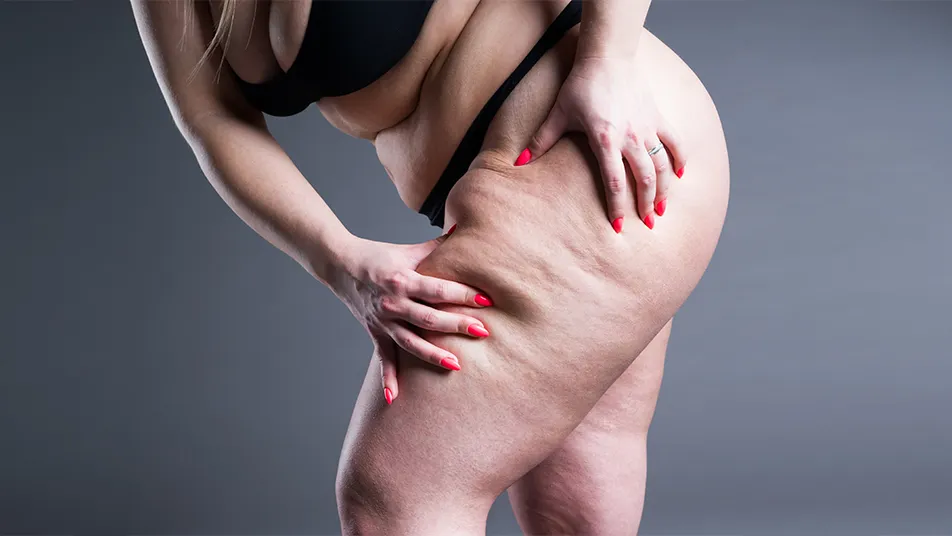
Key Takeaways As lipedema is a chronic condition that’s frequently overlooked, raising awareness and providing education is crucial for timely diagnosis and management. Attending worldwide events, online summits, and neighborhood meetups during Lipedema Awareness Month are a great way to build community and educate yourself. Through educational webinars and social media campaigns, lipedema awareness month […]

Is Lipedema Considered a Disability for Benefits Eligibility?
Key Takeaways Lipedema is a debilitating health disorder with specific signs and stages that may affect one’s lifestyle, ability to maintain employment and psychological health. Accurate diagnosis and staging are crucial not only for adequate treatment but when applying for disability, as lipedema is frequently misdiagnosed or dismissed. Extensive medical records, professional evaluations, and in-depth […]
Lipedema Liposuction Complications: What You Need to Know
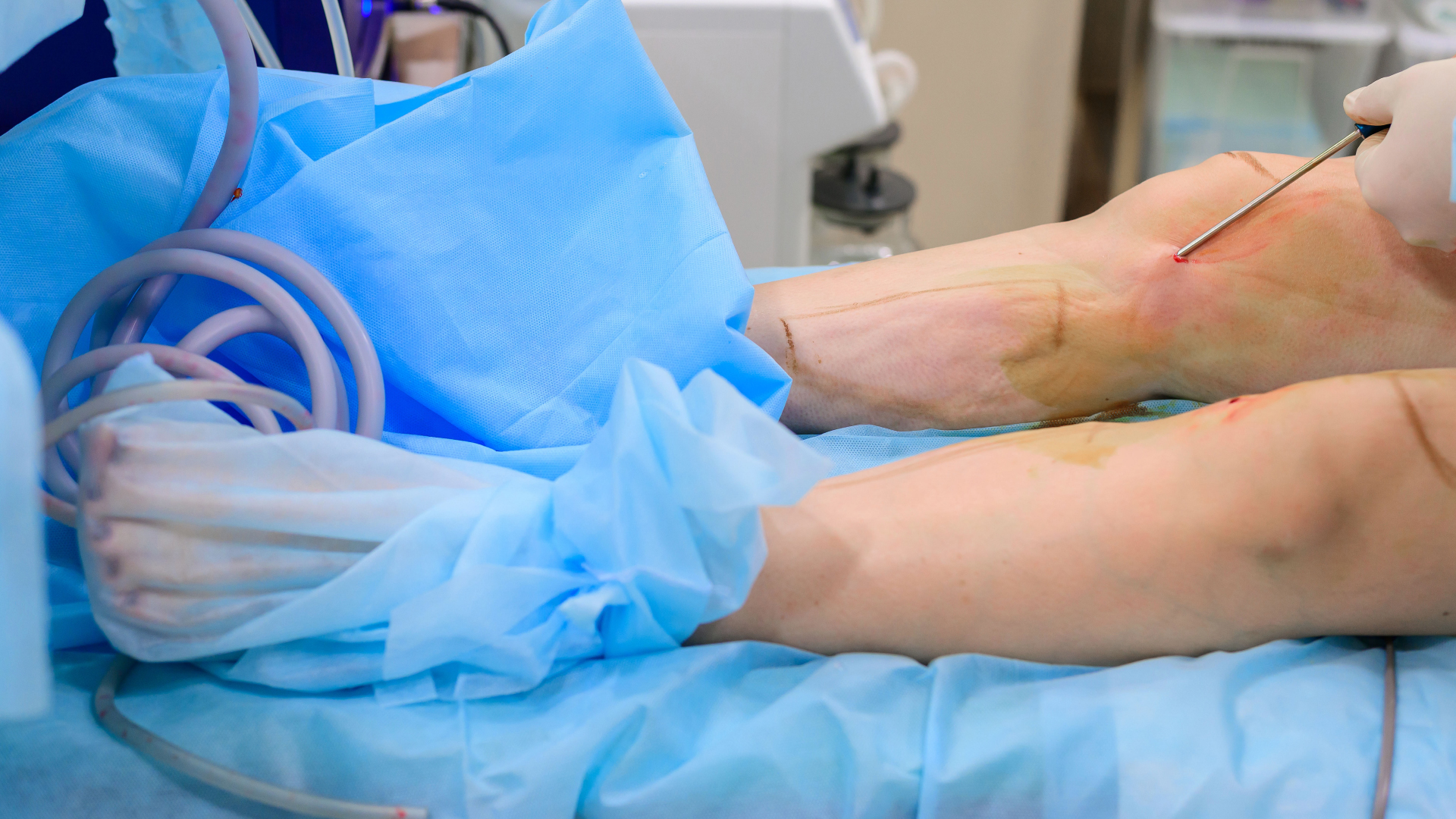
Key Takeaways Lipedema is a chronic disorder characterized by an abnormal accumulation of fat in the limbs, causing pain, swelling, and limited mobility. This can severely impact quality of life. Liposuction for lipedema carries risks such as infection, bleeding, lymphatic damage, and uneven results. This makes careful preoperative assessments and experienced surgical teams essential. Immediate […]
The Importance of Nighttime Compression for Lipedema
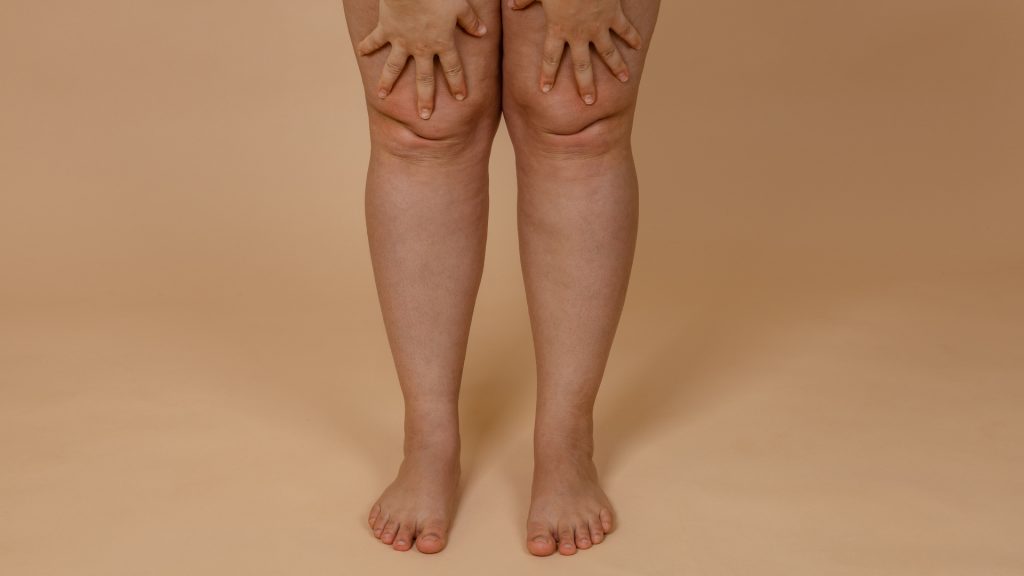
Key Takeaways Nighttime compression aids lymphatic health and tissue integrity. It assists in minimizing edema and pain in individuals with lipedema. Wearing compression garments diligently at night can reduce pain levels, reduce limb swelling, and encourage softer tissues. Clinical studies and expert opinion emphasize the advantages of nighttime compression within a holistic lipedema treatment plan. […]

Knee Pain from Lipedema and How to Find Relief Solutions
Key Takeaways Lipedema is a long-term disorder characterized by abnormal fat accumulation, primarily in the legs and thighs, that often results in severe knee pain from excess weight and tissue compression. Lipedema knee pain is due to mechanical stress, inflammation, altered gait, and increased tissue pressure around the joints. Proper diagnosis matters because knee pain […]

How to Measure for Lipedema Compression Stockings
Key Takeaways How to measure for lipedema compression stockings Be sure to use a soft measuring tape and a consistent technique to measure both your affected and unaffected limbs at key landmarks, such as the ankle, calf, and thigh. Measure at the same time daily, preferably in the morning, to accommodate fluctuations in swelling and […]

Pneumatic Compression Pump for Lipedema Management at Home
Key Takeaways Early diagnosis and awareness of lipedema are crucial for management and symptom relief, as symptoms and progression can vary significantly from person to person. Pneumatic compression pumps aid lymphatic drainage and can be used safely at home, providing an accessible and affordable method to help minimize swelling and discomfort when incorporated into lifestyle. […]
Lipedema Type 1: Symptoms, Diagnosis & Treatment Options
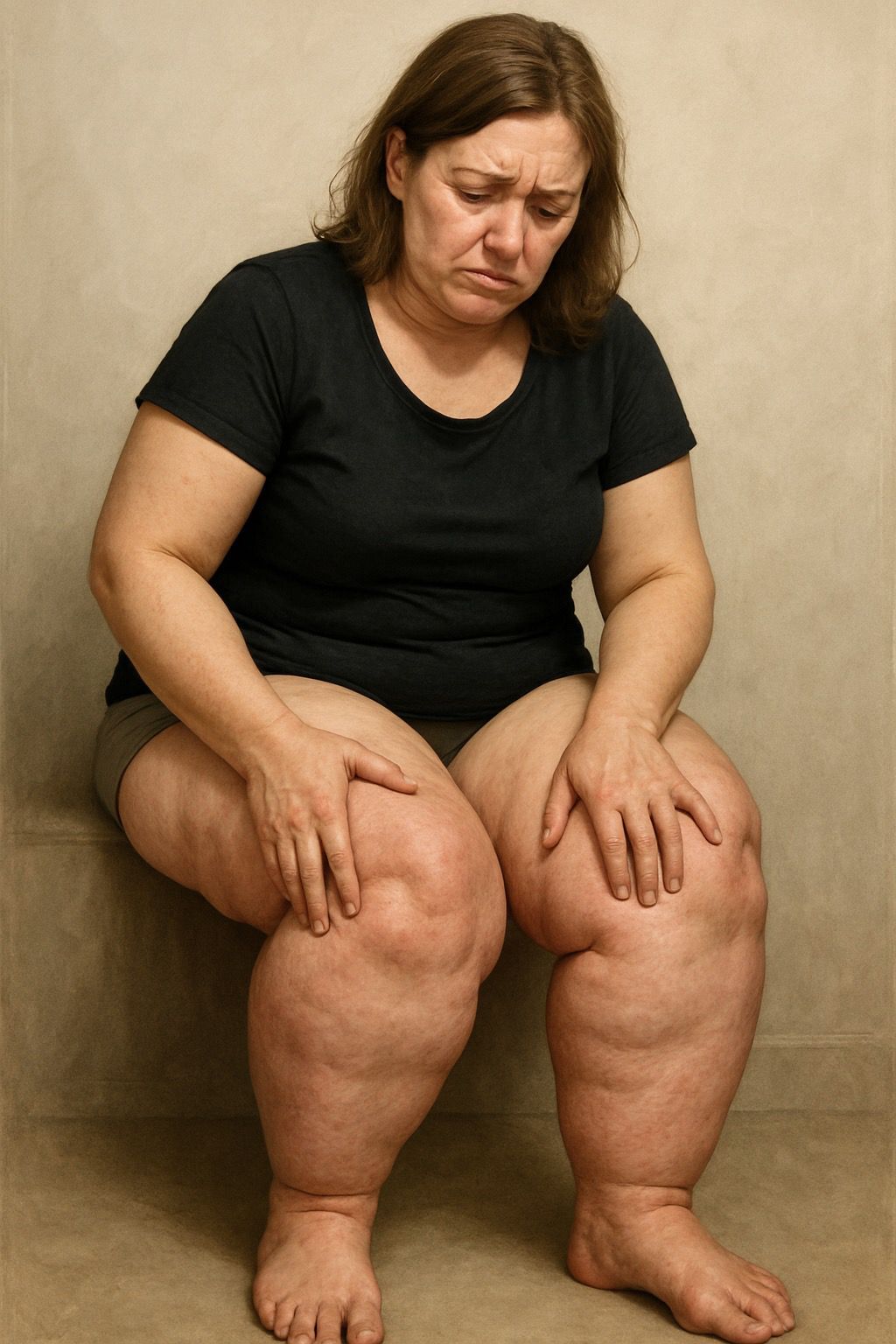
Key Takeaways Lipedema type 1 exclusively involves the legs and can lead to significant discomfort, fat accumulation, and swelling that can become debilitating if not addressed quickly. Proper diagnosis is key. Lipedema is different from obesity and lymphedema and responds to specific treatments for best outcomes. Conservative treatment strategies such as compression therapy, manual lymphatic […]