

Key Takeaways To combat these challenges, newer technologies like energy-assisted, water-jet, and power-assisted liposuction have enhanced precision during fat removal and spared lymphatic and vascular structures. This improvement leads to better cosmetic outcomes and minimizes postoperative edema. Imaging, robotic help, and AI-driven planning are increasingly steering surgery for safer, more consistent results and helping to […]

Can pregnancy make lipedema worse? I Managing Symptoms & Care
Key Takeaways Pregnancy can set off or exacerbate lipedema through hormonal changes and increased fluid retention due to the additional physical pressures. Observe your symptoms and inform your care team of any changes. Mix in daily self-care measures such as nutrient-dense eating, gentle movement, compression, elevation, and good hydration to control swelling and pain. Implement […]
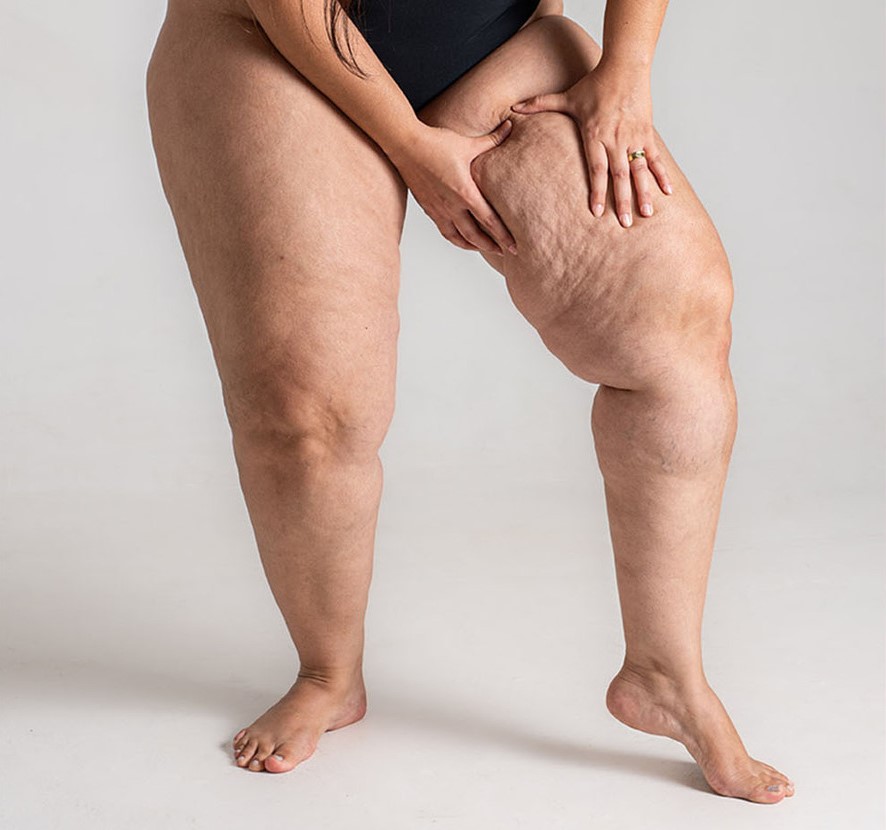
Lipedema Awareness and Treatment: Advances, Challenges, and the Road Ahead
Key Takeaways Educate physicians on lipedema so they can distinguish it from obesity and lymphedema. Implement case-based learning in medical education for better practical diagnosis. Push diagnostics forward with biomarker development, imaging standardization, and genetic exploration for earlier and more consistent detection and staging. Broaden treatment avenues through collaborative research into medications, optimized surgery, conservative […]
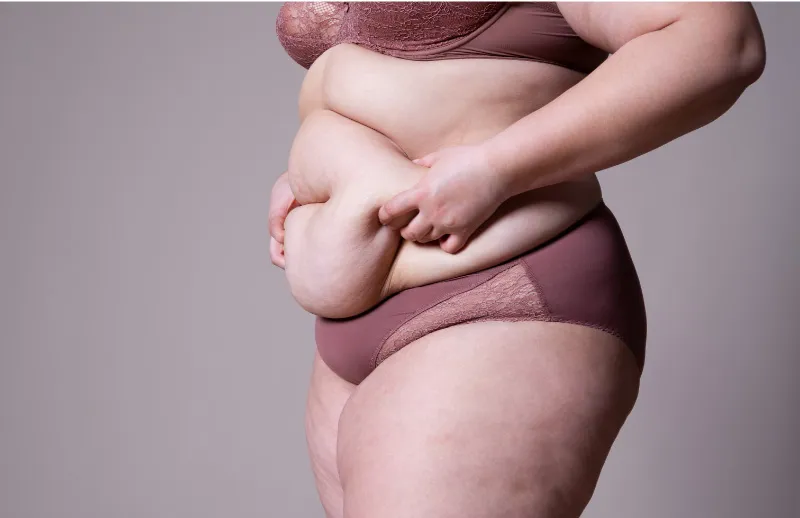
Lipedema and Metabolic Health: Clinical Features, Research Insights, and Implications for Management
Key Takeaways Lipedema and metabolic paradox fat is significant yet maintains insulin sensitivity. Therefore, continue to monitor water glucose metabolism to detect changes early. Blood lipid profiles are often healthier than in standard obesity, but you should monitor cholesterol and triglycerides over time to catch developing risks. Local tissue inflammation and lymphatic dysfunction fuel symptoms […]

Lipedema and Mobility Aids: When Conservative and Surgical Options Improve Function
Key Takeaways When lipedema causes painful limb swelling that further limits mobility and increases risks for skin issues and infections, consider aids early to protect joints and skin and maintain independence. Configure Mobility Aid – Match the mobility aid to disease stage, strength, and daily needs by choosing canes for mild instability, walkers for greater […]
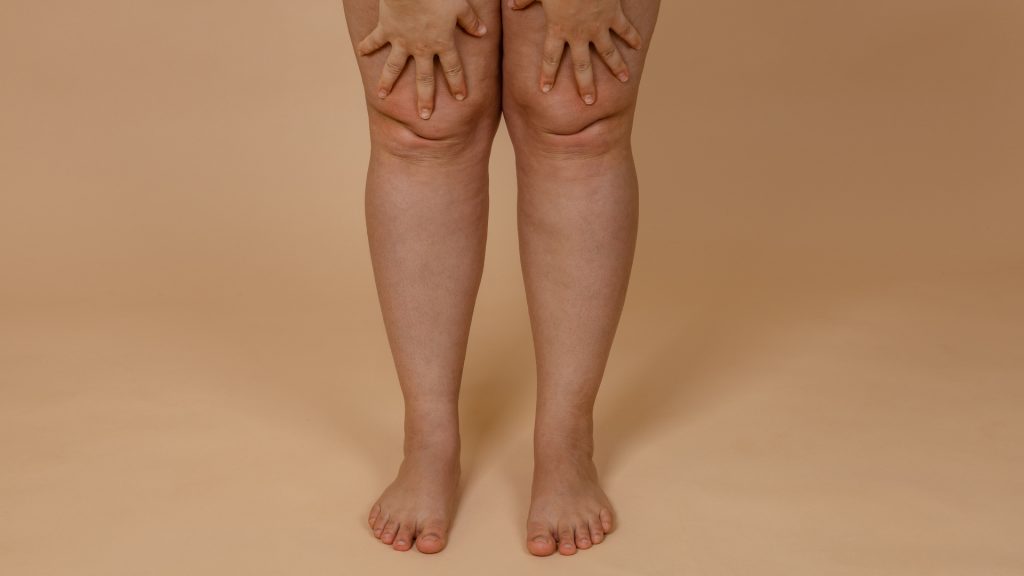
Lipedema Compression Garments: Choosing the Right Support and Fit
Key Takeaways Compression enhances lymphatic flow and reduces fluid retention. It assists in lowering pain and limb heaviness when worn regularly and paired with disease stage. Select the appropriate compression level and fabric, measure your limbs correctly, and seek advice from a certified lymphedema therapist to prevent circulation issues. Seek out garment features such as […]

Lipedema Skin Care: Practical Routines, Common Concerns, and Self-Care Tips
Key Takeaways As lipedema is a chronic fat disorder, lipedema skincare routines focus on skin health and circulation. Early diagnosis and a coordinated care plan that includes lymphedema and edema treatment is essential to prevent infections and worsening skin damage. Set up a delicate everyday regimen. This includes mild cleansing, carefully targeted gentle exfoliation, and […]

Lipedema at Work: Symptoms, Struggles, and Solutions
Key Takeaways Lipedema can cause chronic pain, swelling, and limited mobility that impact your work output and increase disability days. Therefore, ask for ergonomic accommodations and flexible hours to accommodate your symptoms. Emotional strain and stigma often accompany lipedema and impact confidence and mental health. Cultivate workplace support networks and explore counseling or peer groups. […]
Lipedema Pain Management: Strategies, Treatments, and Emotional Support
Key Takeaways Lipedema is a long-term fat disorder that leads to bilateral limb enlargement, tenderness, and bruising and needs identification separate from obesity for prompt treatment. See a clinician if symptoms correlate and then review diagnostic factors such as limb symmetry and foot sparing. Pain is frequently disproportionate to visible swelling and recalcitrant. It responds […]

Managing Lipedema During Pregnancy: Challenges, Fertility Treatments & Care Guidance
Key Takeaways Pregnancy may exacerbate lipedema, bringing on flare-ups of swelling, pain and pressure sensitivity. Be sure to monitor them and modify care with your provider to minimize discomfort and complications. Stay mobile with mild, low-impact exercise and wear medical compression stockings daily to promote circulation and facilitate walking. Distinguish lipedema from normal pregnancy edema […]