

Key Takeaways
-
By combining surgical and conservative treatments, you get the best of both worlds. This approach improves symptom relief and cosmetic outcomes by addressing both diseased fat and associated edema. Patients should discuss integrated plans with their clinical team.
-
Staged procedures minimize surgical risk and facilitate healing by addressing the most affected areas first and permitting clinical re-evaluation between sessions.
-
Customize treatment with symptom severity scales, body composition analysis, and patient preferences to inform the choice of surgical technique and continuous conservative care.
-
Wherever possible, long-term success requires ongoing conservative management post-surgically, including compression, exercise and metabolic support to avoid recurrence.
-
Add mental health support and lifestyle integration to the plan of care to enhance adherence, quality of life, and overall recovery.
-
Patients have an active role by monitoring symptoms, setting practical goals, adhering to post-op care, and participating in follow-up care to maximize results.
Combining treatments lipedema is when you use more than one treatment approach for lipedema. Popular cocktails combine conservative care like compression and manual lymphatic drainage with surgery like liposuction.
Objectives include pain control, increased mobility, and deceleration of disease progression. Treatment varies by stage, patient needs, and access to care.
The bulk of the post details the science, actionable strategies, and how to select safe, effective combinations.
Why Combine?
Combining treatments for lipedema makes a more comprehensive plan than single therapies in isolation. Our layered approach combines conservative care with targeted surgery to address abnormal fat, alleviate pain, and restore function. Here are the top reasons clinicians and patients opt for combined paths, with concrete examples and tips on strategy.
1. Synergistic Effects
Pairing liposuction with manual lymphatic drainage and compression offers more significant advantages than either alone. Tumescent liposuction and power-assisted liposuction can be combined to remove diseased fat gently while preserving lymphatics.
Structured post-op compression and daily bandaging reduce edema and support skin retraction. Manual massage and pneumatic devices accelerate fluid return post surgery and help reduce bruising.
By combining these steps, we’re targeting both the fat deposit and secondary lymphedema that often develops, reducing patients’ chronic pain and improving their mobility. Research demonstrates that conservative care such as exercise and compression should continue after surgery, not stop, for best results.
Some patients add skin tightening if tissue is lax, which can enhance cosmetic results and comfort.
2. Staged Approach
By staging surgery over multiple sessions, it minimizes tissue trauma and allows time for healing. For example, by treating the thighs first and then the lower legs later, clinicians can measure wound healing, swelling patterns, and functional gains before continuing.
This series shortens extended operative time and decreases infection risk. Between stages, conservative care including customized compression, targeted exercise, and lymphatic therapy can put the tissue in the best shape possible and frequently alters the plan for future stages.
Staged plans allow mixing and matching liposuction techniques between sessions. For example, the tumescent technique can be used first and then power-assisted tools can tackle more fibrous locations, making every pass more targeted and less harsh.
3. Personalized Care
Efficient combined care is constructed from symptom surveys, body composition scans, and medical history. Surgeons select technique and timing based on fat distribution, skin quality, and comorbidities.
The immobile patient could begin with deep compression and pre-op physio. A different patient with acute disproportion might jump straight to surgical resection paired with post-op rehab.
Patient preference, work and family life, and a tolerance for staged recovery all help to shape the roadmap. Personalization decreases complications and increases compliance with long-term interventions.
4. Long-Term Success
Surgery for debulking, conservative therapy for stabilization. Routine evaluation of fat and symptom scores directs the follow-up care and possible touch-ups.
Continued workouts, compression leggings, and dietary changes keep it from coming back and aid metabolic health. Combining methods promotes permanent change in body image and function.
5. Holistic Well-Being
Hit mental health, hit structured exercise, hit custom massage, and hit anti-inflammatory diet eliminate pain and improve mood. Mix in some self-care to tame swelling and bruising.
The Foundation
The Foundation orchestrates core lipedema care principles and hosts a Lipedema Registry to unify patients, clinicians, families, and researchers. Launched in 2020, this registry supports tracking outcomes, illuminates evidence gaps, and informs practice as many treatment questions remain unanswered.
Early, protocol-driven conservative care is the floor before surgery enters the equation. It is designed to decrease swelling, relieve pain, and increase function so subsequent interventions are more successful.
Conservative Care
-
Manual lymphatic drainage and pneumatic compression eliminate swelling and fluid accumulation.
-
Graduated compression garments, fitted for limb shape and activity.
-
Specific physical therapy for range of motion, gait, and lymphatic flow.
-
Anti-inflammatory diet, metabolic support, and weight loss medications if indicated.
-
Skin care and scar prevention to maintain tissue integrity.
-
Consistent outcome tracking with symptom scales, limb volume measurements, and patient-reported function.
Weight loss medicines and metabolic care when obesity or metabolic disease co-exist can improve glycemic control and systemic inflammation, which can help with symptoms. Routine massage and skin care maintain connective tissue integrity and reduce subcutaneous edema, such as moisturizing daily, gentle hygiene, and professional manual therapy once a week.
Follow treatment outcomes with subjective instruments like pain and function questionnaires and with objective instruments such as circumference or bioimpedance.
Lifestyle Integration
Promote regular workout regimens that combine low-impact cardio and strength training. Pilates, swimming, and power walking support your lymph flow and core strength, while resistance training preserves muscle when you shed weight. A sample week could consist of 30 minutes of moderate cardio five days a week and two light strength sessions.
Nutritionally, they emphasize cutting back on refined carbohydrates and boosting quality protein and fiber to assist fat burning and glycemic control. Mediterranean-style patterns tend to translate well across cultures.
Everyday active compression leggings provide support to your tissue, help reduce lymphedema, and enhance comfort during activity and rest. Stress reduction, be it breath work, short daily walks, or counseling, can cut cortisol, which influences weight and inflammation and thereby supports other treatments.
Mental Health
-
Access to counseling, cognitive behavioral therapy, and trauma-informed care.
-
Peer support groups and online community forums connected to the Registry.
-
Educational content on body image, self-care, and dealing with chronic symptoms.
-
Routine mental health screening integrated into clinic visits.
Offer counseling and peer support for low energy, hopelessness, and self-esteem. Eating disorders require special attention. Incorporate mental health check-ins into treatment plans to gauge progress and detect decline early.
Holistic care enhances physical results. Patients who say they are in a better mood tend to do better with ambulation and wear compression, exercise, and diet better.
Research gaps remain: a consensus guideline from May 2021 helps standardize diagnosis and care, and some small studies suggest procedures like CoolSculpting might help a subset of patients. Evidence is limited.
Many patients do get relief from pain, heaviness, and mobility after such coordinated treatment.
Surgical Synergy
Surgical synergy is when you combine surgical steps to enhance outcomes and reduce total risk. In lipedema care, this strives to harmonize fat extraction, lymphatic preservation, and skin shaping so results are both practical and aesthetic. Thoughtful scheduling, team collaboration, and imaging steer what techniques are combined and when to stage.
Technique Blending
Combine conventional suction-assisted liposuction with lymphatic sparing techniques to extract diseased fat while preserving lymphatics. Utilize microcannular and power-assisted techniques for delicate areas of work and supplement with laser or ultrasound-assisted tools when controlled heating can aid in skin retraction.
Awake or tumescent liposuction minimizes blood loss and enables immediate patient input to protect nerves. Smart lipo or liposculpture can provide skin retraction in areas with mild laxity, but thermal approaches need to be careful in close proximity to delicate tissue.
Intraoperative screening, including visual mapping, palpation, and ultrasound, helps customize depth and cannula selection. Examples: on the medial thigh, combine microcannula suction with lymph-sparing blunt dissection; on the knee, use tumescent anesthesia and superficial sculpting to avoid contour irregularity.
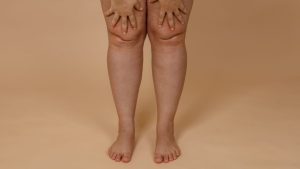
Staged Procedures
Plan multiple sessions for extensive or advanced lipedema rather than treating all areas at once. Staging reduces surgical time, lowers anesthesia exposure, and lets the team monitor lymphatic response before continuing.
A typical plan is to treat the lower legs first, assess swelling and mobility at 8 to 12 weeks, and then address the thighs. Use operative evaluation after each stage to decide about skin excision or additional contouring.
Document measurements, photographs, and functional scores to refine the next stage. Staged care can cut complication risk and often improves final symmetry and patient comfort.
Pre-Surgical Priming
Begin conservative care: manual lymphatic drainage, compression garments, and targeted exercise to reduce edema and ready tissue. Improve BMI and metabolic status; even minor weight loss reduces perioperative risk.
Inform patients on anesthesia options, anticipated swelling timelines, and scar patterns. Conduct thorough screening: coagulation profile, vascular exam, and imaging when needed. Good priming enhances tissue response and clarifies intraoperative decision-making.
Post-Surgical Support
Use structured aftercare: wound checks, graduated compression, and protocols for swelling control such as elevation and intermittent pneumatic therapy. Arrange routine post-op visits to detect seroma, infection, or lymphatic shifts early.
Surgical synergy physical therapy and slow return to activity maintain movement and increase lymphatic flow. Bolster long-term garment and lifestyle measures to maintain results.
When follow-up care is consistent and customized, surgical synergy can reduce overall recovery and increase contentment.
The Patient’s Role
About the patients’ role Patients are central to successful combined treatment for lipedema. Engaged patients influence decisions, steering intervention timing and impacting long-term results. Here are some specific places patients create a quantifiable impact on care.
Self-Advocacy
Monitor symptoms on a daily basis, making note of any changes in pain, swelling, bruising, and mobility. Keep track in a simple diary or app of when symptoms worsen or improve, what activities preceded changes, and garment wear time.
Take these notes to appointments so the surgical team can see patterns instead of depending on memory. Be candid about objectives and anxieties. Inform your clinician if you desire pain relief, enhanced mobility, or aesthetic alteration initially.
Don’t mention worries about surgery, scars, or recovery time. By communicating clearly and repeatedly, you enable the team to better match procedures and timing to your priorities. Understand all sensible alternatives. Learn about conservative measures, various liposuction techniques, staged surgeries, and adjunct therapies such as lymphatic drainage and physical therapy.
I request proof, anticipated metric-based results such as in centimeters of circumference and average recovery periods. Participate in peer support groups to compare real-life experiences. Listening to how other patients dealt with compression garments, staged surgery or recovery provides actionable advice.
Support groups can bring to the surface useful provider names and local resources.
Realistic Expectations
Set clear, measurable goals: specific pain score reductions, target circumference decreases, or mobility milestones. Know that liposuction takes away fat burden and typically enhances contours, but it’s not a cure. Maintenance is generally required.
Understanding limits of surgery. More advanced cases might require several procedures months apart. Staged interventions minimize risk and permit a slow, measured shaping, but they prolong the cumulative recovery window.
Expect common side effects like bruising, swelling, temporary numbness, and discomfort for weeks. Recovery is different for everyone, so schedule work, kids, and travel around your surgeon’s probable timelines.
Consistent Adherence
Adhere to post-op instructions exactly to accelerate recovery and reduce potential complications. Wear compression garments. Patients wore them for support (73%), pain alleviation (67%), and increased mobility (54%).
Wearing them every day or almost every day correlates to more symptom reduction and measurable size circumference decreases at thigh and calf. Know common garment problems: difficulty putting them on (77.7%), heat (72.1%), and poor fit (32.9%).
Many find them uncomfortable or ugly. If problems develop, report them early so providers can experiment with differing materials, grades or custom fits. Employ the minimum compression class that aids symptoms. In earlier stages, circular fabric pantyhose in ccL 2 can often provide quick relief.
Maintain physical therapy and a good diet. The patient’s role includes exercise and weight management to keep results. Anticipate some nonadherence, as approximately one-third of people cease compression occasionally.
Attempt minor habit tweaks to bolster adherence.
Navigating Recovery
Recovery from combined treatments for lipedema requires a defined plan encompassing the days post-procedures, weeks of healing and long-term care to maintain gains. This typically involves 4 to 6 weeks of activity restrictions for surgical healing. Some insurers mandate a minimum of three months of conservative care, which includes compression and manual therapy, prior to approving surgery.
Stages 0 to 3 of lipedema and hormonal influences such as puberty, pregnancy or menopause impact recovery requirements and risk of recurrence.
Immediate Aftercare
-
Checklist for immediate aftercare:
-
Clean incision care: Keep sites dry for the first 24 to 48 hours, then gently wash with mild soap and water. Be alert to swelling, increased redness, warmth or pus as indicators for infection.
-
Drain and dressing checks: Follow surgeon instructions on drain care and change dressings per schedule to avoid maceration.
-
Compression garments: Wear as directed, often continuously for the first 2 weeks and then during daytime for several more weeks. Fit right, less bleeding and edema.
-
Limb elevation and cold therapy: Elevate treated limbs above heart level when resting to limit swelling. Apply cold packs in 15 to 20 minute intervals for the first 48 to 72 hours.
-
Activity limits: No heavy lifting, no high-impact exercise, and avoid long standing or sitting for initial 2 to 6 weeks depending on extent of treatment.
-
Pain and meds: Take prescribed pain meds as instructed; consider supplements such as Pycnogenol, vitamin P, milk thistle, dandelion root, Eleuthro root, or Rhodiola only after clinician approval.
-
When to call: Severe pain uncontrolled by meds, fever over 38°C, spreading redness, increased swelling, or new numbness require prompt contact.
-
Long-Term Maintenance
-
Continue compression therapy: wear custom or well-fitted garments daily, especially during activity.
-
Maintain manual lymphatic drainage (MLD): schedule MLD sessions weekly or monthly based on symptoms.
-
Monitor body and symptoms: track weight distribution, mobility, and pain. Note changes that suggest stage progression.
-
Adjust care plans: Reassess with providers every 3 to 6 months and update protocols when new or recurring symptoms appear.
-
Lifestyle and exercise include low-impact exercise, strength work, and weight-bearing activities to support mobility and function.
-
Emotional and social support: access counseling or peer groups. Quality of life sometimes requires more than just physical nursing.
Potential Complications
|
Complication |
Typical signs |
Management |
|---|---|---|
|
Bruising |
Large discoloration, pain |
Cold packs early, compression, rest |
|
Numbness |
Tingling or loss of sensation |
Monitor; often resolves; consult if persistent |
|
Delayed wound healing |
Open areas or slow closure |
Debridement, topical care, infection control |
|
Surgical swelling/lymphedema |
Increasing limb size, tightness |
Intensive MLD, compression, possible meds |
Things like early detection of infection or uncontrolled swelling reduce recovery. Intraoperative defenses include meticulous hemostasis, staged liposuction to minimize fluid shifts and drains when necessary.
Future Therapies
Research and clinical work are moving beyond single treatments to bundled strategies that target lipedema’s many features: abnormal fat, fluid imbalance, pain, reduced mobility, and psychosocial impact. Drugs are being explored to decrease fibrosis and lipid accumulation. Early drug research targets pathways associated with genes like GRB14 and COBLL1 and other molecular targets.
If these turn out to be druggable, medicine could directly modulate fat cell behavior or local inflammation, easing symptoms and slowing progression. Genetic risk findings may enable future tailored drug regimens for patient subgroups.
Surgical innovations continue to be at the heart of modifying tissue burden and symptomatology. Contemporary liposuction methods customized for lipedema prioritize gentle fat extraction and lymphatic conservation to reduce the incidence of edema or lymphedema. Better imaging, mini cannulas and tumescent techniques are being experimented with to minimize trauma and accelerate recovery.
Other reports demonstrate quantifiable reductions in leg fat mass and ongoing symptom relief following selective liposuction. Integrating surgery with pre- and post-operative therapies such as compression and exercise seems to enhance results beyond surgery alone.
Non-surgical and adjunct therapies continue to grow. Compression therapy paired with regular exercise shows consistent benefit, including reduced pain, less swelling, and a sense of lightness in lower limbs. An expert consensus statement from the Italian Society of Motor and Sports Sciences and the Italian Society of Phlebology endorses exercise as therapeutic.
Research supports the concept that compression plus movement yields superior short-term symptom control compared to either in isolation. Even modest weight loss has been associated with significant decreases in leg fat mass in some patients, so lifestyle interventions are still sensible complements to pharmacologic care.
Metabolic therapies and targeted rehabilitation are emerging. Systems metabolism-changing strategies, such as diet, insulin-sparing approaches, or drugs that shift fat use, are being tested to decrease tissue burden and enhance function. Well-designed mobility and pain level-appropriate exercise regimens increase functional quality of life and mood and sometimes make patients more eligible for surgical interventions.
Clinical trials and observational studies now incorporate quality of life, mental health, and function as end points, recognizing the wide-ranging impact that lipedema has on life. Future therapeutics will almost certainly combine pharmacology, highly optimized surgery, compression, exercise, and psychological care.
Patients and clinicians should follow upcoming therapies and trial results via trusted registries and specialty centers to be seen for inclusion in future treatment plans.
Conclusion
Combining treatments lipedema delivers tangible improvements. A robust strategy sandwiches conservative treatments—compression, manual therapy, exercise—with precise operations such as liposuction. That blend reduces pain, decreases inflammation, and aids in contouring of extremities. Patients who symptom track, set micro-goals, and follow rehab experience more consistent gains. Clinicians who tailor technique to stage and tissue type increase the potential for enduring results. New drugs and tech add options but work best alongside core care. A candid discussion of risks, costs, and time makes for realistic goals. Try a step‑by‑step plan: start with conservative care, review response, then add procedure if needed. Contact a specialist to chart a course that suits your stage, ambitions, and lifestyle.
Frequently Asked Questions
What does “combining treatments” for lipedema mean?
About combining treatments Combining treatments means using more than one approach, like conservative therapy (compression, manual lymphatic drainage), liposuction, and medical management, to best reduce pain, swelling, and improve function.
Who is a good candidate for combined treatment?
Candidates typically exhibit symptoms that are recalcitrant to conservative treatment, advancing tissue changes or functional impairment. A specialized evaluation establishes if combined treatment is an option.
How does liposuction fit into a combined plan?
Tumescent or water-assisted liposuction eliminates pathological fat and safeguards lymphatics. Typically, after a period of conservative care, this can dramatically decrease pain and volume.
What role does conservative therapy play alongside surgery?
Conservative therapy diminishes symptoms, enhances skin and lymphatic function, and conditions patients for surgery. It backs long term post procedure maintenance.
How long is recovery when treatments are combined?
Recovery differs by treatment and typically extends from weeks to months. Expect phased recovery: initial rest, gradual activity increase, and long-term compression and rehabilitation.
Are combined treatments safer than single treatments?
When properly planned by experienced multidisciplinary teams, combined treatments are both safer and more effective. The right technique and aftercare reduce complications and maximize results.
Will combining treatments stop lipedema from returning?
Combined treatments will help you greatly reduce symptoms and slow progression. Lipedema can come back, and so long-term control means continued conservative care and monitoring.