
Key Takeaways
-
How to differentiate between lipoedema or lymphoedema? Simple at‑home test
-
Simple at‑home tests like checking Stemmer’s sign, pain response, and skin texture can give useful clues to the differential.
-
Paying attention to fat distribution, symmetry of your limbs, and the involvement of your feet can help a more accurate self-diagnosis before you see a doctor.
-
By recording symptoms, visual indicators and body changes, you’ll be better equipped to consult with medical professionals.
-
Emotional and lifestyle impacts run deep, so finding support and incorporating healthy routine tweaks will help you feel better overall.
-
Early and accurate diagnosis, along with a customized treatment plan from a knowledgeable healthcare professional, is key for long-term management and quality of life.
Lipoedema and lymphoedema are chronic conditions that lead to leg swelling, but have different causes and symptoms. Lipoedema typically causes a symmetrical accumulation of fat in the lower body, whereas lymphoedema is a result of fluid retention and can occur in any area of the body. How to differentiate at home – a quick test is to see if pressing the swollen area leaves a pit. Lymphoedema frequently manifests a dent, but lipoedema does not. Lipoedema typically is tender and bruises easily, though lymphoedema can feel firm or heavy. Knowing the difference helps direct next steps for care or discussing with a health provider. The body provides more information these tests and what to look for.
Foundational Differences
Understanding the core differences between lipedema and lymphedema helps make sense of how they start, show up, and respond to care. Both impact daily life and body shape, yet they begin and act very differently beneath the skin. Knowing why these changes happen is key for self-checks and long-term care.
The Cause
Genetics are often a factor in both conditions. Lipedema is hereditary, typically in women. Hormonal shifts—such as during puberty, pregnancy or menopause—can initiate lipedema or exacerbate it. Lymphedema can present after trauma, surgery or infection. For instance, cancer therapies that extract lymph nodes can lead to swelling down the road. Environmental factors — such as infection, trauma or chronic inflammation — can exacerbate lymphedema.
|
Factor |
Lipedema |
Lymphedema |
|---|---|---|
|
Genetic Links |
Strong |
Present |
|
Hormonal Influence |
High |
Low |
|
Environmental Triggers |
Low |
High |
|
Injury Impact |
Minimal |
Significant |
The Feel
Pain just feels different. Lipedema is typically accompanied with pain, heaviness, and easy bruising. The subcutaneous tissue is soft but not flabby—like solid dough. Lymphedema can be tight or heavy, with skin that is initially soft but then becomes hard or “stony”.
Tenderness is more prevalent in lipedema. Lymphedema is more about swelling and less about pain. Where and how powerful these symptoms are can change. Lipedema pain typically affects both legs symmetrically. Lymphedema can impact a single extremity or change sides.
The Look
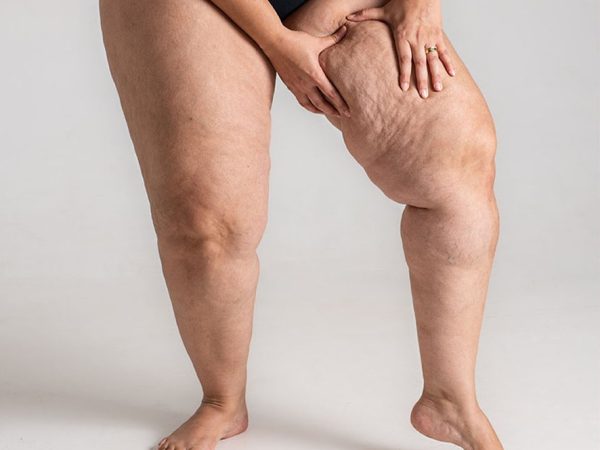
Lipedema is unique in its obvious shape modification—legs, and occasionally arms, become larger, while the feet and hands remain unaffected. The torso might appear to have a priori line at the ankles or wrists. Fat collects in a balanced fashion. Bruises appear readily. Lymphedema refers to swelling that sometimes begins soft and smooth, then warps hard, and can manifest one leg or arm more than the other.
Skin appears and textures differently as well. Lipedema skin remains smooth, whereas lymphedema skin may appear thick, dimpled or folded as swelling progresses. Hopefully, these signs can assist in identifying which one might be stalking the household.
Why These Differences Matter
Understanding these differences informs treatment, select treatment, and monitor progress.
The At-Home Test
Here’s the quick at-home test to help spot the differences between lipoedema and lymphoedema using simple checks you can do yourself. These steps are about visible signs and symptoms, ones you can observe or touch, and they assist in monitoring small changes over time. If you observe something abnormal, providing your notes to a doctor can be a useful next step.
1. Stemmer’s Sign
Stemmer’s sign is the diagnostic test for lymphoedema. See if you can pinch the skin at the base of your second toe. If you cannot pinch or lift a skin fold, this is a positive Stemmer’s sign and lymphoedema is probable. Note that a negative Stemmer’s sign, i.e., where the skin can be pinched, does not exclude lipoedema. It’s a fast, at-home test, but it works best as one piece of a larger self-check cycle. Even if you don’t notice swelling or heaviness in your arm, the Stemmer’s sign can help build a clearer picture for your doctor.
2. Pain Response
Check the sore spots – press lightly on the inflamed area. While lymphoedema usually hurts less, lipoedema can be more painful or tender, even with gentle touch. Note whether the pain is sharp, dull or lingers. Observing when the pain worsens — for example, after a long day on your feet — can help reveal patterns. Pain can restrict activity, so monitor any activity modifications.
3. Skin Texture
Examine the skin of the swollen area. For lipoedema, skin tends to remain smooth and soft, however with lymphoedema it can become thick, hard or less springy in texture. See whether the skin bounces back when you press, or dents in a bit. On your own, early lymphoedema can be hard to notice, but frequent self-checks like this catch changes earlier.
4. Limb Symmetry
Just compare both legs or arms. Lipoedema makes both sides enlarge in a symmetrical manner. Lymphoedema usually tips the scales in favor of one side being bigger than the other. Minor variations, such as a 2 cm gap, could be more significant for a person with skinny arms than someone with beefy ones.
5. Foot Involvement
Examine your feet for edema. Lipoedema usually spares the feet and lymphoedema doesn’t. Notice if your foot swelling dissipates after you rest or sleep.
Critical Visual Cues
Some key visual cues can assist you in differentiating lipedema from lymphedema at home. These cues provide a convenient method to begin piecing together which of these conditions you might be experiencing. As always, bring your discoveries to a medical professional.
Fat Distribution
For lipedema, the fat distribution is critical. Fat accumulates in the legs, hips, buttocks and sometimes arms but hands and feet remain normal. A distinct “collar of fat” above the ankles appears in most lipedema patients, while feet are largely untouched. Swelling of the lower legs can emerge by evening, but a night’s rest often dissipates it, particularly at initial stages. Unlike normal weight gain, fat in lipedema is often fibrotic and nodular, so it feels lumpy.
In lymphedema, swelling is more generalized and can involve the feet. The hernia is soft initially, but can become hard.
Make note of what limbs appear swollen or with fat accumulation. Observing changes over weeks or months provides you with a better sense.
Skin Changes
Lipedema skin can be uneven or bumpy to the touch. These nodules or lumps can be felt under the skin, imparting a soft but sometimes “rubbery” texture to it. There might not even be a noticeable color change initially, but as the condition continues, the skin can appear pale or lightly discolored because of the fat changes underneath.
By contrast, lymphedema typically doesn’t produce these nodules. The skin is generally smooth, but with persistent edema, it can become thickened or hardened. Uncommon skin color, like redness or dark patches, indicate a separate problem and should be examined by a physician.
Bruising Tendency
Individuals with lipedema are especially prone to bruising. Little bumps or pressure can bruise, particularly on the thighs or lower legs. This bruising occurs due to the fact that fat tissue with lipedema is delicate and capillaries can rupture easier.
Lymphedema does not usually cause additional bruising. If you see new bruises or they last longer, record when and where they occur. This can assist your doctor identify trends and make decisions about next steps.
Visual Checklist
-
Disproportionate fat below waist, sparing hands/feet
-
Collar of fat above ankles (lipedema)
-
Feet swelling only late in the day, clears with sleep
-
Nodules or bumps under skin
-
Tendency to bruise in affected areas
The Hidden Impact
Living with lipedema or lymphedema is about more than just the physical symptoms. These conditions can stealthily sculpt daily routines, emotions, and social bonds. Misconceptions of what they actually are tend to postpone diagnosis and treatment, exacerbating their impact.
Emotional Toll
Chronic swelling and pain can gnaw at confidence. They get annoyed that basic things like walking or standing become difficult. The weight and exhaustion that accumulate every day can make someone feel isolated, if others don’t grasp the battle.
Social isolation is prevalent. A lot of us are ashamed of body changes too, which can make self esteem plummet. This distress frequently results in anxiety or even depression. Assistance from friends, family or support groups is essential. Simply hearing that someone cares or listens can be the spark that breaks the cycle of isolation.
Lifestyle Factors
Decisions every day makes all the difference. Nutrition and movement keep the swelling down and the energy up. Even mild exercise — like walking or easy swimming — can uplift blood flow and mood.
Normal routines might have to shift. Errands or house work, for example, can require extra time or breaks to accommodate pain and fatigue. Good self-care — like elevating legs, wearing compression garments, or scheduling rest periods — helps ease life.
Misdiagnosis Reality
Doctors frequently confuse lipedema and lymphedema. This confusion is understandable — both result in swelling — but the treatments differ. The incorrect diagnosis sets you on a route that either doesn’t help or actually makes things worse.
Nailing it is crucial. The right testing and cautious consideration by a physician who understands both illnesses can assist in locating the source. By disseminating information to health workers and patients, you reduce the time to actual solutions and better treatment.
Addressing the Whole Person
Physical care counts, but so does caring for the mind. Support groups, counseling, or just checking in can assist. A combination of professional assistance and personal assistance is most effective.
Both body and mind need care.
Professional Diagnosis
Navigating the correct diagnosis for lipedema or lymphedema usually entails working with an astute healthcare team. Doctors use a combination of history, physical exam and sometimes x-rays. These measures assist to identify the characteristic features of each of the disorders, exclude confounders such as simple obesity or lipohypertrophy and determine optimal further work-up. Patients who advocate for themselves and request specialist referrals get better care. Providers have to continue learning in order to stay current as new research is published.
Your Doctor’s Role
Physicians are critical in addressing fat distribution issues. They inquire into your background, including familial trends, and conduct a thorough physical. Characterized by soft or firm nodules of fat in the hips, buttocks, legs and sometimes arms or belly. Lymphedema can present as non-pitting swelling, or a ‘solid’ sensation over the toe – known as Stemmer’s sign. Your physician must hear, respond to your questions, and discuss symptoms candidly. This fosters confidence, so you sense secure discussing issues. TEAMING UP ON TREATMENTS Working as a team on treatment plans gets you the right therapy and support.
-
Key responsibilities of your doctor: * Get a detailed personal and family history.
-
Perform a thorough, literal physical examination.
-
Detect any nodular or fibrotic fat, or edema.
-
Apply easy bedside diagnostics (such as Stemmer’s sign).
-
Consult experts like lymphedema specialists.
-
Discuss findings and next steps.
-
Diagnostic Tools
Diagnosis is usually exam-based, although some patients require further testing. Physical exam and history are the primary diagnostic instruments for lipedema and lymphedema. Stemmer’s sign is an easy screening tool for lymphedema. Lymphoscintigraphy, a scan that tracks lymph flow, can reveal obstructions. Imaging, such as ultrasound, might assist in excluding alternative diagnoses. Applying multiple techniques can provide a more definitive diagnosis, particularly when “hybrid” forms such as lipo-lymphedema exist.
Treatment Philosophy
Treatment, of course, is always contingent on the definitive diagnosis. Lipedema and lymphedema both require their own individualized approach. Lifestyle tweaks—such as mild exercise and moisturization—typically assist both. Lymphedema requires full decongestive therapy and lipedema can encompass compression and weight management. Referrals to lymphedema specialists provide access to cutting-edge, research-based treatment techniques.
|
Condition |
Main Approach |
Key Therapies |
|---|---|---|
|
Lipedema |
Symptom relief, lifestyle change |
Compression, movement, nutrition |
|
Lymphedema |
Reduce swelling, prevent infection |
Decongestive therapy, skin care |
|
Lipo-lymphedema |
Mix of both |
Compression, therapy, specialist care |
Your Next Steps
Once you’ve given a basic at home differentiation test a go, here’s what you should do next to ensure you receive the appropriate care. Once you observe swelling, bruising, or pain that doesn’t correlate with how you look, begin monitoring your symptoms. Record when you initially observed the changes, how your skin feels and if the swelling worsens during specific times of the day. Taking smartphone photos of your limbs every month is a genius way to identify gradual alterations that may not be apparent from day to day. You can then use these notes and photos to provide your doctor with a complete record of what’s going on.
If you notice swelling that is non-pitting (does not make a dent when you press on it), persists for more than three months, or pain that feels disproportionate to the appearance of your skin, consider consulting a board-certified vascular or lymphatic specialist. These doctors are more familiar with these conditions. Occasionally, lipedema and lymphedema can present as lipolymphedema, and choosing the right specialist can address both. If you’re not certain, seek out a clinic with vascular medicine or lymphatic care in their list.
You can see if your symptoms correspond to any of the lipedema stages. For instance, in Stage I, skin is smooth but spongy to the touch and swelling is mild. If you don’t control your weight or take care of your health, Stage I can progress to Stage II, which adds swelling and skin changes. Others employ the Stemmer test as a quick tool. To test, attempt to pinch and lift the skin at the base of your second digit or toe. If you can’t lift it, this could indicate lymphedema, but if you can, lipedema is more probable.
Remember, doctors might not know much about lipedema, so bring your notes and be patient. Diagnosis still often comes from palpating the skin, reviewing your and your family’s history, and less from blood tests or scans. Support groups – online and local – can assist you with tips, sharing stories with those who’ve faced the same thing.
Conclusion
At home clear signs can assist you to differentiate lipoedema and lymphoedema. Lipoedema: soft, painful fat, mostly on the legs. Lymphoedema typically begins unilaterally, often in the feet or hands. Home checks provide a quick hint, but a physician must confirm the source. Early indicators are important. Early detection can reduce discomfort and increase your quality of life. Real tales demonstrate how little things, such as observing where swelling begins or skin texture, make a difference in identifying the correct diagnosis. If you notice these indications, or you’re just uncertain, contact a health pro. Discover, inquire, and connect with others seeking answers through your own experience.
Frequently Asked Questions
What is the main difference between lipoedema and lymphoedema?
Lipoedema predominantly affects both legs and is caused by disordered fat deposition. Lymphoedema is caused by an issue with the lymphatic system, which causes swelling usually in a single limb.
Can I diagnose lipoedema or lymphoedema at home?
You can check for common symptoms and perform easy tests. Only a doctor can provide a formal diagnosis. Home tests are only the beginning.
What is a simple at-home test to differentiate between lipoedema and lymphoedema?
Press your thumb softly into the swollen region. If the indentation remains, it could be lymphoedema. Lipoedema swelling typically doesn’t pit.
What are critical visual cues to look for?
Lipoedema typically results in symmetrical swelling of both legs, with the feet being unaffected. Lymphoedema tends to cause asymmetric swelling and can impact feet and toes.
Why is early diagnosis important?
Early diagnosis prevents complications, improves quality of life, and permits superior management of symptoms.
Should I see a doctor if I suspect lipoedema or lymphoedema?
Yes. A physician can give you a definitive diagnosis and develop a treatment plan tailored to your situation.
Can lifestyle changes help manage symptoms of both conditions?
Yes. Exercise, nutrition and skin care definitely do help in both lipoedema and lymphoedema, but seek professional advice.