
Key Takeaways
-
Know that lipedema is a chronic fat disorder separate from typical obesity and can advance in stages impacting tissue, pain, and mobility. Protect quality of life. Seek early diagnosis to slow progression.
-
Employ a mix of conservative care and focused approaches like medical-grade compression, manual lymphatic drainage, and gentle movement to alleviate symptoms and drain fluids.
-
Implement an anti-inflammatory, whole-foods nutrition plan, maintain a food journal to identify triggers, and steer clear of processed foods and those high in salt to aid in managing swelling and inflammation.
-
Track individual triggers such as hormonal shifts, trauma, or inactivity and maintain a symptom diary to customize your daily self-care routine, fitness regimens, and clinical conversations.
-
Think about personalized medical solutions when conservative strategies aren’t enough, such as lymph-sparing surgical procedures. Consult with expert centers to balance advantage and risk.
-
#Tackle the emotional and social impacts by building a support network, seeking mental health care, practicing self-advocacy, and prioritizing functional health goals beyond aesthetics.
Coping with lipedema progression can be challenging. As a chronic fat disorder, it impacts tissue, pain, and your mobility. It typically presents as symmetrical leg or arm swelling that progresses and can lead to bruising and tenderness.
Thoughtful care mixes symptom monitoring, compression, low-impact movement, and consultation with doctors to arrest progression and mitigate pain. Hands-on tips and consistent oversight assist individuals in sustaining their lifestyle and level of life as the disease progresses.
Understanding Progression
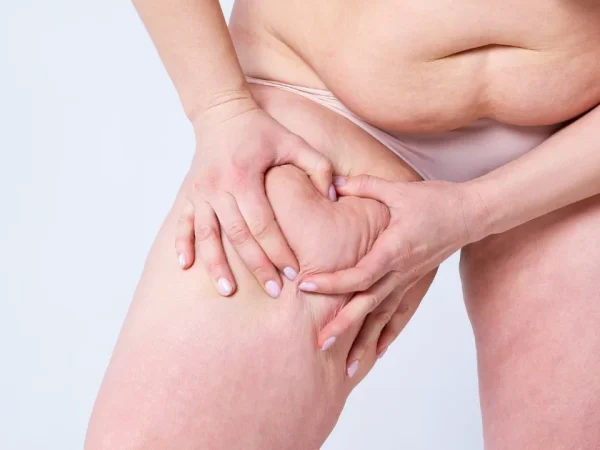
Lipedema is a progressive disorder characterized by a symmetrical accumulation of subcutaneous fat, primarily in the extremities. Progression refers to symptoms getting worse over time for a lot of people, with fat deposits growing, tissue becoming nodular or fibrotic, and the lymphatic system sometimes involved.
Timely diagnosis and intervention can decelerate progression and enhance day-to-day function and quality of life. Awareness is low and research is nascent.
The Stages
|
Stage |
Symptoms |
Tissue changes |
Mobility impact |
|---|---|---|---|
|
Stage 1 |
Skin smooth; enlarged subcutaneous fat |
Fine nodularity, soft swelling |
Mild; some stiffness after standing |
|
Stage 2 |
Skin uneven; noticeable dimpling |
Larger nodules, fibrosis begins |
More discomfort; reduced endurance |
|
Stage 3 |
Large fat lobules; skin changes |
Marked fibrosis, lobulated fat, hanging flaps |
Significant mobility limits; pain with movement |
Some clinicians have adopted the term lipolymphedema (aka “Stage 4”) to indicate lymphatic compromise, but this is controversial. Lymphatic changes can be present at any stage.
Not all progress moves at the same speed. Genetics, lifestyle, and management decisions influence how fast you transition from one stage to another. For example, someone with a strong family history and repeated weight gain may move faster than someone who gets an early diagnosis and starts tailored care.
The Symptoms
-
Disproportionate fat in hips, thighs, and sometimes arms
-
Painful or tender tissue when pressed
-
Easy bruising and sensitivity to touch
-
Edema increases throughout the day while sparing the feet.
-
Skin texture changes: dimpled or nodular areas
-
Reduced range of motion and increased fatigue with activity
Lipedema tissue frequently has a nodular or rubbery quality to the touch, unlike typical soft body fat. With weight gain or hormonal shifts, symptoms can become more intense.
Tissues can fibrose and become firmer. Recognizing warning signs, such as persistent leg pain, a disproportionate amount of fat despite dietary measures, and easy bruising, assists in initiating evaluation and referral. Early diagnosis provides greater control of options such as conservative care, compression, targeted exercise, or surgical consultation.
The Triggers
Hormonal events like puberty, pregnancy, or menopause often align with onset or spikes in progression. Poor sleep, high stress, and inflammatory foods seem connected to worsening tissue changes.
Sitting around and chronic venous disease can add fluid and swelling, making it more painful. Injuries, surgeries, and any lymphatic damage may drive tissue toward more permanent swelling.
Identify your own triggers, record days with worse pain, sleep, diet, and activity to personalize care. Anti-inflammatory measures, better sleep, and structured movement frequently decrease flare patterns and aid in long-term control.
Proactive Management
Active management strives to decelerate lipedema progression and alleviate symptoms by combining consistent daily self-care with professional input and interventions. Catching stage 1 changes early provides the greatest opportunity to prevent their progression. Regular annual check-ups ensure this small shift is detected before it becomes a big problem.
Here’s a checklist of what works, followed by deep-dives on nutrition, movement, compression, decongestion, and mindset.
Checklist for effective management
-
Early monitoring includes scheduling annual exams, photographing and noting changes, and tracking pain or bruising patterns.
-
Combined therapies: use medical-grade compression and manual lymphatic drainage (MLD) as core treatments for lymphatic support.
-
Daily self-care: maintain skin hygiene, raise legs periodically, hydrate, and protect skin from injury.
-
Nutrition tracking: Keep a food and symptom log to identify inflammatory triggers and adjust intake.
-
Movement plan: Adopt low-impact routines and consult a physical therapist familiar with lipedema.
-
Education: Read current lipedema guides and join reputable patient networks to learn about treatment options.
-
Professional support: Arrange regular sessions with certified lymphedema therapists and seek medical input for evolving needs.
1. Nutrition
An anti-inflammatory diet can fight systemic inflammation that exacerbates the edema. Emphasize whole vegetables, fruits, fish, or poultry and healthy fats such as olive oil and nuts. Reduce your intake of processed, sugary, and salty foods that can cause fluid retention and inflammation.
Record your meals along with your symptoms for a few weeks to identify connections between foods and flare-ups. A basic app or paper diary will suffice. Check out a lipedema nutrition guide for meals and portions tailored to this condition, and consider a dietitian who knows lipedema for individual adjustments.
2. Movement
Low-impact exercise enhances circulation without straining joints or injured tissue. Walking, swimming, soft cycling, and pilates assist in moving fluid and keeping mobile. Steer clear of heavy high-impact programs that can stress connective tissue and induce pain.
Proactively manage it by working with a lipedema-versed physical therapist to develop a plan with incremental progressions, tangible goals, and adjustments. Consistency beats intensity. Aim for regular short sessions instead of infrequent intense workouts.
3. Compression
Medical-grade compression garments aid lymph flow and reduce swelling of the limbs. Proper fit is crucial. Have measurements taken by a trained fitter and replace garments as elasticity wanes.
Wear stockings or sleeves every day, modifying compression intensity to activity and comfort, and rotating styles for rest versus workouts. Compression can relieve pain, reduce swelling, and potentially reduce local fat buildup when combined with other interventions.
4. Decongestion
MLD and CDT minimize fluid accumulation and preserve tissue integrity. Meet with qualified therapists on a regular basis and learn safe self-massage methods to utilize in your own dwelling.
Decongestion prevents secondary lymphedema and promotes long-term tissue integrity. Apply lymphagogue creams or instruments as instructed to increase home care between treatments.
5. Mindset
Dealing with a chronic ailment demands consistent psychological attention as well as physical measures. Practice mindfulness, quick meditations, or journaling to cope with stress and pain.
Set realistic, specific goals and record small victories to maintain motivation. Create a support group of peers and clinicians to exchange tips and continue educating yourself.
Medical Interventions
Medical interventions for lipedema can vary from conservative to surgical. The decision is guided by disease stage, symptom burden, comorbidities, and patient goals. Personalized regimens constructed by an interdisciplinary team provide the most opportunity to decelerate advancement, minimize symptoms, and maintain ability.
-
Compression therapy (custom garments, layering; replace 3 to 4 times in the first year)
-
MLD and CDT (prehab and maintenance)
-
Physical therapy and tailored exercise programs
-
Skin care and moisturizer regimens to avoid breakdown and infection.
-
Pain meds, topical anti-inflammatories, and neuropathic pain agents as appropriate.
-
Venoactive agents, such as diosmin, provide venous support and improve microvascular permeability.
-
Intensive volume reduction programs (3–4 treatments per week initially)
-
Expert, lymph-sparing liposuction (tumescent, WAL or PAL with trained teams)
-
Metabolic and anti-fibrotic experimental drugs in clinical trials
-
Continued surveillance with vascular studies, toe brachial index if unable, and ankle index and endocrinology screening.
Conservative Care
Physical therapy, manual therapy and consistent exercise are front-line. A certified lymphedema therapist can provide guidance for pre-surgical “prehab,” manual lymphatic drainage training, and compression garment fittings tailored to limb shape and symptoms.
Active volume reduction kickstarts with three to four visits a week, mixing massage, stretches, and compression to reduce tissue fluid and pain.
Skin care counts. Daily moisturizers, care of interdigital spaces and skin folds, and rapid treatment of any fissuring reduce infection risk. Employ nonirritating emollients and perform skin checks regularly.
Pain management should be pragmatic. Short courses of NSAIDs, topical agents, and neuropathic drugs can assist under a physician’s guidance. Observe impact and side effects and titrate as symptoms wax and wane.
Conservative care reviews regularly keep treatment stage and goal aligned. Monitor limb volumes, function, and quality of life. Tackle related conditions like hypothyroidism that can exacerbate symptoms and provide cross-specialty coordinated care.
Surgical Options
Surgical intervention is reserved for when conservative care doesn’t work and disease is at advanced stages with loss of function. This includes unremitting pain, repeated cellulitis, significant disproportionality, or restricted mobility despite optimized conservative treatment.
|
Feature |
Specialized liposuction (lymph-sparing) |
Standard cosmetic liposuction |
|---|---|---|
|
Goal |
Reduce diseased fat and restore function |
Contour for appearance |
|
Technique |
Tumescent, WAL, PAL with lymph-sparing methods |
Traditional suction methods |
|
Safety |
Requires experienced centers and lymph-aware surgeons |
Higher risk of lymph damage if misapplied |
|
Outcomes |
Long-term symptom and QOL gains reported (4–12+ years) |
Variable for lipedema-specific needs |
Lymph-sparing techniques reduce danger to lymphatics and need specialized teams trained in lipedema. Established centers, including specialist clinics, have superior results and safety.
Pre-surgical screening by lymphedema therapists assists with exercise, manual care, and garment planning.
Future Therapies
Research is branching out into metabolic approaches, targeted drugs, and new fat-blasting technologies. Trials examine agents that target inflammation, fibrosis, and adipogenesis directly.
Diagnostic innovations target earlier, more precise diagnosis and minimize lagging treatment. Emerging therapies encompass biologic modulators and device-based fat reduction with improved tissue selectivity.
Keep an eye out for trials at specialist centers and registries. Your participation pushes care forward.
The Emotional Toll
Lipedema is about more than the physical; it’s about transforming your day-to-day life, self-perception, and interpersonal relationships. Lipedema patients frequently mention loss of mobility and physical alterations that impact their movement and perception. Others endure frustration, anxiety, mood swings, and depression brought about by pain, fatigue, and persistent social misperception.
Emotional lability, issues with impulse control, and issues with emotion regulation are often reported. These reactions link to measurable factors. Higher BMI often relates to greater anxiety and poorer emotion regulation, and 77 to 86 percent of patients report fatigue that deepens emotional strain. Primary care gaps are stressful when GPs seem unfamiliar with the condition or just have diet advice, which can leave patients feeling dismissed.
Body Image
Disproportionate fat distribution and visible tissue changes can lead to persistent body image issues and shame about weight or shape. This can make everyday tasks, such as fitting clothing, finding comfortable seating, and buying shoes, feel like repeated reminders of difference.
Focusing on function rather than form helps. Assess what the body can do today and set small goals tied to movement, comfort, and self-care. Join body-positive groups or social media communities that center lipoedema experiences. Seeing others who wear compression garments confidently or adapt wardrobes offers concrete ideas.
Practical aids like compression wear, tailored clothing, and adaptive textiles can improve comfort and boost confidence at work and social events.
Mental Health
Periodic mental health check-ins count. Easy habits, such as quick walks, fixed bedtimes, and mini breathwork, de-stress and clarify your days. Professional support matters too. A therapist who understands chronic illness can assist with emotion regulation, impulse control, and mood swings associated with pain or fatigue.
Chronic pain and low energy create a loop: pain worsens mood, low mood increases pain perception, and that cycle raises anxiety risk. Talking openly about mental health in the lipoedema community reduces stigma and results in shared coping tools, from pacing strategies to cognitive tools.
Where you can, fold mental health into care plans instead of leaving it separate.
Social Impact
Lipedema can reduce social activities, cause relational stress, and influence occupational decisions, with 51–73% indicating it has impacted their careers or options. Clear communication about needs helps; explain limits, request flexibility, and suggest concrete adjustments for employers or friends.
Local or online support groups lessen isolation and offer practical advice about transport, seating, or workplace ergonomics. Support the right to access in public spaces and educate on fat disorders to decrease stigma.
Small steps, such as a brief note to a supervisor, a conveniently scheduled meeting, or sharing a resource among family members, generate more awareness and tangible change.
Beyond The Diagnosis
Lipedema is a condition that progresses slowly over multiple years, sometimes even decades, with an average time to advanced stages of around 17 years. Knowing that timeline is useful in establishing realistic expectations and emphasizes the importance of active, continued management. Microvascular and lymphatic alterations, as well as connective tissue dysfunction manifested in joint hypermobility, diminished skin elasticity, and occasionally aortic stiffness drive the advancement through four clinical phases, each characterized by unique histological and immune profiles.
Here are actionable routes for seizing control, remaining educated, and sculpting treatment to everyday life.
Self-Advocacy
Maintain a symptom log beyond the diagnosis. Follow pain, swelling, range of motion, sleep, and what clothing or therapies alleviate these symptoms. A brief symptom logger facilitates good clinical decisions and makes follow-ups effective.
Find out your local and international rights to medical and workplace accommodations, sick leave rules, and accessibility laws so you can make your requests for necessary changes with information. Prior to appointments, jot down your top concerns and questions. Take recent measurements or photos with you when applicable.
Join formal advocacy groups for letter templates and clinicians experienced in lipedema care. Participating in awareness campaigns increases visibility and can help create new service opportunities in your area.
Building Community
Seek out peer groups, online and face to face, for tips and emotional support. These communities swap actionable advice like brands of soft fibers or compression socks that remain comfortable throughout the day. Go to conferences and meetings.
Organizations hold events that mix patient education with clinician lectures. Use those settings to inquire about specific exercise regimens or lymphatic therapies. Reach out to the Lipedema Foundation, National Lymphedema Network, or other like-minded organizations for reputable, evidence-based resources and referrals.
Peer mentorship provides concrete care suggestions and demonstrates coping strategies. By sharing our stories, we break down isolation and can inspire others to experiment with small shifts that make the day a bit more manageable.
Redefining Health
Change the goal from ideal weight or appearance to function, comfort, and quality of life. Lipedema can make simple tasks difficult, so every little win counts. Nominate specific, personal objectives.
For example, walking a certain distance, strength training twice a week, or experimenting with joint-hypermobility-friendly low-impact classes. Integrate holistic care, including medical treatment, tailored exercise endorsed by clinical consensus as therapeutic, balanced nutrition, and mental health support.
Celebrate progress by noticing when swelling eases, when a garment fits better, or when pain lessens. Grit is needed to face a disease that progresses slowly, along with emotional support from loved ones, which is suggested to provide both comfort and assistance with daily needs.
Common Misconceptions
Most readers assume lipedema is just extra ‘weight’ from a poor diet or lack of exercise. This is false. Lipedema is a chronic disorder of fat distribution that has its own signs: symmetric enlargement of the limbs, pain to touch, easy bruising, and tissue that feels different from ordinary fat. Patients are often frustrated when they are told to simply lose weight.
Mistaking lipedema for lifestyle-related obesity postpones appropriate treatment and exacerbates psychological distress, as conventional tips such as ‘eat less, exercise more’ seldom relieve the primary symptoms. Bust the myths that lipedema is just due to a bad diet, exercise, or obesity. Diet and activity influence health, but they do not cause lipedema.
Most lipedema patients are normal weight above the waist but have fat disproportion on their legs, arms, or hips. Blaming someone’s body shape on overeating overlooks the genetic, hormonal, and connective tissue components that underlie lipedema. For example, two people with similar diets and activity levels can have very different fat patterns.
A person with lipedema may lose visceral fat with weight loss while limb fat remains painful and unchanged. Explain that lipedema is its own medical condition with its own pathophysiology and symptoms. Lipedema consists of nodular, painful fat and typically a family history or onset at hormonal change, like puberty or pregnancy.
It’s not a superficial quirk. Proper diagnosis matters because treatment paths differ. These include compression therapy, specialized manual lymphatic drainage, targeted exercise, and in some cases, lipedema-specific liposuction. Declaring it simply cosmetic can deny patients appropriate medical treatment.
Debunk myths surrounding traditional weight loss as a solution to lipedema fat. While diet and aerobic exercise can lower overall body mass and improve health markers, they rarely reduce lipedema fat in the areas of the body where it presents. Patients tell me that their legs continue to stay large even though they’ve been controlling their calories.
That truth is why a combination of conservative strategies and for some, surgical interventions tends to be advised. Clarify the distinction between lipedema, lymphedema, and normal fat. Lymphedema is fluid accumulation secondary to lymphatic dysfunction and frequently demonstrates pitting edema and a positive Stemmer sign.
Lipedema is mainly fat with pain and bruising and typically spares the feet. Run-of-the-mill fat does not come with the pain, texture alteration, and symmetry of lipedema. Misdiagnosis among these conditions results in bad treatment decisions and additional suffering, such as patients experiencing anxiety, depression, and isolation.
Conclusion
While lipedema advances in phases, individuals can do things to reduce symptoms and maintain a fulfilling life. Follow shifts in your shape, pain, and heavy legs. Attempt consistent activity such as walking, aqua work, or light strength moves. Wear well-fitting compression and seek specialist assistance for testing and care. Discuss emotions with a therapist or a support circle. Get the knowledge to identify bad science and choose therapies suited to your preferences.
Example: A daily 20-minute walk and compression often cut swelling and pain enough to make chores easier. Example: Joining a local or online group gives quick tips and steady motivation.
Identify specific next steps for today. Schedule a clinic consult, take a short walk, and join a support chat.
Frequently Asked Questions
What is lipedema progression and how quickly does it happen?
Coping with lipedema progression The speed is different for everyone. Hormones, genetics, weight gain or loss, and inflammation affect speed. Routine surveillance catches change early.
Can weight loss stop lipedema from getting worse?
Diet and exercise support general health and alleviate symptoms, but rarely halt lipedema fat. Weight loss may make you feel better, increase mobility and decrease pain, but does not remove lipedema tissue.
Which medical treatments slow progression or improve symptoms?
Conservative care, including compression therapy, manual lymphatic drainage, and tailored exercise, mitigates swelling and pain. When performed by experienced specialists, liposuction is able to remove diseased fat and improve long-term outcomes for many patients.
How can I manage pain and mobility as lipedema progresses?
Treat using compression, low-impact exercise, weight management, and physical therapy. Pain killers and focused lymphatic treatments ease discomfort. Intervening early saves you from losing your mobility.
Is lipedema the same as lymphedema or obesity?
Coping With Lipedema Progression Lipedema is a unique, generally symmetrical fatty tissue condition primarily impacting the limbs. Lymphedema is lymph fluid buildup. Obesity is generalized fat. Co-existing conditions can occur that require different treatments.
How does lipedema affect mental health and what support helps?
Lipedema can trigger anxiety, depression, and body image issues. Counseling, support groups, and education help with coping. Multidisciplinary care that addresses mental health is key.
When should I see a specialist about progression?
Visit a vascular specialist, lymphologist, or lipedema-experienced plastic surgeon if you notice heightened pain, swelling, skin changes, or mobility impairments. Early referral results in better symptom control and allows for treatment planning.