
Key Takeaways
-
Lipedema leads to delicate microvessels and elevated internal tissue pressure that render bruising more common and severe in regions with surplus fat like the thighs, legs, and buttocks. Keep track of where and when the bruises develop to note any progression.
-
Wearing compression garments regularly minimizes swelling and the development of new bruises, and selecting the levels of compression with the help of a clinician.
-
Easy, consistent movement and low-impact exercise optimize lymphatic flow and circulation without engaging in high-impact activities that can exacerbate bruising.
-
Maintain an anti-inflammatory, nutrient-dense diet and collaborate with a dietitian when able to support tissue health and possibly mitigate bruising and swelling.
-
Pair MLD and physical therapy with skin care and protective clothing to minimize tissue stress and protect delicate skin.
-
Maintain comprehensive symptom logs, arrange regular medical evaluations, and consult a lipedema specialist about diagnostic and treatment options, such as medications and procedures, to make informed decisions.
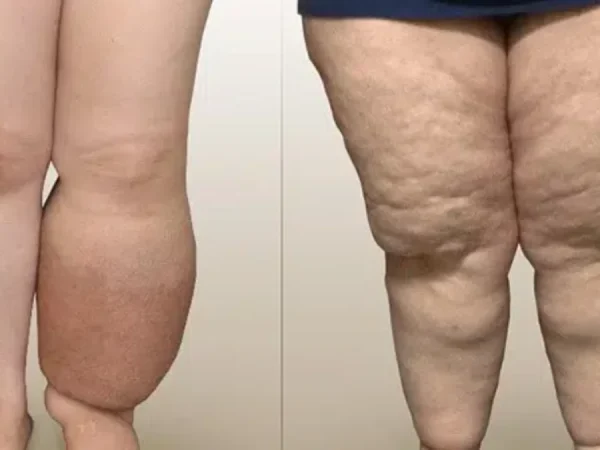
Bruising lipedema is a phrase for coping with a chronic fat condition. It predominantly attacks the legs and arms and may cause discomfort, swelling, and restrictions in movement. Hormonal and genetic factors are both thought to be causes, and symptoms tend to exacerbate with age.
Care plans of gentle skin care, compression, movement, and medical support in combination all reduce bruising and improve daily comfort.
Why Bruising Occurs
Lipedema is characterized by irregular fat accumulation in the limbs that alters how tissue distributes pressure, fluid, and microvessels. This section breaks down the main reasons bruises form in lipedema: fragile vessels, raised tissue pressure, and chronic inflammation. Each one intertwines with the others and all combined explain why bruising is common and frequently more intense than your garden variety bruise.
Fragile Vessels
It is about why bruising occurs, as tiny blood vessels in lipedema tissue are more likely to break, causing unexplained bruising. Microvascular changes observed in certain research indicate modified capillary walls and minor vessel fragility, enabling blood to leak into adjacent tissue with increased ease. Elevated tissue pressure from fat presses on these vessels, causing them to become compromised after a while such that even small bumps or normal motion cause noticeable bruises.
In many patients, hormones and genetics can further weaken vessel integrity. For instance, estrogen-related factors are suspected as lipedema tends to emerge or exacerbate at times of hormonal fluctuation. Frequent micro-trauma from bumping into things or clothing pressure can accumulate and result in bruising more easily than those without lipedema.
Fragile vessels are a key indicator that differentiates lipedema from regular fat. Pooling of blood from impaired lymphatic flow and microlymphatic aneurysms has been observed and could explain why these bruises linger and spread.
Tissue Pressure
Excess fat accumulation increases interstitial tissue pressure, squeezing blood vessels. As fat fills, the intra-limb space constricts, limiting microcirculation and predisposing vessels to leak under reduced strain. The excess interstitial fluid and edema that is so common in lipedema adds to that pressure and makes leakage and bruising more likely.
Persistent pain and soreness tend to track with high tissue pressure. When patients observe increasing swelling along with fresh or expanding bruising, this can indicate increasing tissue strain. Tracking swelling and bruising provides a reality check for progression and guidance around when to pursue treatment adjustments or compression intervention.
Inflammation
Chronic inflammation in lipedema increases local sensitivity and renders skin and vessels more fragile. Inflammatory molecules decompose components of vascular and skin integrity, so capillaries are less robust and more likely to leak. High pro-inflammatory diets and stagnating lymphatic flow aggravate this condition, making bruising more likely.
Tracking symptoms like warmth, soreness, or redness in conjunction with the bruising helps modify management. By addressing inflammation via diet, targeted therapy, and better lymph care, bruising frequency and intensity often decrease.
Managing Bruises
Bruising is a common and defining symptom of lipoedema, caused by fragile blood vessels and abnormal fat deposits. Managing bruises demands a defined strategy that combines everyday self-care, focused treatments, and vigilant observation. Below we discuss practical steps and choices for bruise management, along with a bulleted list of daily routines and treatments to employ.
-
Self-care routines and treatment options for daily bruise management:
-
Use prescribed compression garments daily, depending on level.
-
Gentle skin care: moisturize, avoid harsh scrubs, use padding where needed.
-
Low-impact exercise: walking, gentle yoga, aquatic exercise.
-
Manual lymphatic drainage and professional massage therapy treatments.
-
Rehab therapy for movement and tissue support. Manage your bruises.
-
Anti-inflammatory, antioxidant-rich diet; decrease processed and high-salt foods.
-
Track bruises: photos, dates, size, pain, possible triggers.
-
Stay away from risky activities and treat the areas lightly.
-
Review unusual bleeding or spreading bruises with your doctor.
-
1. Compression
Compression through garments that assist blood flow and reduce swelling in affected limbs is important. Regular application will decrease edema and reduce the potential for new bruising by supporting tissue and limiting shear to sensitive vessels.
Select compression strengths according to symptoms. Light support is typically sufficient during the initial phases while moderate-to-firm grades assist with obvious edema. Keep tabs on bruising and swelling by tracking worn time, comfort, and skin changes as you take photos. This way, you will know when to make adjustments.
2. Movement
Gentle exercise encourages lymphatic drainage and increases circulation, which can decrease how often you bruise. Low impact activities such as walking, gentle yoga, or swimming move fluid without stressing capillaries.
Stick to a consistent schedule with no intense activity spikes. Steer clear of contact sports, which increase injury potential and can exacerbate tissue trauma. Soft treatment of bruising areas when you exercise aids, like using soft straps or padded supports where appropriate.
3. Nutrition
Eating a healthy diet with lots of healthy fats, antioxidants, and anti-inflammatory foods provides your tissues and capillaries with the nutrients they need to thrive. Avoid processed foods, excess salt, and pro-inflammatory foods that promote swelling and bruising.
Check with a dietitian to develop a personalized plan for managing weight and minimizing symptoms. Weight control frequently relieves pressure on vulnerable vessels. Track your diet in conjunction with your bruising log to determine what foods are associated with improvement or flare-ups.
4. Therapies
These noninvasive treatments such as manual lymphatic drainage encourage this fluid to flow and help reduce edema bruising. Both physical therapy and other manual therapies increase mobility and decrease tissue congestion.
Mix treatments—compression, movement, massage—for optimal effect. A holistic strategy usually pays off. Make a basic chart or catalog of accessible therapies and record anticipated advantages, frequency, expense, and regional accessibility.
5. Self-Care
Daily skin care shields fragile skin and reduces the irritation risks. Opt for gentle cleansers and moisturize regularly. Cover up or pad those hit-prone areas.
Keep an eye on and record new or increasing bruises, and consult a doctor if bruising is unexplained or abrupt, as blood disorders can mimic these symptoms. Add stress-reduction practices to complement the overall well-being and symptom-control approach.
Medical Interventions
Medical interventions for bruising lipedema emphasize proper diagnosis, symptom management, and techniques to excise abnormal fat while minimizing side effects. A defined strategy assists patients in navigating tradeoffs and coordinating care across specialists.
Here’s a quick, numbered summary of interventions and their possible side effects to help you make an informed decision.
-
Diagnosis involves a full evaluation, scans, and records.
-
A physical exam by a lipedema knowledgeable clinician confirms the pattern of fat distribution and excludes lymphedema or venous disease.
-
A venous Doppler ultrasound rules out venous insufficiency or deep vein thrombosis, which can contribute to bruising and swelling.
-
Diligent note of bruising patterns, skin changes, and pain aids in following disease stage and customizing therapy.
-
Risks are minimal; misdiagnosis may delay proper care.
-
-
Conservative treatments — compression, skin care, and rehab.
-
Graduated compression garments minimize swelling and provide support to affected tissues. They should be changed three or four times in the first year to accommodate fit and wear.
-
Manual lymphatic drainage, exercise, and low-impact movement aid mobility as well as potentially causing bruising.
-
Risks include discomfort, skin irritation, and improper fit reducing effectiveness.
-
-
Medical treatments — drugs and hormone approaches.
-
Anti-inflammatories and analgesics manage pain. Diuretics are generally not effective for lipedema fluid.
-
Diosmin 600 mg daily for up to one year has been used for chronic venous insufficiency and may help venous symptoms in some patients.
-
Hormone therapy or weight-loss drugs may be considered when hormonal imbalance or obesity complicates symptoms. Benefits vary and side effects include hormonal shifts, cardiovascular risk, and metabolic effects.
-
Monitoring: track bruising frequency, swelling, and side effects on a regular basis.
-
-
Procedural — from liposuction to newer body-contouring methods.
-
Tumescent liposuction under local anesthesia remains the preferred intervention for lipedema, preventing recurrence for a mean of five years and potentially arresting disease progression when performed early.
-
Variants are ultrasound or laser-assisted liposuction, all designed to minimize bleeding and preserve lymphatics, but they vary in equipment and recovery.
-
Noninvasive options such as CoolSculpting have been tried by others; data is sparse and additional study is required.
-
Risks include bleeding, infection, contour irregularities, nerve injury, and the need for repeat procedures.
-
-
Team-based care and specialist referral.
-
Lipedema specialists and multidisciplinary teams (vascular surgeons, lymphedema therapists, endocrinologists, pain specialists) enhance outcomes, inform conservative versus surgical decisions, and manage joint risk following fat extraction.
-
Expert-panel consensus guidelines suggest combined conservative and surgical approaches that are patient specific.
-
Diagnostics
Thorough clinical evaluation and specific imaging identify lipedema and rule out other diagnoses. Trace bruising and symptom evolution to inform intervention timing.
Medications
Medications can address inflammation, pain, and venous symptoms. Diosmin and hormone or weight-loss drugs may have their parts but require careful observation and personalized schemes.
Procedures
Among standard, assisted, and tumescent liposuction, tumescent approaches provide the best combination of efficacy and lymphatic preservation. Interventions may enhance quality of life but have surgical risks.
Hormonal Impact
Lipedema is a chronic disorder of the subcutaneous adipose tissue that primarily affects females, indicating a potential hormonal connection. Hormonal changes during times like puberty, pregnancy, and menopause frequently correspond with the onset or an obvious worsening of lipedema and its propensity to bruise easily.
As we enter puberty, surging estrogen and progesterone alter fat distribution and blood vessel behavior, which can increase tissue fragility and cause even the smallest bumps to develop into massive bruises. Pregnancy introduces big, fast hormonal swings and fluid shifts that can further stress delicate capillaries and enlarge atypical fat pads, increasing bruising potential.
Menopause shifts baseline hormone levels. Around 20% of lipedema cases are diagnosed at this time, and research indicates basal lipolysis is reduced in gluteal adipose cells from postmenopausal versus perimenopausal women, which may partially account for symptom shifts.
Estrogen and other hormones act directly on fat cells. Adipose tissue is hormone-sensitive and expresses estrogen receptors alpha and beta, which help regulate leptin expression in adipocytes and influence adipocyte development, energy homeostasis, and glucose control.
When estrogen receptor expression is elevated, fat cells may react distinctly to hormonal signals, potentially shedding light on lipedema’s predilection for specific areas of the body. Decreased lipolysis and altered energy handling connected with estrogen shifts can allow pathological fat to linger and expand while vascular walls become thinner or more permeable, promoting easy bruising.
Hormone therapies and contraceptives count. If you’re on combined hormonal birth control or systemic hormone therapy, it may be a contributing factor to your easy bruising. Estrogen can decrease platelet function and alter capillary permeability, while progestins have effects that differ based on the specific agent and dose.
Among those with lipedema, initiating or switching hormone treatments can occasionally be accompanied by an increase in bruising or pain. Not everyone experiences this response; it is contingent upon the specific drug, dosage, individual sensitivity, and the particular area of fat.
Tracking hormones keeps advancement in check. Monitor symptom timing with respect to menstrual cycles, pregnancy milestones, or changes in hormone medications to identify patterns.
Some actionable suggestions involve talking to your clinicians about alternative contraceptives or even non-hormonal options and scheduling procedures for lower-risk portions of your cycle. Routine surveillance with providers can associate bruising fluctuations to hormonal events, inform safer treatment decisions, and mold a shared plan of compression, manual therapy, and lifestyle actions to minimize bruise recurrence and decelerate tissue transformation.
The Emotional Toll
The constant bruising and skin discoloration associated with lipedema can transform one’s self-perception and one’s experience in the world. It tends to change body contours and create constant, random bruises. That shift in looks connects immediately to reduced self-confidence and modified body image. Numerous individuals mention mirror confusion, looking in the mirror and feeling like their body is no longer representative of who they feel inside.
This can become more acute in swimsuit, fitted, or intimate situations, where women in particular note increased self-consciousness. The chronic pain and discomfort add another layer. Ongoing pain wears down patience and can make everyday tasks and social plans feel like added burdens.
A robust, engaged support network minimizes isolation and normalizes daily struggles. By joining lipedema communities or support groups, whether through online forums, local meet-ups, or disease-specific organizations, people find connection with others who share similar symptoms and treatment experiences. Posting pictures, bruise-clearing lifehacks and rants about doctors provides tangible advantages.
For instance, they’ll share compression garment brands that minimize bruising or suggest physical therapists who are familiar with lipedema. Peer advice can steer how to describe the condition to employers or schools in plain, nonmedical terms.
Speaking openly about it with family and friends makes a difference. Explain the visible signs and the hidden pain in straightforward terms: what triggers bruising, what helps reduce swelling, and when rest is needed. Practical examples help: suggest how a partner can help with dressing, or ask friends to avoid rough play that causes bruising.
When they know what to expect, they are less likely to mistake symptoms as clumsiness or drama. That minimizes shame and decreases the repetitive, emotionally draining explanations.
Mental health practices must be integrated into daily lipedema management. Mindfulness, brief guided breaths, or even 20-minute strolls can reduce stress and mitigate pain. Counseling, whether individual or group, offers a place to process guilt, shame, or rage.
Cognitive-behavioral therapy reformulates negative thoughts about both appearance and ability. Studies demonstrate that being diagnosed and having a plan for care generally provides relief. Most see an uplift in mood once they have an explanation and begin treatment.
When access is scarce, affordable teletherapy or community mental health services can provide pragmatic assistance and coping strategies.
Proactive Monitoring
Proactive monitoring is an active process of seeking out minor changes before they mushroom into major problems. For those with bruising lipedema, this means maintaining consistent monitoring of skin changes, pain and swelling, and how bruises form and heal. This catches early warning signs of issues, provides clinicians with more accurate information, and can reduce anxiety by making care seem more controllable.
Monitor symptoms and bruising patterns daily or weekly. Record when, where, size, color, and any obvious trigger like a bump, clothing pressure, or exercise. Include pain level from zero to ten and how long the bruise takes to fade. Capture photos of affected areas with a ruler or coin for scale and save them to a dated folder.
For instance, if bruises on the lower leg develop after light scratching and persist for a fortnight, note that trend. If a spontaneous bruise appears and it grows fast, flag it.
Have regular check-ups with doctors on a fixed schedule. Begin with a baseline visit to cover your medical history, medications, and any blood thinning or platelet issues. Follow up every 3 to 6 months or sooner if patterns shift.
Employ visits to display the symptom log and photos so doctors can identify patterns and tailor treatment, including compression garments, lymphatic massage, pain management, or drugs. If a therapy appears to lose its efficacy, present that data at your next visit to guide adjustments.
Utilize symptom or digital apps for regular tracking. Select apps that enable you to attach photos, notes, and reminders or utilize plain spreadsheets for privacy purposes. Set alerts for normal entries and for milestones, such as changes in bruise frequency or wound formation.
For example, apps can push reminders to check for skin breaks post-activity or record compression wear time, which helps quantify treatment adherence and outcomes across weeks.
Make a checklist of warning signs that require urgent medical attention. That includes unexplained, sudden, large bruises, rapid swelling, indications of infection (redness, warmth, fever), persistent open wounds, shortness of breath, or unusual bleeding elsewhere.
Proactive Monitoring – Share this checklist with family or caregivers so they can help observe changes. Good monitoring requires a proactive mentality, discipline, and being prepared to move if necessary.
Small, steady steps, daily entries, hard appointments, app reminders, and an explicit warning checklist keep monitoring feasible and relevant to real life.
Conclusion
Bruising with lipedema means vulnerable tissue and additional stress on tiny capillaries. Trace trends in size, color and pain. Cold on the first day, warm later, gentle massage and compression reduce swelling and accelerate healing. Try vitamin K cream or arnica for mild cases, and discuss blood tests or medication adjustments with your physician if bruises come frequently or balloon in size. Maintain a photo log and jot down triggers, such as new meds, intense workouts, or hormone shifts. Guard the skin with gentler garments and cushioned instruments. Check out a therapist or support group to help deal with the stress and shame of visible bruises. Hang in there, seek medical assistance when things shift, and keep care uncomplicated and compassionate.
Frequently Asked Questions
What causes easy bruising in people with lipedema?
Lipedema leads to fragile blood vessels and an altered tissue structure. This causes bruising from slight bumps or pressure. Hormones and inflammation make bruises appear more readily.
How can I reduce bruising at home?
Utilize light compression, immediate cold packs after trauma, and no tight shoes or clothing. Elevate limbs and be careful not to nick yourself when shaving or grooming.
Which medical treatments help bruising in lipedema?
Physicians might suggest compression treatment, topical hemostatic medications, or platelet-rich plasma in certain situations. Lipedema surgery, or liposuction, can reduce tissue fragility long term for some patients.
Are there medications or supplements that help bruising?
Topical vitamin K creams, vitamin C, and bioflavinoids can help with vessel health. As always, speak with your doctor before beginning supplements, particularly if you are on blood thinners.
How do hormones affect bruising with lipedema?
Hormonal changes, such as puberty, pregnancy, and menopause, can increase blood vessel fragility and inflammation. Bruising is the hallmark of lipedema and patients should work closely with their physicians to proactively manage this symptom.
When should I see a doctor about bruising?
Get care if bruises are extensive or painful, increase suddenly, occur without injury, or are accompanied by bleeding elsewhere. These can indicate other medical problems outside of lipedema.
How can I emotionally cope with visible bruising?
Connect with support groups, therapists, or a caring clinician. Coping strategies range from education and self-care to prioritizing interventions that address symptoms and quality of life.