
Key Takeaways
-
Lipedema reduction surgery may provide quicker and sometimes better relief from pain, swelling, and heaviness than conservative care. Outcomes differ based on disease stage, method, and individual. Consult a specialist and see whether you are likely to experience symptom improvement.
-
While many patients report better mobility and daily function post-op, this can lead to more independence and activity. How preoperative mobility and realistic goals influence expected gains.
-
Surgery frequently supports mental health via improved body image and pain reduction. Psychological benefits vary on personal fare and might necessitate counseling or peer support.
-
Anticipate major initial and maybe recurring expenses, such as surgeon, facility, travel, compression garments, and potential revision surgeries. Confirm insurance and document medical necessity if pursuing coverage.
-
Surgical risks are infection, bleeding, lymphatic injury, and uneven aesthetic results. Recovery may take weeks to months with rigorous compression and follow-up needed. Lipedema surgery is worth it. Pick an experienced surgeon and know all complications.
-
Best results mix surgery with ongoing conservative treatment including compression, lymphatic drainage, exercise, and lifestyle. Design an individual plan and monitor progress to maintain results.
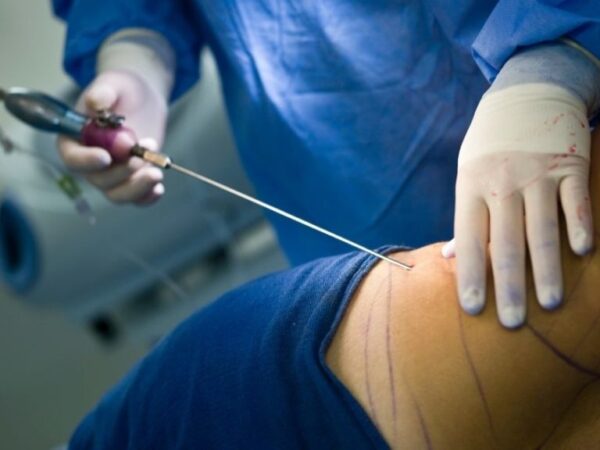
Lipedema surgery is a surgical treatment that diminishes excess fat and alleviates discomfort and edema in impacted limbs. Research shows enhanced mobility, reduced bruising, and improved quality of life when diseased fat is removed.
Recovery differs by method and stage, though many patients require lymphatic-conscious liposuction and several weeks of compression. Costs, risks, and realistic goals all weigh in when considering benefits.
The main body covers results, methods, and patient selection.
Evaluating Surgery’s Worth
Lipedema reduction surgery is designed to eliminate diseased fat that doesn’t respond to diet or exercise, with the intention of alleviating pain, swelling, heaviness and enhancing function. Below are concentrated spaces to assist balance advantages, restrictions, and sensible concerns for individuals determining whether to undergo surgery.
1. Symptom Relief
Lipedema surgery treats the abnormal fat tissue head on and can frequently provide swift relief from pain and tenderness. Many patients experience fewer days of sharp soreness and less frequent spells of severe swelling following lymph-sparing liposuction.
Conservative care — compression, manual lymph drainage, exercise — can assist, but might not arrest the progression or completely control pain. Surgery can tackle residual symptomology that non-surgical care leaves.
Degree of relief depends on the stage of lipedema, the surgical technique, and individual healing. Some experience a marked change within days, while the full benefit can take six months to a year.
2. Mobility Gain
Slimming limbs and eliminating bulk can alter gait and leg function, easing the effort of walking and stair climbing. Greater mobility often translates to greater independence and a re-engagement with activities they had abandoned, like longer walks or mild sports.
Some patients experience less fatigue while performing these routine tasks and find it easier to dress or maintain personal hygiene. Preoperative mobility limits, like joint damage or extreme deconditioning, influence the degree of function that returns.
Have frank discussions about this with your surgical team.
3. Mental Health
It can elevate self-esteem and body image as changes in body shape and symptom load often improve. Less pain and improved mobility reduce stress, anxiety, and depression for many patients.
Mental health improvements follow similarly with subjective happiness. If pain remains or expectations are still high relative to the probable results, mental gains may be less.
These mental changes often manifest as a brighter mood, increased social engagement, better sleep, and increased motivation for self-care.
4. Long-Term Results
Research shows sustained limb volume and pain reductions for many lymph-sparing liposuction recipients, along with enhanced lymphatic function soon after surgery in some cases. Long-term success lies in adhering to postoperative care, compression, and maintaining those healthy habits.
Many individuals require further touch-up surgeries to attain their preferred contour or address residual zones. Recurrence or progression can occur, especially in later stages, so follow-up is advised.
5. Financial Cost
Surgery carries significant upfront costs, including surgeon and facility fees, anesthesia, compression garments, and postoperative care. Multiple procedures increase your investment and work leave.
Hidden costs cover travel to specialists, physical therapy, and potential short-term loss of income. Compare surgery’s immediate costs with its long-term value in decreased conservative care costs and enhanced quality of life.
Surgical vs. Conservative
Surgical and conservative approaches to lipedema aim for the same end: reduce pain, improve mobility, and protect daily function. The two routes diverge in mechanism, timing, and average outcome. Conservative care manages symptoms without tissue excavation. Surgery excises abnormal fat and may yield swifter, more substantial improvements.
Conservative measures are still front and center pre- and post-surgery and are often mandated by insurance as evidence of nonresponse.
Management
Conservative management emphasizes symptom control through non-surgical methods and counseling. This encompasses compression garments, MLD, targeted exercise, an anti-inflammatory diet, weight management, and skin care.
Lipedema reduction surgery is considered when these measures fail to provide relief or when limb size and pain limit function.
-
Compression therapy: Graduated compression stockings or garments reduce pain and support tissue. They don’t reverse fat; however, they do reduce swelling and facilitate movement. Compliance is an issue for a lot of people because of heat, fit, or cost.
-
Manual lymphatic drainage and lymphatic massage: These techniques ease discomfort and reduce fluid buildup. In a study, the need for MLD fell from 89 percent to 40 percent after surgery in early stage.
-
Exercise and physical therapy: Low-impact activity and strength work preserve function and slow muscle loss. They reduce fall risk, and programs emphasize balance and gait.
-
Diet and weight management: Anti-inflammatory diets and caloric control help overall health. Surgical vs. Conservative hardly ever reduce lipedema fat, but they can relieve metabolic strain and increase mobility.
-
Skin and wound care, psychosocial support: Addressing skin integrity and mental health matters for long-term adherence.
Often it’s surgery and continued conservative care that provides the best sustained results.
Progression
Surgery can slow or stop lipedema progression by physically removing the abnormal fat deposits, and research demonstrates slowing for as long as 12 years. Conservative treatments primarily control symptoms and fail to consistently halt disease progression.
Early surgical intervention for Stage 1 to 2 disease can reduce later complications like lipo-lymphedema. After surgery, the need for compression dropped from 95% to 32% in early-stage patients.
Stage at treatment affects the likelihood of halting progression. Earlier stages respond better, while advanced stages may need staged procedures and long-term care. Insurance guidelines often require documented failure of at least 3 months of conservative management before authorizing surgery.
Outcomes
Surgical is better than conservative for limb circumference, pain, physical function and quality of life. Conservative results focus on symptom stabilization, not reversal.
Outcome measures in lipedema surgery studies include:
-
Pain scores, with the median pain decreasing from 7.8 to 2.2 post treatment, serve as a concrete measure of success.
-
Functional tests and mobility scores indicate better walking and activities of daily living.
-
Quality-of-life surveys show that out of 148 women, 84% experienced improved quality of life and 86% reported improved pain.
Both strategies seek to reduce day-to-day disability and increase freedom. A study discovered that post-surgery, only 44% of patients required any conservative treatment compared with 100% before surgery.
Surgery versus conservative.
Potential Downsides
Lipedema reduction surgery can provide genuine utility, but it has clear drawbacks in terms of physical health, financial, and emotional costs. Below are the main areas to weigh before deciding: surgical risks, recovery hurdles, and aesthetic outcomes.
Surgical Risks
Major surgical complications include hemorrhage, infection, and anesthesia complications. High-volume fat removal can lower hemoglobin and, in rare cases, cause lightheadedness or a transfusion. Harm to lymphatic channels is a particular concern with lipedema surgery.
While lymphatic-sparing methods minimize the chance of new or exacerbated lymphedema, they don’t eliminate it. Surgeon experience matters; less experienced operators show higher rates of complications and poor handling of lymphatic structures. A number of them must be done in stages, adding to the aggregate risk across sessions.
Be aware of any potential medical issues such as wound breakdown, seroma formation, and DVT before you agree.
Recovery Hurdles
Recovery may consist of extended swelling, bruising, numbness and pain. Early days will generally require 24 to 48 hours of hands-on help as the patient isn’t fully mobile and activities such as standing, showering and dressing become increasingly difficult.
Full recovery can be anywhere from a few weeks for smaller procedures to several months out from major work. Patients typically need to undergo compression therapy, restrict their activity and conduct frequent wound care.
Slow healing happens in a small percentage of patients and may necessitate further clinic visits or minor operative revisions. Numerous procedures add up in aggregate downtime and recovery burden. Certain individuals require four or more sessions to cover all affected areas, multiplying the recovery timeline.
Aesthetic Outcomes
Surgery is designed to enhance shape and symmetry, but results can differ and are not assured. Post-liposuction, certain patients experience sagging skin, wrinkles or bumpy contours after fat removal in large volumes, especially when skin elasticity is low.
Cosmetic outcomes are related to surgical technique, patient anatomy and tissue quality. Approximately 7% of patients are unhappy and this is frequently associated with having unrealistic expectations, being psychologically unprepared, or having progressive disease that persists post-surgery.
The disease itself can advance, which can blunt long-term surgical gains. Emotional hurdles, such as guilt, frustration, or reawakened body-image stress, are frequent, particularly for those who believed they were mistreated or stigmatized prior to treatment.
Costs and logistics link to these downsides: typical procedure costs range from USD 20,720 to 65,200 or more. A full course of treatment, with many rounds, can drive out of pocket totals beyond USD 100,000.
A quick risks versus recovery needs versus aesthetic uncertainties versus time off work versus cost table can help patients weigh trade offs and make a clear plan.
The Financial Reality
Lipedema surgery is expensive and complicated. Here’s a transparent view of where it all goes, how insurance reacts and why it pays to plan before you commit to treatment.
Direct Costs
Surgeon’s fees constitute the largest individual line item. More seasoned surgeons and those who specialize in lipedema charge more. Anesthesia and OR fees are significant too, as the procedures frequently run 4 to 5 hours instead of the 1 to 2 hour duration typical with standard cosmetic liposuction.
Now here’s the financial reality: medical supplies, implants if any, and disposables are a separate bill. Preoperative visits, scans, and labs all get charged prior to surgery. Postoperative follow-up visits, dressing changes, suture removal, and routine wound checks add more visits and fees. If the surgeon advises staged procedures or revisions, the total cost goes up accordingly. Payment is typically requested up front when insurance refuses to cover, thus many patients pay surgeon and facility fees out of pocket.
Hidden Expenses
You may need to travel to a specialist. Most surgeons with lipedema experience are in major metro hubs, so flights, hotels, and local commuting all add up. Time off work during recovery can deplete household income for weeks, and caregiver support at home comes at an additional cost if a patient is unable to self-care.
Compression garments are a repeat expense. Multiple sets may be necessary over time, and certified lymphedema treatments such as manual lymphatic drainage come in sessions that can become expensive when not insured. Handling complications like infection or chronic seroma results in extra clinic visits, antibiotics, or small procedures.
Keep track of every receipt and add it to a running total. This demonstrates the actual financial reality above the surgical bill.
Insurance Hurdles
Because most insurers deem lipedema reduction cosmetic, coverage is often limited. Medical necessity documentation is often needed, including failed conservative treatments such as compression, diet, and physiotherapy. Insurers might need logs, images, expert notes, and obvious staging.
Appeals and second opinions are often required and can get you at least some of the cost back. Coverage has diminished over the years. Today, insurers cover a far smaller percentage of lipedema surgical expenses.
Codes for lipedema surgery were conceived for patients with a BMI of 25 or less, which means this can exclude patients with a BMI of 40 or higher. Typical exclusions are multi-area staged surgeries, procedures deemed cosmetic, and recovery travel costs. Even if approved, Stage 3 patients across multiple areas could still incur out-of-pocket totals of $40,000 or higher.
|
Cost element |
Typical range / note |
|---|---|
|
Total surgery cost |
$20,720 – $65,200 (varies by state) |
|
Multiple staged surgeries |
Often increases total to $40,000+ |
|
Insurance coverage |
Variable; often partial or denied |
|
Hidden costs |
Travel, lost wages, garments, therapy sessions |
Beyond The Scalpel
Lipedema surgery has the ability to alter the trajectory of a progressive disease. The procedure itself is only a piece of the puzzle. True, sustainable gain is a function of meticulous post-operative care, enduring lifestyle modifications, and psychological assistance.
This section explores what happens post-op, why each aspect is important, and how to plan realistically for recovery and maintenance.
Post-Op Care
Wound care, infection checks and a gradual return to activity are key. Dressings should be clean, and sutures or small entry points should be monitored for redness, drainage or heat daily. Fever or spread of redness requires immediate attention.
Anticipate hard swelling for one to two months, moderate swelling for two to four months, and light swelling up to six months or beyond. Swelling timelines play a part in when you can return to normal activities.
Compression therapy is non-negotiable. Wearing your medical-grade compression garments regularly will minimize swelling, provide support for your tissues, and encourage your skin to retract. Wear schedules can begin at almost full-time for the initial weeks, then taper to only daytime over months.
Bypassing compression also risks extended swelling and lumpy contours. Follow up visits are necessary to monitor healing and identify complications early. Surgeons usually schedule a one week check, then at intervals up to a year.
Imaging or lymphatic testing can be employed if you develop unexpected swelling or pain. MLD massages — by trained therapists — clear this fluid and accelerate recovery. Most patients require multiple treatments per week at first, then less frequent appointments as they get better.
Lifestyle Integration
Once healed, a consistent routine maintains results. Consistent low-impact exercise, like walking, swimming, and cycling, encourages lymph flow and mobility, which is valuable especially if you regain ambulation after Stage 3 disease.
An anti-inflammatory diet packed with veggies, lean proteins, whole grains, and few processed sugars can lessen pain and swelling triggers. Weight management maintains results and decreases the risk of fat redistribution.
Lipedema fat is unresponsive to diet alone, preventing additional weight gain reduces strain on joints and lymphatics. Design a daily strategy that combines compression wear, timed activity, and occasional MLD or PT.
Monitor symptoms, pain, and limb measurements to identify early changes and optimize treatment plans.
Psychological Support
Emotional recalibration comes after physical transformation. Shifts in body image and expectations are common among patients. Those who are prepared psychologically tend to be more satisfied.
Whether through support groups or just connecting with peers, these interactions offer practical tips and emotional validation. Online and local groups exist worldwide.
Therapy can be beneficial for establishing realistic goals and addressing any anxiety or grief associated with the new body changes. Typical issues include return-of-cancer anxiety, anger at delayed swelling resolution, and identity changes after you regain your mobility.
Tackling these upfront enhances care adherence and long-term outcomes.
Checklist — Essential Post-Surgical Care: wound hygiene and infection monitoring, rigid compression therapy routines, scheduled MLDs, planned follow-ups at 1 week, 1 month, 3 months, 6 months, graded exercise schedule, anti-inflammatory diet advice, symptom monitoring, psychological support or counseling, pragmatic financial planning (surgery is usually USD 40,000 to 100,000 or more).
Your Personal Verdict
Figuring out if lipedema surgery is worth it begins with clarity about what you want to gain and have to accept. Lipedema is a chronic, painful fat disorder that impacts 17 million women in the U.S. It doesn’t improve with diet, exercise, or cleanses and numerous studies demonstrate lymphatic dysfunction in involved tissues. That reality frames the choice.
Surgery is often the only intervention that meaningfully reduces the pathological fat and the pressure it causes. Balance benefit with risk and cost. Evidence shows substantial symptom relief. A U.S. Survey of 148 women who had reduction surgery found 84% reported better quality of life and 86% reported less pain.
A meta-analysis of over 2,500 procedures across 906 patients found that liposuction techniques yield remarkable improvements in pain, bruising, swelling, pressure sensitivity, and daily impairment. Patients often experience faster movement, increased energy, and less inflammation in just weeks. Weigh those benefits against surgical hazards, including bleeding, infection, contour deformities, and the risk of lymphatic damage.
Additionally, consider the fact that the vast majority require several treatments, usually two to four, to address all regions and depths. Think personal goals, disease stage and lifestyle change preparedness. Early-stage lipedema may be responsive to conservative care for symptom control, but later stages are likely to require surgery for true volume reduction.
Ask: Is my main aim pain relief, better function, or body shape changes? Can I handle compression, wound care and possible multiple surgeries? Long-term success requires continued self-care, weight maintenance and multidisciplinary team follow-up. Think about timing too: family planning, work leave and finances all matter.
Craft your own customized pros and cons list. On the pro side: documented pain reduction, improved mobility, and measurable quality-of-life gains. On the con side: major financial commitment, as costs often range from USD 40,000 to over USD 100,000 depending on scope and location, multiple operations, recovery time, and variable aesthetic outcomes.
Add in things like travel for a specialist, requiring compression garments, and possible out-of-pocket rehab or lymphatic therapy. Put emphasis on each as per your wellness priorities and assets. Make your own personal determination.
Discuss with veteran surgeons, lymphologists and others who have ‘been there, done that’! Go over results data, request realistic before and after expectations, and schedule follow-up care. Select the direction that most closely corresponds with the day-to-day activity level and lifestyle you desire to restore.
Conclusion
Lipedema surgery can reduce pain, increase mobility, and reduce limb volume. For many, they are reporting real relief and a better life. Surgery comes with risks, expense, and downtime. Conservative care still counts. Use clear steps: weigh symptom gains, list risks, check surgeon track record, and map out cost and rehab. Consult with an expert and obtain a second opinion. Check out the before-and-afters and patient stories for perspective. Choose what suits your objective and lifestyle. If surgery is apt, organize rehab and long-term care. If not, continue managing symptoms with diet, compression, and exercise. Are you ready to take the next step? Book a consult with a lipedema specialist and collect estimates for next steps.
Frequently Asked Questions
What is lipedema surgery and who qualifies?
Lipedema surgery, usually tumescent liposuction, removes excess fat and alleviates pain and swelling. Candidates usually have diagnosed lipedema, unsuccessful conservative care, and realistic expectations. An expert consultation is required.
Will surgery stop lipedema from returning?
Surgery removes fat and symptoms but does not cure the condition. New fat is less likely in treated areas, but maintenance and monitoring are still crucial.
How much symptom improvement can I expect?
Many patients experience less pain, increased mobility, higher energy, and improved quality of life. Outcomes differ by disease stage, surgeon skill, and post-op care. Anticipate meaningful but not assured change.
What are the main risks and side effects?
Typical risks are swelling, bruising, infection, numbness, scarring, and irregular contours. Rarely, more serious complications arise. Pick a skilled surgeon and adhere to aftercare to minimize risks.
How does surgery compare with conservative treatments?
Conservative care (compression, MLD, exercise) manages symptoms but often won’t take off excess fat. When conservative measures do not provide relief, surgery can provide more permanent contour and symptom relief.
How much does lipedema surgery cost and is it covered?
Goes all over the map due to country, severity of surgery, and clinic. Insurance coverage is spotty, although some do cover medically necessary cases. Confirm costs and coverage before you proceed.
What should I do to prepare and recover?
Go into it with medical evaluation, a realistic set of goals, and a plan for support. Recovery consists of compression, activity restrictions, and follow-up. It may take weeks to months to fully recover, so be sure to follow your surgeon’s post-op instructions closely.