
Key Takeaways
-
Lipedema can profoundly damage self-image and confidence, both through its ability to change body shape and through the chronic pain, swelling, and mobility restrictions that breed insecurity and self-loathing.
-
These emotional reactions, social isolation, fears around intimacy, wardrobe anxiety, and imposter feelings all reduce engagement in work, relationships, and social life.
-
Medical gaslighting, late diagnosis and public stigma exacerbate this psychological damage and make validation, adequate treatment and trust in medicine more difficult to access.
-
How lipedema destroys confidence Practical steps to rebuild it include peer support, multidisciplinary professionals, condition-adapted exercise and diet, and self-compassion focused on more than appearance.
-
Take action today. Locate a community or support group, record symptoms and treatment responses for medical appointments, and institute small measurable movement or self-care goals to track progress.
-
Be your own advocate. Advocate by communicating clearly with your providers. Educate your peers about lipedema. Access psychological care for body image, chronic stress, and identity shifts.
How lipedema impacts self image and confidence is that it usually leads to consistent changes in your body, which changes how clothes fit and feel on your body. Others describe self-esteem issues regarding body image as a result of the condition.
Social reaction and medical delays compound stress and shame. Backed by a strong support network, targeted therapy and an accurate diagnosis, women with lipedema are seeing their mood and self-worth improve.
The body details causes, coping steps and care options.
The Confidence Crisis
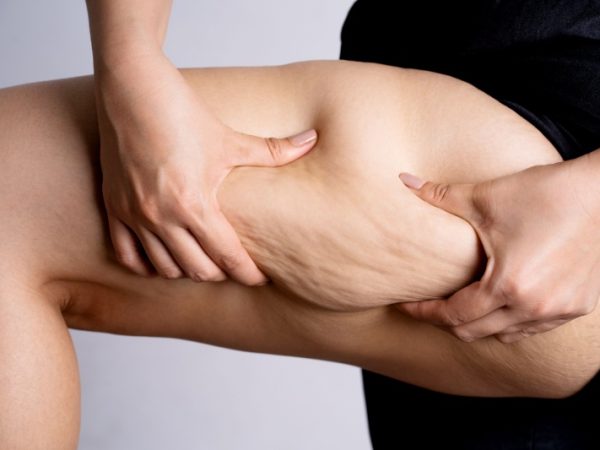
Lipedema’s outward manifestations — uneven fat on her hips, thighs and arms, nodular skin — shift the way they see themselves and how others react. These changes erode self-confidence. Many women tell me they find themselves staring at clothes that no longer fit or avoiding mirrors, and that daily noticing becomes a constant drumbeat that the body is not how it used to be.
As symptoms advance, the ever-present visual reminder of transformation can foster chronic discontent and a warped self-perception.
1. Body Dysmorphia
Weird fat and bumpy skin can make us develop a distorted body reality. Patients obsess over lumps or bumps, which fuels the negative self-talk and body-checking.
Relentless exposure to cultural comparison—thin legs, soft skin—drives the wedge even further in between self and ideal. Incremental form changes make the issue seem unavoidable. Each phase can contribute new origins of suffering.
Manifestations become proof in one’s head that you are falling short of social expectations, and self-reproach becomes more difficult to muffle.
2. Social Withdrawal
Stigma and lack of understanding cause others to retreat from social life. They stay away from crowds because they’re afraid of being judged or they can’t get around.
Isolation comes next. Friends do not understand your daily thresholds of pain or swelling, which feeds loneliness. Public stigma, scornful clinician behaviors, or thoughtless comments can destroy faith and prevent the afflicted from care.
As social interaction decreases, confidence decreases. The world becomes less hospitable and more dangerous.
3. Intimacy Fears
Fears of rejection and exposure impact love life. Concern over experiencing pain while being close or the visual of distorted limbs can render intimacy insecure.
Feeling ugly diminishes self-value and sexual interest or openness to dating. It is difficult to communicate pain levels, compression needs, or emotional thresholds to partners.
Too many are afraid to be perceived as ‘too much’ to handle. Transparency is liberating, yet anxiety tends to prevent it from being tried.
4. Wardrobe Anxiety
It’s like finding clothes that fit is a constant battle. Few choices constrict how individuals communicate via dress, and that counts for identity and spirit.
I dress for public events and it causes me stress. Will it make us look good or will it highlight the disparity? Shopping failures and tattoo-like marks from compression garments are a constant reminder of the confidence-crushing condition.
Little decisions such as covering your arms or opting for darker fabrics turn into ways to camouflage and attract less attention.
5. Imposter Syndrome
Self-doubt permeates work and accomplishment. Women can sense their own triumph is fraudulent, dreading that when they toast victories, they will unveil the “actual” self.
It takes effort and causes additional anxiety to conceal symptoms and pretend it does not bother you. Compliments can be shrugged off because the inside does not align with the outside.
This inner turmoil can decelerate professional advancement and minimize the opportunity to request required professional accommodations.
Beyond The Physical
Lipedema’s outward manifestations are merely the tip of the iceberg. It has profound psychologic consequences that define routine existence, sense of self, and interpersonal connections. Below are targeted regions where the cognitive and emotional effects manifest and why psychiatric support needs to be included in the normal protocol for treatment.
Constant Pain
Chronic pain and discomfort alter the way we navigate our day. Everyday activities seem more difficult when legs throb, edema intensifies after being on your feet, and rest is frequently interrupted by aches and pains. Pain drains energy and patience, which in turn decreases professional and social performance.
Chronic pain makes you cranky and emotionally taxed. Minor setbacks chafe and ignite big reactions when pain has scoured coping stores. Over time, this can lead to avoidant behavior such as skipping outings, turning down invitations, and isolating.
Pain restricts movement and therefore decreases opportunities to employ exercise as a mood tool. If walking, dancing, or sports become painful, they lose an outlet for stress and social contact. That loss, in turn, bleeds back into worse mood and less wellbeing.
The cumulative effect is clear: ongoing pain raises the risk for long-term mental health issues, including depression and anxiety, and can make recovery from those issues slower.
Medical Gaslighting
Too many lipedema patients recall that early symptoms were ignored or attributed to weight alone. Hearing that pain or swelling is ‘just fat’ is genuinely psychologically damaging. This misattribution undermines self-trust and generates uncertainty about one’s own body wisdom.
Being repeatedly denied a correct diagnosis makes you feel helpless and frustrated. Women experience these delays in the thousands, reporting averages of 18 years and medians of 26 to 40 years from first symptoms to diagnosis. That delay causes added suffering and saps trust in clinicians.
It’s tiring to seek validation. Endless appointments, second opinions, and advocacy sap time, money, and emotional energy. Such delayed or ill-suited treatment undermines trust in the system of care and dissuades future help-seeking.
Spouses and family members can mitigate such damage by affirming symptoms and assisting in care navigation. They alleviate loneliness and mental stress.
Public Stigma
Cultural attitudes about fat and wellness influence our everyday relationships. Being fat results in stares, mean comments, and the assumption that you’re lazy and eat poorly. Those outward markers of difference draw uninvited attention and occasional harassment.
Weight stigma leads to internalized bias. They start to believe those negative stereotypes themselves, believing they don’t deserve social happiness or professional success. This self-bashing eliminates opportunities for positive experiences and can intensify depression.
Around 40% of women with lipedema exhibit moderate to severe depression. Practical problems exacerbate this stress. Ninety-five to one hundred percent of women with lipedema cite difficulty finding clothes that fit, which adds to the humiliation and constrains self-expression.
Stage 3 patients deal with more staring, logistical obstacles, and workplace discrimination. Internal weight bias can connect these experiences to more severe depression, making psychological support critical.
The Diagnostic Maze
The winding road to a proper diagnosis often defines the way lipedema influences self-image and confidence. For many patients, it’s a confusing climb against a wayward body and an unfathomable society. Initial symptoms, such as excess fat in the buttocks and legs, aches, easy bruising, and restricted mobility, are easily attributed to mere weight gain.
That dismissal breeds complexity, postpones treatment, and intensifies suffering.
Years of Blame
They blame themselves for years. They bring their guilt over weight gain and bio-chemical swings and feel that they should hold accountability for changes that are beyond their jurisdiction. Friends, family, and clinicians will regurgitate messages about diet and willpower.
Being told to ‘just lose weight’ destroys faith in body and self. Others are more brutal. Patients tell of derogatory remarks, skepticism, and isolation. Others claim they were ostracized at the office or dinner parties because their legs appeared off.
Repeated accusations leave long-term scars, such as avoidance of social settings, hiding under loose clothes, and chronic low self-esteem. Cultural messages about obesity and personal responsibility get absorbed. Women attempt radical diets, experience shame when those crash and burn, and even slip into symptom denial to elude the stigma.
That denial breeds isolation and postpones pursuing proper care.
Financial Strain
Lipedema care can be expensive over years. Compression garments, manual lymphatic drainage, specialist visits, and for some, lipedema-focused surgery accumulate. Almost everyone runs into insurance denials for anything they call cosmetic, compelling expensive out-of-pocket spending.
Economic strain reduces options. Some patients forego suggested therapy, select sub-optimal care, or journey great distances to find providers who understand. Budgeting for health battles, rent, food, and work expenses adds to the stress.
Financial strain impacts mental health too. Concern over bills and future care can exacerbate symptoms of depression and complicate treatment adherence. The burden is practical as well as emotional.
Emotional Relief
To be given a definitive diagnosis is frequently a source of quantifiable relief and optimism. Once symptoms are labeled and described, psychological distress decreases because the patient no longer feels completely to blame. Validation is tremendous; it verifies that these changes are a component of a chronic disease, not a moral failure.
Knowing the root cause empowers a person. Knowledge leads to targeted strategies such as appropriate compression, tailored exercise, and when suitable, surgical options. Emotional support at this stage is key. Peer groups, informed clinicians, and transparent information combat isolation and ease coping.
Post-diagnosis some continue to have bad days and physical limitations. Many experience less shame and a more defined blueprint for life day-to-day. Validation doesn’t take away the battle, but it changes the story from fault-finding to coping.
The Body Betrayal
Lipedema is an abnormal, localized accumulation of fibrous fatty tissue, usually found in the buttocks and legs. That bodily shift primes the stage for feelings of betrayal. The body no longer responds to the regimen most of us are taught: calorie control and exercise. That disconnect generates rage and grief and a constant drain of confidence in one’s own body.
Diet Failure
They describe immense frustration when they find that diets and strict meal plans do nothing to slim down their limbs. Months of meal prepping and tracking and the scale or mirror reflects little change. That letdown is not mere willful obstinance; lipedema fat reacts differently to calorie deficit than standard fat.
Repeated tries can cause emotional burn-out, making even minor achievements feel empty. Societally, this is exacerbated when peers or practitioners presume it’s a case of gluttony, turning the blame inward towards the person and away from the illness. The disparity between bodies displayed in media and one’s own morphing figure frequently intensifies humiliation.
For others, online support groups and patient organizations provide a more convincing explanation and cut down on the self-blame by demonstrating others with the same outcome despite healthy diets.
Exercise Frustration
Exercise may aid mobility and mood, but typically results in minimal alteration of limb size among patients with lipedema. That gap brings discouragement: effort does not equal visible results. Physical pain, bruising, and limited stamina restrict possible exercises, making typical gym workouts impractical.
The emotional toll multiplies when friends drop pounds and the lipedema sufferer does not, strengthening a feeling of abandonment. Customized movement—low-impact cardio, hydrotherapy, selective strength work—maintains function and diminishes pain, but demands time, support, and frequently, expense, which can create yet another stress overlay.
Identity Loss
Incremental body change changes how people perceive themselves. When legs and hips grow despite healthy choices, the identity can shift. Others talk about being a stranger in their own skin and not trusting what their body is going to do next.
That loss of control feeds a deeper loss of identity: roles once tied to appearance or physical ability, such as athlete, professional, or partner, may feel unstable. Many manage to do so by maintaining a façade and shunning talk of their condition to meet social expectations, which ultimately isolates and extends suffering.
Still others find freedom in disclosure by telling friends and joining support groups, which often provides understanding and a way to redefine self-worth beyond appearance. Lipedema can cause genuine disability and psycho-social stress, so identity reconstruction often involves embracing constraints as you search for a new outlet for worth.
Reclaiming Yourself
Reclaiming yourself post-lipedema diagnosis is about learning to see your body, your decisions, and your future through a new lens. It asks for small, steady changes: practical symptom strategies, building supports, and choosing activities that restore a sense of agency. Here are fundamental actions to restore your confidence and self-respect.
-
Learn the condition, read reputable sources, track symptoms, and bring notes to appointments.
-
Seek specialist care. Find clinicians who recognize lipedema and offer options suited to you.
-
Build daily routines: compression, gentle movement, and skin care tailored to comfort.
-
Set achievable goals: short weekly targets and longer quarterly aims to show progress.
-
Find peers: online forums, local groups, or therapy for shared experiences and advice.
-
Celebrate wins: Record non-appearance successes like endurance, mood, or reduced pain.
-
Advocate: Document visits and ask for second opinions when needed.
-
Invest in mental health. Consider counseling, mindful practices, or support groups.
Find Community
Local support groups at clinics or community centers gather in person and offer emotional support and practical advice for managing symptoms, dressing, and navigating healthcare. National and international patient organizations operate moderated forums, publish resources in metric measures, and refer people to local specialists.
Private social media groups and forums about day to day life with lipedema, where members exchange product reviews, tips for compression fitting, and coping strategies. Professional networks such as physiotherapists, lymphatic therapists, and psychologists conduct group sessions or workshops on movement and pain.
Telehealth peer programs pair ‘veteran’ patients with incoming patients for one-on-one mentoring. With others, it beats loneliness, confirms you’re not alone in being misunderstood by family or singled out, and creates a protective blanket of both practical and emotional assistance.
Peer support makes it easier for people to cope and persist when social alienation or ambiguity about the future feels claustrophobic.
Redefine Beauty
List traits you value: kindness, resilience, skill, creativity, humor, reliability. Wear what fits comfort and function, not just trends. Restrict social media that demands one standard. Follow disparate body voices.
Practice self‑affirmations focused on abilities and character. Create a beauty board of nonphysical qualities and achievements. Self-acceptance expands by identifying what counts besides looks.
By turning our attention to health and wellbeing, we support a positive body image in the face of physical symptoms. Compile and review a list of what makes something beautiful to you.
Celebrate Movement
Warm-up routines: short gentle stretches to reduce pain and prepare the body. Low-impact cardio includes walking, water aerobics, and cycling adapted to comfort levels. Strength work involves light resistance to support mobility and reduce fatigue.
Mind-body practices include yoga or pilates modified to avoid joint strain. Track progress: journal sessions, note pain changes, record mood shifts. Witnessing what the body is capable of does wonders for both mood and confidence.
Set achievable goals, record modest wins, and select activities that seem invigorating, not draining.
Advocate Fiercely
Reclaim yourself in medical visits with notes and questions. Enlighten family and peers to cut down on stigma and ignorance. Become or initiate advocates for better treatment access. Document your journey to guide others.
Advocacy returns control and a mission.
Professional Allies
A multidisciplinary team assists lipedema patients in symptom management and defense of self-image through medical, physical, and emotional support. Various professionals contribute particular expertise that, when orchestrated, minimizes seclusion and assists patients in implementing realistic modifications to everyday living.
|
Professional |
Role |
Benefit |
|---|---|---|
|
Vascular specialist / dermatologist |
Diagnose lipedema, rule out other causes, advise on skin care |
Clear diagnosis reduces blame and confusion; guides treatment choices |
|
Plastic/reconstructive surgeon |
Evaluate surgical options (e.g., liposuction suited for lipedema) |
Can reduce tissue bulk, improve mobility and clothing fit |
|
Lymphologist / physical therapist |
Provide manual lymphatic drainage, compression fitting, exercise plans |
Eases pain and swelling, restores movement, helps daily self-care |
|
Psychologist / counselor |
Treat anxiety, depression, body-image distress, provide coping skills |
Helps rebuild confidence and handle social stigma |
|
Nutritionist / dietitian |
Offer anti-inflammatory eating plans and weight-stable strategies |
Supports symptom control without blaming patient for fat distribution |
|
Pain specialist |
Manage chronic pain with medications, injections, or nerve therapies |
Improves function and quality of life, enabling social and work activity |
|
Social worker / patient navigator |
Connect to resources, advocate within health systems |
Reduces the uphill battle of paperwork and access hurdles |
|
Peer support groups |
Lived-experience guidance, practical tips on clothing, mobility |
Lowers feelings of being different, offers real-world coping ideas |
Psychological care is concerned with the emotional toll of lipedema. Therapy assists in working through the emotions of being targeted and managing haters and naysayers. Thinking strategies can transform self-talk that stemmed from years of stigma.
Couples or family therapy can help partners who already assist with physical care and emotional labor transform haphazard assistance into strategic, sustainable support. Group therapy and peer-led meetings can provide validation of experience and break down isolation for those who felt misunderstood.
Integrative approaches combine medical, physical, and psychosocial care to address the whole individual. Allies in the Clinic coordinated plans that pair compression and physical therapy with mental health support and nutrition advice. This lowers symptom burden and improves daily confidence.
For instance, a patient who receives surgical reduction and adheres to a customized rehab and counseling regime commonly experiences improved mobility and reduced social withdrawal compared to surgery alone.
Open communication with providers improves outcomes. Share specific experiences of disbelief, exclusion, or hurtful remarks so clinicians see the full impact beyond measurements.
Ask about goals beyond scale numbers, like clothing choices, workplace comfort, or intimacy. Request coordinated referrals and clear action steps, and bring a partner or advocate to appointments if that helps convey daily challenges.
Being open about the condition can prompt support from friends and family and make professional allies more effective.
Conclusion
Lipedema transforms life in blaring, weighty manners. It changes the way clothes fit, shifts plans with friends, and sucks energy. A lot feel less confident in their appearance and less confident to participate. Small wins count. Getting a definitive diagnosis, experimenting with compression, and collaborating with an OT or PT provide genuine transformation. Peer groups provide consistent, experienced advice and soothing camaraderie. Concrete actions, such as customized workouts and a nutrition system that works for your lifestyle, create consistent momentum. Believe in incremental victories. Record mobility, pain, and mood. Notice increases in those metrics, more than scale numbers. Contact a specialist or support group near you to begin. Visit one step today toward care and a clearer self-view.
Frequently Asked Questions
What is lipedema and how can it affect self-image?
Lipedema is a disease that creates outsized fat deposits, typically in the limbs. It results in visible changes, pain, and clothing challenges that can take a toll on self-image and body confidence.
Why do people with lipedema often feel misunderstood?
Lipedema is often mistreated or dismissed as weight gain. This causes stigma, frustration, and isolation, which fuels shame and diminishes self-esteem.
Can treatment improve confidence and self-image?
Yes. Whether it’s compression therapy, physical therapy, and conservative care or lipedema-aware surgery, treatments reduce symptoms, improve mobility, and restore a sense of control, which often increases confidence.
How can mental health support help people with lipedema?
Therapy, peer support, and body-positive counseling help process grief, manage anxiety, and rebuild self-worth. Mental health care supplements medical care for better outcomes.
What should I ask a professional about my self-image concerns?
Inquire about treatment realistic results, symptom management, and referrals to mental health or support groups. Ask for a total care plan that meets your physical and emotional needs.
Are there everyday strategies to improve confidence with lipedema?
Yes. Supportive clothing, pacing and gentle exercise, skin care, and little goals! These tangible efforts can boost comfort and everyday confidence.
How can I find credible information and care for lipedema?
Look for clinicians who specialize in lipedema, search peer-reviewed research, and check out patient advocacy groups. Check credentials and treatment experience for trusted care.