
Key Takeaways
-
Type 3 lipedema indicates full leg involvement with fat deposits present on both thighs and calves, causing pain, swelling, and limited mobility.
-
Right diagnosis is crucial because type 3 lipedema symptoms may overlap with obesity or other conditions. Clinical examination and imaging are important to distinguish them.
-
Early intervention and personalized management from conservative care to surgical options as needed can slow disease progression and improve quality of life.
-
Fatigue, discomfort, and swelling can vary on a daily basis. Noting these trends can help you better manage your symptoms.
-
Emotional and social effects are prevalent. This emphasizes the importance of psychological support and public education to alleviate stigma and build strength.
-
Active research and advocacy are continually pushing the boundaries of knowledge and care, so it is essential for patients and clinicians alike to stay up-to-date with emerging information.
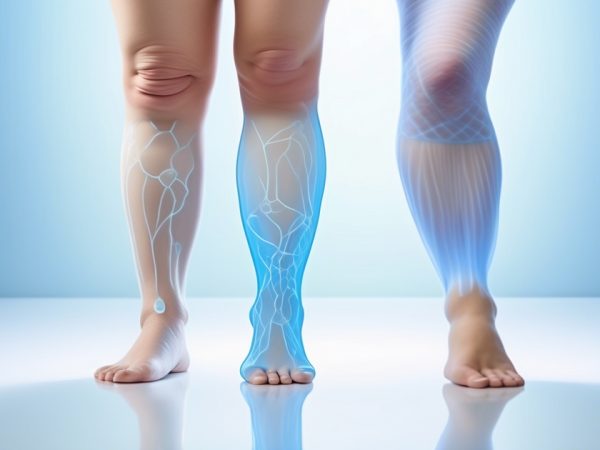
Type 3 lipedema full leg involvement is where fat builds up from the hips down to the ankles, while feet remain slim. Most people who develop this type observe swelling, pain, and soft or lumpy skin.
Most cannot walk as the legs become too heavy. This type manifests more in women. If you want to know what causes it and what helps, keep reading for more info and advice.
Defining Type 3
Type 3 is full leg lipedema, impacting both the thighs and calves with excessive fat accumulation. This late stage causes obvious body shape changes, with tissue that is coarse, thick and hard to the touch. Overhanging fat lobules, known as panniculus, frequently develop around the knees or thighs and the skin may exhibit a dimpled, ‘orange peel’ appearance.
These aren’t just cosmetic changes; pain, swelling, and loss of mobility are common, rendering everyday tasks more challenging. Knowing how type 3 differs from previous types and the symptoms is crucial for patients and providers to select the appropriate treatments.
1. The Classification
Lipedema is classified into stages and types according to the location and extent of fat accumulation. Type 1 is confined to the buttocks and hips. Type 2 extends to the thigh. Type 3 extends down the entire leg from hip to ankle but leaves out the feet.
This means fat and tissue changes are far more extensive. Diagnosis depends on observing these patterns and the feel of involved tissue. Key type 3 features are hard, lumpy skin and large, overhanging fat pads. This distinguishes it from types 1 and 2, which have smaller areas of involvement and less dramatic changes.
Getting the diagnosis right is crucial as it steers the selection of treatment.
2. The Progression
Type 3 tends to develop from earlier stages as fat lobules become thicker and skin alterations become more pronounced. As additional fat accumulates, the risk of secondary lymphedema increases. Mobility can become more restricted as the legs grow heavier and stiffer, resulting in joint pain and decreased capacity to walk or stand for extended durations.
Daily tasks might require more exertion, and pain can be ever-present. Early treatment can help slow these changes and prevent symptoms from worsening.
3. The Distinction
Type 3 lipedema is not obesity or lymphedema, though it may appear to be. Unlike obesity, the fat in lipedema isn’t responsive to diet and exercise. Lipedema swelling does not normally extend to the feet, as seen in lymphedema.
You might think that weight loss will solve the problem, but lipedema fat is stubborn. Symptoms such as pain and orange peel skin can result in misdiagnosis or confusion with other conditions. Treatment needs to target the specific tissue transformations and not simply fat reduction.
4. The Misconception
To a lot of people, lipedema is simply a cosmetic issue, but it’s actually a medical condition that causes genuine pain and suffering. Others experience ongoing pain and have difficulty with self-image as the disease transforms the body in overt ways.
The emotional distress can be just as hard as the physical manifestations. Awareness raising is required so that individuals receive appropriate care and support.
The Physical Reality
Type 3 lipedema with full leg involvement makes those physical transformations obvious. The thighs are disproportionately huge compared to the rest of the body, with fat deposits radiating from the hips all the way to the ankles. The skin is bumpy and nodular, and there can be prominent, overhanging folds of fat around the thighs and knees.
Bruises can occur even from minor knocks. The tissue is stiff and less resilient, and there’s frequently swelling. These changes can render moving around and being comfortable each day far more difficult.
Daily Symptoms
-
Leg pain and tenderness at rest, which is exacerbated by slight pressure.
-
If your legs feel heavy or tight, particularly in the lower legs, then standing or walking can become tiring.
-
Swelling increases as the day passes, particularly after activity such as sitting or standing.
-
Exhaustion, not just from activity, but from the body having to work really hard to get around.
-
Your skin will bruise after the slightest contact and your legs may turn cold or become hypersensitive.
-
Discomfort may increase with heat, prolonged activity, or constrictive clothing.
Symptoms can diminish with rest or exacerbate with prolonged standing. Hot climates and humidity tend to exacerbate swelling. Edema, or fluid buildup, contributes to pain, pressure, and swelling, further firming the tissue.
Observing day-to-day variation assists many patients in identifying trends and determining what provides relief or sets off a flare.
Mobility Impact
Swollen legs and heavy thighs reduce mobility and make simple activities, such as standing up or walking up stairs, more difficult. The burden and ache can make moving a challenge, and a lot of folks avoid fitness because it is painful or just feels too difficult.
Muscle can atrophy from less movement, which contributes to frailty and makes walking or standing even more exhausting. Others will discover that even brief walks or light chores lead to fatigue.
Over time, this cycle can result in decreased activity, which accelerates muscle atrophy. Doing some type of exercise, such as swimming or water aerobics, can help you keep strong.
Custom exercise plans, under the direction of a physician, could keep legs active and stall atrophy without aggravating pain.
Associated Complications
|
Complication |
Description |
Potential Risks |
|---|---|---|
|
Lymphedema |
Fluid buildup in tissues due to blocked lymph flow |
Greater swelling, skin changes |
|
Skin issues |
Hard, thick, or cracked skin over swollen areas |
Infection, sores |
|
Cellulitis |
Skin infection that can develop from minor breaks |
Fever, serious illness |
|
Metabolic disorders |
Changes in fat and hormone levels |
Diabetes, heart problems |
Disrupted lymph flow increases the risk of cellulitis, a life-threatening infection. The swelling and skin changes make the skin more prone to breakdown or infection.
If left untreated, lipedema can lead to co-morbid health complications such as metabolic syndrome or diabetes. Routine visits and prompt care are essential to identify problems before they escalate.
The Diagnostic Journey
Diagnosing type 3 lipedema with full leg involvement is a stepwise process that calls for careful evaluation, since symptoms often mimic other conditions and are frequently misunderstood. The journey starts with an initial consultation and unfolds through clinical assessment, imaging, and the process of ruling out similar diseases.
This checklist outlines the essential steps:
-
The Diagnostic Journey involves a process where individuals seek to understand their health conditions through various assessments and evaluations.
-
Collection of comprehensive patient history.
-
Physical exam for fat distribution, skin changes, nodularity.
-
Imaging is used to evaluate tissue and to rule out other causes.
-
Differential diagnosis to exclude obesity, lymphedema, and vascular diseases.
-
Confirmation of diagnosis and discussion of next steps.
Clinical Assessment
An exhaustive clinical examination is the foundation of lipedema diagnosis. It’s not just a quick once over. The pros search for defining features such as symmetrical fat deposits from hips to ankles, tenderness, and firm or nodular skin in stage 3 cases.
Nodularity and pinning or an increase in tissue hardness are definitive markers that differentiate stage 3 from the softer stages that come before it. Patient history is a big deal. Chronic pain, family history, and a pattern of swelling that can’t be reduced by diet or exercise indicates lipedema, not just obesity.
Many patients feel forgotten, like they’ve been written off, told to lose weight or it’s their fault for drinking or drug use. This is why clinicians should acknowledge lipedema’s distinct signature and steer clear of conventional traps. Physical exams need to look for sparing of the feet, bruising and changes in skin texture.
Patients can assist themselves by advocating and demanding a serious evaluation. This step is critical because lipedema so often gets misdiagnosed or swept aside, resulting in delays and increased trauma, physically and emotionally.
Imaging Techniques
Imaging such as ultrasound or MRI can help clarify the diagnosis. Ultrasound reveals the distinction between healthy and lipedema tissue, particularly in later stages when nodules develop under the skin. MRI provides a more detailed view of fat distribution and potential lymphatic or vascular involvement.
Imaging is useful for more than lipedema. It aids in differentiating it from lymphedema, where swelling frequently begins at the feet, or from obesity, in which fat is more uniformly distributed. Using these tools, particularly in difficult cases, bolsters a more precise diagnosis and aids in charting treatment.
For patients with indurated, painful tissue and significant volume changes, advanced imaging can help identify the extent of involvement and tissue changes. This information helps to guide the care plan.
Differential Diagnosis
Other things frequently masquerade as lipedema. Obesity, venous insufficiency and lymphedema are at the top. Doctors have to exclude these with thorough exams, history, and imaging. Obesity by itself doesn’t cause the pain, bruising or nodular skin that you see in lipedema.
Lymphedema may overlap and typically causes asymmetric swelling and affects the feet. Lipedema spares the feet and is symmetrical. These clues distinguish the two. Still, symptom overlap makes diagnosis tricky and can lead to years of confusion or misdiagnosis.
A team approach helps specialists from other fields, like dermatology, vascular medicine, and physical therapy, bring more expansive expertise. This is critical in advanced stages, where impairment to life is the greatest.
Management Strategies
Type 3 lipedema with full leg involvement requires a holistic, personalized treatment plan. Management typically combines conservative and surgical options, with continued efforts supporting quality of life. Early and aggressive treatment improves the likelihood of better outcomes and slows progression. Patients do well with a plan that aligns with their symptoms, lifestyle, and goals.
-
Conservative care includes compression therapy, manual lymphatic drainage massage, complex decongestive physiotherapy, and lifestyle changes such as diet and exercise.
-
Surgical options: specialized liposuction, other surgical techniques.
-
Personalized treatment plans tailored to unique patient needs.
-
Ongoing education and patient support.
-
Regular input from healthcare professionals for guidance and monitoring.
Treatment plans should always be customized. What works for you might not work for me. Healthcare professionals are key in this, directing patients through options and tracking outcomes. Education and support empower patients — they enable them to see their choices and stay connected to their care.
Conservative Care
Compression therapy stands as a core part of conservative management. Compression garments, when properly fitted, deliver gentle pressure to the legs. These can help reduce capillary fragility, support lymph flow, and offer pain relief. The fabric in these garments can micromassage the skin and reflect far infrared energy, which may support superficial lymphatic drainage.
MLD massage has been beneficial even with early lipedema. MLD can alleviate pain, induce a feeling of well-being, and is an integral component of complex decongestive physiotherapy. Complex decongestive physiotherapy incorporates compression bandaging and skin care and can reduce pain severity.
Lifestyle changes, such as a nutritious diet and consistent exercise, assist in controlling symptoms and reduce the risk of obesity, which can exacerbate lipedema. Exercise, such as swimming, walking, or cycling, can help with mobility and well-being.
Ongoing visits to health providers are necessary to monitor improvement and tweak treatment. Conservative care isn’t one-size-fits-all and regular check-ups help keep plans effective.
To explore these conservative tools at least as part of a bigger plan is to give yourself the best chance for long-term success.
Surgical Options
Surgery can be an option when non-invasive treatments don’t offer sufficient relief. Through specialized liposuction techniques like tumescent or water-assisted liposuction, abnormal fat deposits are eliminated without damaging healthy tissues.
Surgery can provide advantages such as enhanced mobility, decreased pain, and improved contour. There are risks including infection, scarring, and possible recurrence. Results vary by surgeon expertise and aftercare.
It is very important to consult with surgeons who have experience in lipedema. Their experience can assist patients in balancing risks and benefits and establishing pragmatic objectives.
For most, surgery is an option when other interventions are insufficient.
Lifestyle Integration
Integrating lifestyle changes into your everyday life is crucial for managing type 3 lipedema. A balanced diet, low in salt and processed foods, can help prevent weight gain and may relieve symptoms for some individuals.
Exercise tailored to capability can increase strength and preserve mobility. Daily movement, even if light, is key.
Stress management is an underappreciated yet unrecognized piece since chronic stress can exacerbate symptoms. Mindfulness, breathwork, or compassionate coaching can assist.
By embracing easy routines, such as a daily stroll, meal prep, or community support, healthy shifts become sustainable and powerful.
Beyond The Physical
Type 3 lipedema is about more than just the physical. The complete leg engagement delivers not just discomfort and inflammation but profound social and psychological obstacles. Individuals surviving this phase experience concerns that reach far beyond physical pain. Many have their daily life altered by obvious symptoms, altered mobility, and other people’s perception of them.
Emotional Toll
The psychological scar goes deep for Type 3 lipedema warriors. Anxiety and depression come along for the ride, fueled by unrelenting physical pain, the stress of looking swollen, and the dread that symptoms will worsen. Chronic pain and loss of mobility compound this burden.
Others are ashamed or embarrassed by the appearance of their legs and suffer from low self-esteem and body image issues. It’s so damn easy to feel like you’re the only one. Others retreat from friendships or group environments because they fear suspicion.
Mental health support is crucial here. Counseling and therapy can assist individuals in navigating emotions, provide coping mechanisms, and foster their confidence. There are online communities and local groups where we can gather to share stories. These relationships matter, as individuals understand they’re not facing this alone.
Social Impact
Type 3 lipedema alters the way people engage with the world. Visible swelling can make even basic trips feel overwhelming. Some might skip events, avoid public spaces, or reject invitations not out of desire but because they dread stares or uncomfortable questions.
Social stigma is an actual issue. Lipedema is a misunderstood condition. A lot of people think it’s just weight gain and that causes unfair judgment and alienation. Such confusion can drive individuals deeper into isolation.
Establishing a powerful network does. Companionship — friends and family who reach out to understand can provide soothing acceptance. Finding others with lipedema — in person or online — provides people with a sense of community.
Advocacy is critical. When you educate others about lipedema, you not only help break down stigma, you foster better support.
Building Resilience
Resilience is required to confront the peaks and valleys of Type 3 lipedema. Some days will be more difficult than others. Here’s what I do to get through. Small goals, focusing on what can be done, and celebrating even slow progress can help boost spirits.
Advocating for yourself counts. Patients who advocate on their own behalf, bring questions to doctors’ appointments, and demand more aggressive treatment tend to have better outcomes. Support groups provide a space to exchange advice, trade experiences, and reinforce that an engaging, vibrant life can be had.

Future Outlook
Type 3 full leg lipedema – the struggle continues. It might not reduce life expectancy, but it messes with life and psyche. Thanks to increased research and advancing therapies, a lot of people now control symptoms more effectively and live active lives.
As always, early intervention and comprehensive care are key to slowing progression and improving long-term outcomes.
Emerging Research
New research has shed light on how lipedema develops. Scientists now know that alterations in fat tissue and lymphatic function are involved. This insight shapes and informs new and old treatments.
Researchers are still investigating how hormones, genetics, and inflammation might play a role. Clinical trials are ongoing for new drugs and non-surgical therapies. Some address swelling and pain, while others investigate how to prevent fat accumulation.
The table below highlights current findings and treatment implications:
|
Research Area |
Key Findings |
Treatment Implications |
|---|---|---|
|
Fat tissue biology |
Abnormal fat cell growth, poor lymph flow |
Targets for new drugs |
|
Hormonal influence |
Hormonal shifts may trigger progression |
Personalized hormone-based therapies |
|
Inflammation markers |
Chronic low-grade inflammation is common |
Use of anti-inflammatory treatments |
|
Genetics |
Possible genetic links identified |
Family screening, tailored care |
Here clinical trials offer patients an opportunity to test new avenues. Patients interested in participating should consult with their care teams. Keeping up with the lipedema community via forums, support groups, or newsletters keeps people alerted to research news that might enhance their care.
Long-Term Health
Even more important is long term monitoring if you have Type 3 lipedema. Routine follow-ups catch new symptoms or complications. Several encounter additional hazards, such as being overweight or having a metabolic disorder, which may put even more stress on health.
Lipymphedema that’s left untreated can worsen, creating more pain, less mobility, and more emotional burden. This is what makes early medical care significant.
Both surgical treatments such as liposuction and non-surgical treatments like compression therapy and exercise have demonstrated favorable outcomes in alleviating symptoms and delaying progression.
A holistic approach works best. That is, not simply prioritizing the body, but looking after your mind and social needs. Developing a solid support network, pursuing therapy when necessary, and remaining engaged with community organizations have an impact on day-to-day living.
Conclusion
Type 3 lipedema full leg involvement presents obvious symptoms you can observe and touch. Swelling, pain, and shape changes rear their unpleasant head in your daily life and can keep you from moving. It’s a diagnosis that can take time, but it allows people to find the right care. Physicians typically rely on physical exams and patient discussions of symptoms to diagnose it early. Easy things like walking every day, eating right, and having the support of people around you really impact. Many of us are hopeful with new treatments and increased awareness. To find out more or get help, speak with a health care provider or connect with a support group. You don’t need to do this alone—there are real answers and help available.
Frequently Asked Questions
What is Type 3 lipedema with full leg involvement?
Type 3 lipedema involves the full leg, from hips to ankles. It leads to symmetrical fat accumulation and swelling and typically spares the feet.
How is Type 3 lipedema diagnosed?
Type 3 lipedema full leg involvement diagnosis for the care and management.
What are common symptoms of Type 3 lipedema?
Typical symptoms are heavy, painful legs, swelling, and easy bruising. Fat distribution is symmetrical and does not reduce with diet or exercise.
Can Type 3 lipedema be cured?
Unfortunately, lipedema can’t be cured. Symptoms can be treated with things like compression, exercise, and specialized surgery.
What treatment options are available for Type 3 lipedema?
It’s treated with compression garments, manual lymphatic drainage, low impact exercise, and liposuction. Early treatment makes all the difference.
Is Type 3 lipedema related to obesity?
Type 3 lipedema is not obesity but may appear as such. It is a condition of abnormal fat deposits and frequently does not respond to weight loss.
Does Type 3 lipedema affect mental health?
Yes, the constant pain and cosmetic appearance can affect self-esteem and mental health. Support and counseling can be beneficial for some individuals.