
Key Takeaways
-
Lipedema is not regular obesity. It involves specific adipose tissue dysfunction, hormonal imbalances, and increased systemic inflammation.
-
Tirzepatide’s dual GLP-1 and GIP receptors activation effects, fat metabolism promotion, inflammation reduction, and insulin sensitivity improvement could be advantageous for lipedema.
-
Preliminary clinical data indicates tirzepatide promotes weight loss, metabolic health, and could present a safe option for patients with lipedema.
-
Besides weight loss, tirzepatide could increase mobility, quality of life and control comorbidities like type 2 diabetes.
-
Personal experiences demonstrate tirzepatide’s ability to improve both day-to-day functioning and symptom relief in lipedema, emphasizing the importance of patient anecdotes.
-
Active tirzepatide monitoring is crucial with lifestyle modifications and multidisciplinary care in effective lipedema management.
Tirzepatide effect on lipedema fat for lipedema fat reduction. Initial results indicate that tirzepatide, the dual-action blood sugar and weight loss drug, reduces fat in lipedema patients.
Other research points out less swelling and pain. Outcomes differ, and not all patients have a definitive response.
The main body will examine existing research and real world results.
Lipedema vs. Obesity
Lipedema and obesity can appear similar, but they’re definitely not. Both appear as excess fat, but the origin, how the fat accumulates, and the body’s response are all different. Being clear on the specifics helps explain why fresh therapies, such as tirzepatide, are being considered for these disorders.
Lipedema is a chronic fat disorder, not a consequence of overeating or under-exercising. It predominantly impacts women and manifests as dense, tender fat on the hips, thighs, and legs. Obesity results from a calorie surplus with the body distributing additional energy as fat all over.
Lipedema fat accumulates in specific areas, and it won’t dissipate with diet or exercise. Obesity fat can be reduced if one eats less or exercises more. Both can complicate life, but lipedema is often more painful and swollen. Lipedema is often confused with obesity. It is a distinct illness with separate indicators.
The adipose tissue in lipedema is special. Fat cells in lipedema are larger, retain more water and do not reduce easily. They fight off normal fat loss, even with rigorous diets.
In lipedema, the fat is harder and lumpy as a result of fibrotic changes. This is not observed in typical obesity. Fat in obesity is more diffuse and can be reduced through lifestyle modifications.
Hormones are a big factor in lipedema. A lot of women with lipedema say that symptoms begin or worsen during periods of hormone shifts, such as puberty, pregnancy, or menopause. Studies indicate estrogen receptor issues in lipedema.
These defects may assist the fat cells expand and continue to swell. Obesity can be connected to hormone problems as well, but it is typically fueled by insulin resistance or hunger hormone shifts. The hormonal dysregulation in lipedema is more centered around estrogen action.
Inflammation is elevated in both, but it functions differently. Lipedema has a greater M1 macrophage population. These immune cells induce swelling and pain.
These cells then secrete chemicals such as TNF-α, IL-6, and MCP-1, which further inflame the tissue and lead to additional fibrosis. Obesity, too, brings inflammation, but it is more diffuse and associated with the overall fat burden.
Lipedema’s inflammation is local and stubborn, so it lingers beyond weight loss.
Tirzepatide’s Mechanism
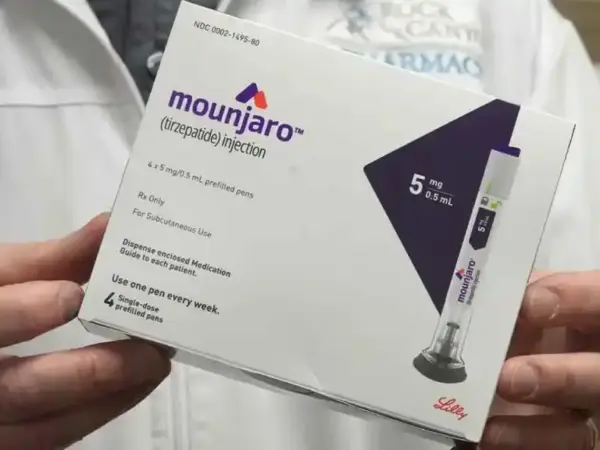
Tirzepatide is a dual GIP/GLP-1 receptor agonist. It imitates two gut hormones that control blood sugar, hunger, and digestion. It is now used for Type 2 diabetes and is being investigated for weight and fat loss, including in lipedema.
Below is a summary of its pharmacological profile:
|
Feature |
Mechanism/Effect |
|---|---|
|
Class |
Dual GLP-1 and GIP receptor agonist |
|
Insulin Regulation |
Stimulates insulin release, lowers hepatic glucose output |
|
Appetite Control |
Suppresses hunger via central nervous system |
|
Fat Reduction |
Reduces visceral fat, promotes lipid metabolism |
|
Inflammation |
Inhibits TNF-α, IL-6; shifts macrophages to anti-inflammatory state |
|
Thermogenesis |
Increases UCP1 in brown fat, enhances energy expenditure |
|
Fibrosis Reduction |
Modulates extracellular matrix, reduces fibrotic fat |
1. Dual Agonism
That’s because GLP-1 and GIP receptor activation is crucial for stable blood sugar and appetite. GLP-1 decelerates gastric emptying and stimulates insulin, while GIP similarly increases insulin and is most effective when blood sugar is elevated.
Both pathways collaborate to maintain metabolic balance. Tirzepatide’s dual agonism can aid in making the body more metabolically flexible in its fuel usage, which can enhance adipocyte function in lipedema.
Tirzepatide could put the brakes on fat cell growth and division that lipedema fat cells go through, in overdrive. By acting on the brain, tirzepatide assists with appetite and food cravings, which means people with lipedema are better able to lose weight.
2. Fat Metabolism
Tirzepatide melts fat and prevents new fat from accumulating, especially in lipedema-affected regions. The drug can actually alter the behavior of fat cells, nudging them toward more benign varieties that store less fat and cause less inflammation.
It promotes the body to burn energy through brown fat activation, with brown fat being fat that burns calories to produce heat. The therapy can eliminate hard, fibrous fat by transforming the way the tissue regenerates.
That matters in lipedema, when fat can be thick and fibrous. Combined, these may alleviate symptoms and inhibit the accumulation of fresh fat.
3. Inflammation
Lipedema is characterized by chronic inflammation. Tirzepatide inhibits the secretion of cytokines such as TNF-α and IL-6 from adipose tissue, the key promoters of inflammation and pain.
It pushes immune cells to a more anti-inflammatory variety known as M2 macrophages. By silencing these signals, tirzepatide might aid in arresting the cycle of inflammation and tissue injury present in lipedema.
Reduced inflammation can enhance the body’s processing of fat and sugar for improved health.
4. Insulin Sensitivity
Tirzepatide helps your body respond better to insulin by enhancing sugar uptake into cells and its utilization for energy. This matters because lipedema is frequently associated with insulin resistance, even in nondiabetic individuals.
Better insulin sensitivity translates into less chronic inflammation and can even slow the accumulation of fat. This improved response to insulin aids in weight loss and can reduce the risk of other metabolic diseases.
This shift can make it simpler to manage weight for those with lipedema.
5. Lymphatic Function
Lipedema is connected to impaired lymph flow, which can exacerbate the swelling and fat accumulation. Tirzepatide could improve lymphatic system function by reducing inflammation and enhancing tissue health.
When lymph drains, swelling and heaviness often improve. Improved metabolic health from tirzepatide can bolster lymph flow which aids in the removal of waste and reduction of swelling in impacted regions.
Healthier lymphatics lead to less tissue damage over time and fewer complications.
Clinical Evidence
Clinical evidence helps balance the safety and impact of such treatments as tirzepatide for lipedema. Lipedema is a chronic adipose disorder, predominantly affecting women, characterized by disproportionate, large lower limbs, pain, swelling, and fat that is resistant to diet or exercise. Good clinical evidence comes from robust studies like randomized controlled trials or systematic reviews.
These studies employ transparent methodologies, large populations, and robust validation mechanisms. As for tirzepatide, the information is still fresh, with the majority of research focused on type 2 diabetes or weight. Yet initial reports and small pilot studies provide some indication of its role for lipedema.
-
Initial trials suggest tirzepatide can reduce body weight by 10 to 22 percent over 72 weeks in heterogeneous populations. Little research has been conducted exclusively on individuals with lipedema.
-
A few small studies and case reports indicate that tirzepatide could reduce inflammation and swelling in people with lipedema, probably by targeting the fat tissue and decreasing signals from immune cells, such as M1 macrophages.
-
Tirzepatide appeared to reduce levels of certain markers in fat, like TNF-α, IL-6, and MCP-1, which are associated with the pain and swelling seen in lipedema.
-
There are indications that tirzepatide can transform the metabolic nature of adipocytes, making them less fibrotic and more lipolytic. This is a potential benefit for lipedema.
-
Broader population trials (not just lipedema) demonstrate a decrease in blood sugar and improved cardiovascular health. These are two issues lipedema patients often face.
-
Tirzepatide’s safety in these trials has been consistent with other GLP-1 drugs, with nausea and mild stomach upset being the most frequent side effects. Most reactions are mild and transient.
-
No significant safety signals have emerged in lipedema patients to date. That cohort remains small so rare risks might not yet have manifested.
-
There is a lack of clinical evidence to recommend tirzepatide as a primary treatment for lipedema. Most doctors acknowledge that bigger studies and more studies are really needed.
While tirzepatide has demonstrated impressive results in lipedema, it requires more clinical evidence to become a viable treatment. Robust clinical evidence will steer future treatment and ensure patients receive effective established therapies.
Beyond Weight Loss
Tirzepatide is making waves for its effects on lipedema fat and benefits that extend well beyond weight loss. This medication affects fat cells in ways that differentiate it from previous medications. Lipedema isn’t merely a fat issue. It’s a chronic, agonizing condition that alters the development of fat cells and causes limbs to swell and become heavy. Diets and even surgery often don’t help because lipedema fat is hard to lose and doesn’t respond the same way as other body fat.
Tirzepatide brings several benefits beyond weight loss:
-
Mobilizes stubborn fat stores that resist other treatments
-
Reduces swelling and pain linked to lipedema
-
Lowers inflammation that makes lipedema worse
-
Changes how fat tissue works at a cellular level
-
Boosts insulin sensitivity, even for those without diabetes
-
Reduces risk for heart and liver issues associated with fat accumulation
-
Could slow or arrest tissue thickening and scarring.
Tirzepatide is more than just weight loss. It hits two hormone pathways at once, not one. This double punch helps dissolve fat, not just from standard locations but from that stubborn lipedema fat, too. Research reveals that tirzepatide accelerates fat metabolism by altering fat cell function and increasing the activity of mitochondria, the cell’s energy producers.
This, in turn, means fat stored in legs or arms, not just the stomach which is often stuck in lipedema, may finally start to shrink. This allows people an opportunity to feel less burdened and more agile. For many lipedemics, even doing simple things can get difficult due to pain and swelling.
When tirzepatide aids in reducing these issues, it’s about more than just the scale. It can mean less pain walking, more strength, and being able to do daily activities without as much difficulty. For a person who’s lived with heavy, aching legs, these little changes can add up to a serious shift in quality of life.
Lipedema hardly ever arrives solo. Most of those who have it have diabetes, heart risk, or liver issues. Tirzepatide can assist in this arena. It enhances sugar metabolism, reduces dangerous organ fat, and aids in reducing inflammation. By quelling markers like TNF-α and IL-6, it may decelerate the progression of other illnesses associated with lipedema, such as metabolic-associated steatohepatitis or even heart failure with preserved ejection fraction.
Tirzepatide is not a magic bullet. The most effective results are delivered as part of a larger strategy. Pairing metabolic medications like tirzepatide with physical therapy, personalized diets, and mental health support is crucial. This entire method provides lipedema sufferers their greatest opportunity for genuine, sustained transformation.
A Personal Perspective
Lipedema life is pain, swelling, and heaviness in the arms or legs nearly every single day. Most of them complain about difficulty in walking, climbing stairs, or even long standing. Others describe that even basic tasks turn into a battle, compounding the stress and frustration. It doesn’t just cause physical pain. The condition impacts self-image and engagement in life.
For some, new drugs such as tirzepatide have provided promise. Case in point, a 34-year-old female with type 2, stage III lipedema. She began on a low dose of tirzepatide and after only 30 days noticed her pain disappeared and her skin looked smoother. Her story isn’t unique. Others who attempted alternative therapies such as semaglutide reported negligible difference.
Once they made the change to tirzepatide, they discovered actual relief. These switches simplified motion and helped them regain some daily control. Lipedema patients, in general, have hormone issues. These can exacerbate symptoms or lead to new ones popping up. Some attempt compression therapy, liposuction, or specialized diets to relieve their symptoms.
For some, these measures assist in reducing inflammation and pain, but not everyone experiences the same results. Tales demonstrate that what suits one cannot suit all, so many people continue to seek something that scratches their itch. The emotional lipedema is equally hard as the physical. They speak of being lonely, frustrated, or self-conscious due to how their legs or arms appear.
It’s tough to discuss these emotions. Opening up with narratives makes people feel less isolated. Open dialogues between patients, physicians, and support groups are essential. They revitalize innovation and result in improved attention. Patient voices influence care delivery and inform new research.
When people report what does and doesn’t work, it assists doctors in developing more effective treatments for lipedema. Real world tales of tirzepatide and alternatives provide optimism and give scientists objectives.
Practical Considerations
Tirzepatide, in particular, is a promising candidate for managing lipedema, a disorder characterized by unexplainable fat accumulation, often accompanied by pain and swelling in the legs and arms. Lipedema fat is unique in that it won’t go away, even if you start cutting calories or go on a rigorous diet. Many patients can be left with constant discomfort in the form of tenderness or lumps that can’t just be lost away with weight loss.
Lipedema isn’t just obesity, so it requires custom care plans.
-
Assess patient needs and set clear goals for therapy
-
Address mobility concerns, coexisting obesity or surgical barriers.
-
Treat tirzepatide as one component of a comprehensive treatment strategy rather than a stand-alone solution.
-
Review potential side effects and monitor for tolerance
-
Track changes in limb size, pain, and function
-
Get blood tests approximately every six months to check glucose, lipid, and other metabolic markers.
-
Titrate the dose according to patient response and adverse effects.
-
Support with nutrition, movement, and mental health care
-
Inform practical considerations because lipedema fat is slow to shift.
Keeping an eye on metabolic endpoints is essential. Tirzepatide can help improve glucose control, support lipolysis, and even remodel the behavior of adipocytes. Patients require close follow-up to identify issues early and maintain the therapy’s safety. Blood sugar, cholesterol, and kidney function should be checked at baseline and at steady points during treatment.
Modifications can be made for other medical conditions or if new symptoms develop. If a patient has less pain and better motion but the lipoma remains, then the treatment could become more about function and comfort than solely about diminishing the size.

Lifestyle changes can make tirzepatide more effective. A diet low in refined carbs and sugars may help prevent flares in swelling or pain. A lot of patients thrive on simple, whole foods as opposed to rigid calorie boundaries. Frequent movement, even light stretches or physical therapy, keeps lymph fluid flowing and maintains mobility.
Compression therapy, such as stockings or wraps, provides relief and can complement medication. For others, layering on anti-inflammatory foods or supplements can help reduce pain.
Managing lipedema requires a team approach. Medical therapy, surgery such as lymph-sparing liposuction, and lifestyle support all have parts to play. Patients do well to have doctors, dietitians, therapists, and sometimes surgeons on the team.
Tirzepatide is another avenue for those who can’t have surgery or whose symptoms are not alleviated by standard care, but it is not a cure. Every patient’s journey will be unique, and continuous care is crucial.
Conclusion
Tirzepatide holds genuine potential for individuals with lipedema. Investigations indicate it could reduce fat and relieve some pain because it works in a way that targets more than just weight. Such new options offer hope to many, but results may differ. Drs still observe for additional evidence and safe usage. Of course, everyone’s experience is a little different and it’s always good to check in with your health teams before beginning new meds. To receive optimal treatment, remain informed, be inquisitive, and seek out options that align with your preferences. If you’d like to learn more or share your thoughts, connect with your care provider or the lipedema community.
Frequently Asked Questions
What is lipedema, and how is it different from obesity?
Lipedema is a progressive fat disease that accumulates in the legs and arms. Unlike obesity, lipedema fat doesn’t respond well to diet or exercise. Obesity is a systemic fat gain.
How does tirzepatide work in the body?
Tirzepatide is a drug that targets two hormones to regulate blood sugar and appetite. It assists individuals in shedding pounds by diminishing appetite and enhancing insulin utilization.
Can tirzepatide reduce lipedema fat specifically?
There’s no evidence that tirzepatide actually affects lipedema fat itself. Most research is based on traditional weight loss, not the fat specific to lipedema.
Is tirzepatide approved for treating lipedema?
No, tirzepatide is not approved for lipedema. It is for type 2 diabetes and weight loss in select patients.
Are there clinical trials studying tirzepatide for lipedema?
Currently, there aren’t any grand clinical trials on tirzepatide for lipedema. The majority of data is from obesity and diabetes.
What benefits beyond weight loss does tirzepatide offer?
Tirzepatide can enhance glycemic control and diminish hazards associated with obesity, including cardiovascular disease. Its impact on lipedema manifestations is being evaluated.
What should I consider before using tirzepatide for lipedema?
Visit a doctor. They can assist you in weighing potential advantages, risks, and options, as tirzepatide is not specifically tested for lipedema.