

Key Takeaways Lipedema is a long-term condition characterized by an unusual accumulation of fat in the legs and arms and can only be properly diagnosed by a medical professional for an appropriate therapeutic approach. Bariatric surgery can facilitate significant weight loss that might alleviate some lipedema symptoms. It is not a cure and outcomes can […]

Lipedema and Inflammation: Understanding Blood Test Markers and Their Implications
Key Takeaways Blood tests for inflammation markers are useful to diagnose lipedema and differentiate it from other conditions. They are also used to monitor the progression of the disease. In lipedema, elevated inflammatory markers, altered adipokines, and serum lipid profiles often correlate with symptom severity. Hormonal and vascular changes together with lymphatic dysfunction play a […]
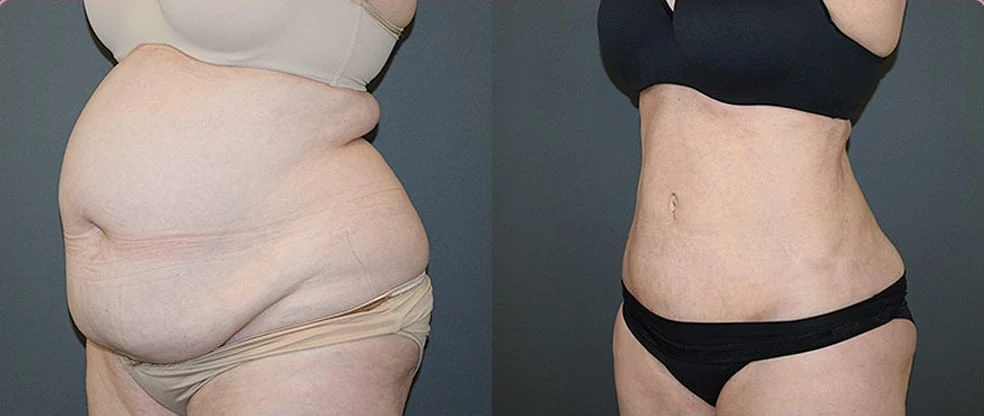
Recognizing Pediatric Lipedema: Signs and Symptoms in Teenage Girls
Key Takeaways Lipedema in teenage girls can show as symmetrical swelling of the legs, pain, and skin changes like dimpled or soft skin. It generally demonstrates a unique cuffing effect at the ankles and makes the lower body look out of proportion to the upper body. Noticing symptoms early, such as pain that intensifies during […]
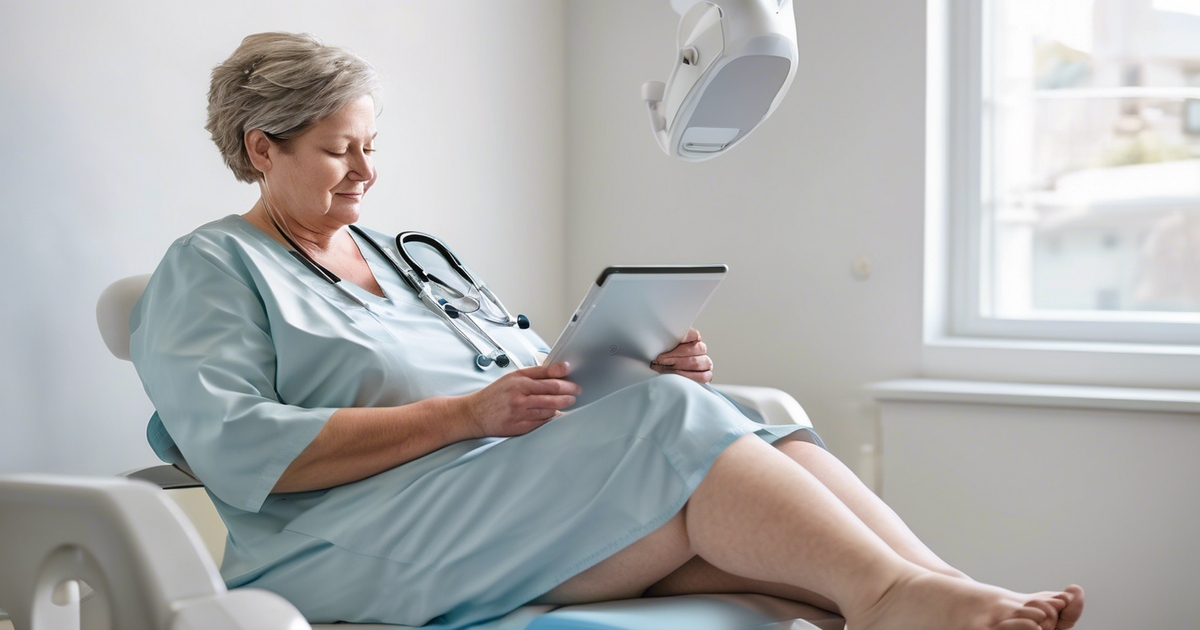
Lipedema and Menopause: How Hormonal Changes After Menopause Affect Symptoms, Management & Quality of Life
Key Takeaways Menopause typically exacerbates lipedema by reducing systemic estradiol and shifting estrogen receptor balance, resulting in increased lipogenesis, inflammation, and advancing symptoms. Keep an eye on your hormones and talk about alternatives with your physician. Postmenopausal women typically see more pain, swelling, fibrosis, and stubborn fat deposits. Make symptom tracking and early referral to […]

RAD Diet for Lipedema: What to Eat and How It Helps
Key Takeaways A Rare Adipose Disease protocol centered around diminishing inflammation, edema and lipedema fat to help support lipedema management and wellness. Focus on unrefined foods, lean proteins, omega-3 fats, and low-glycemic vegetables to control inflammation and insulin reactions. Cut back on refined carbs, sugary foods, trans fats, overly salty processed foods, and excessive red […]

How Lipedema Leads to Walking Difficulty and How to Improve Mobility
Key Takeaways Lipedema’s extra fat and persistent swelling both add to leg weight and leg pain and diminish walking capacity, which causes muscles to weaken. Start gentle, targeted strengthening and low-impact exercise to save muscle and balance. These include altered gait and increased joint strain, which increase the risk of falls and osteoarthritis. Have a […]

Supplements That Reduce Inflammation in Lipedema: What Helps and What to Try?
Key Takeaways Since inflammation fuels lipedema symptoms and advancement, identifying tenderness, swelling, bruising, and skin alterations aids in directing care and monitoring over time. While several supplements such as selenium, diosmin, curcumin, omega-3s, and quercetin reduce inflammation, they are best used as adjuncts to medical care instead of replacements. Begin supplements conservatively with evidence-based dosages, […]
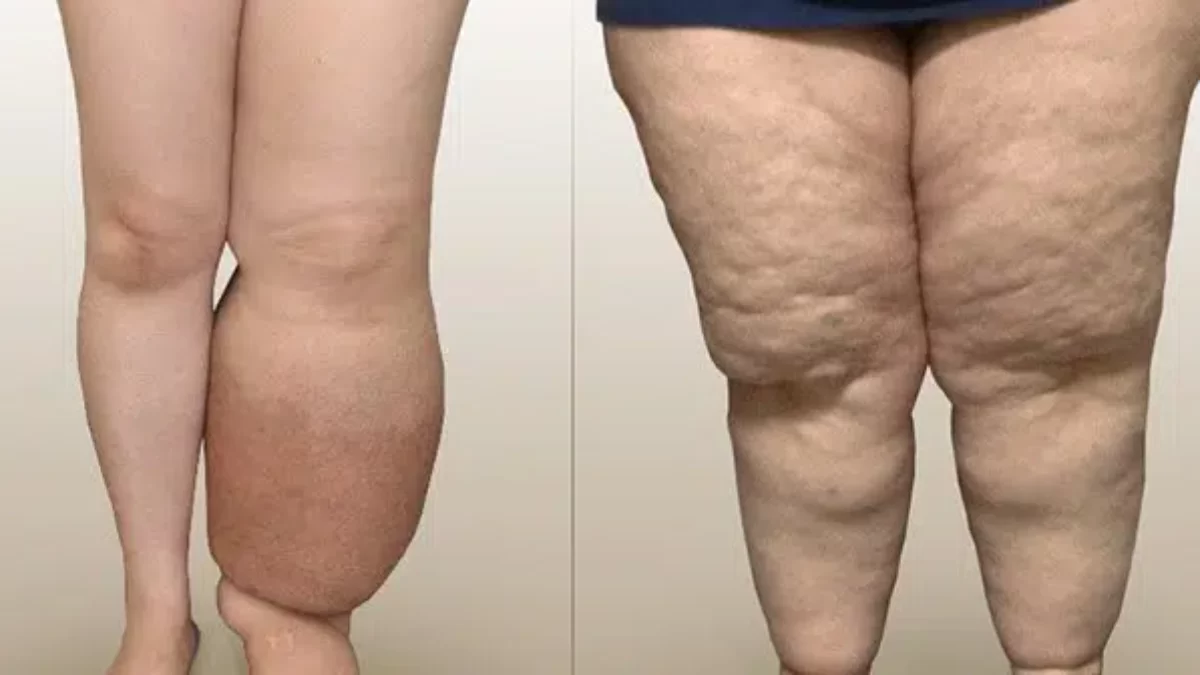
Lipedema and Cankles: Causes, Symptoms & Treatment Options
Key Takeaways Lipedema is a chronic disorder in which symmetrical, stubborn fat accumulates in the legs and ankles and often results in a cankle appearance with pain, tenderness, and easy bruising. If the symptoms continue despite diet and exercise, seek a specialist evaluation. Differentiate lipedema cankles from obesity or lymphedema with symmetrical fat distribution, foot […]

Lipedema Physical Therapy Exercises: Low-Impact Routines and Progression Guidelines
Key Takeaways Consistent, low impact exercise promotes lymphatic flow, decreases swelling, and preserves joint health. Develop a routine that’s sustainable for your symptoms and fitness level. Place an emphasis on lymphatic-stimulating and gentle options such as water therapy, rebounders, recumbent bikes, resistance bands, and stretching. Wear compression garments during and after exercise, watch for worsening […]

Lipedema Support Network Share Stories, Find Support, Connect
Key Takeaways Emotional, practical, and advocacy support offered by online lipedema communities makes members feel understood and less isolated as they share lived experiences and coping strategies. Engage in emotional validation, practical wisdom, and medical navigation threads for well-rounded support and actionable advice on day-to-day management and healthcare advocacy. Seek groups that have defined moderation […]