
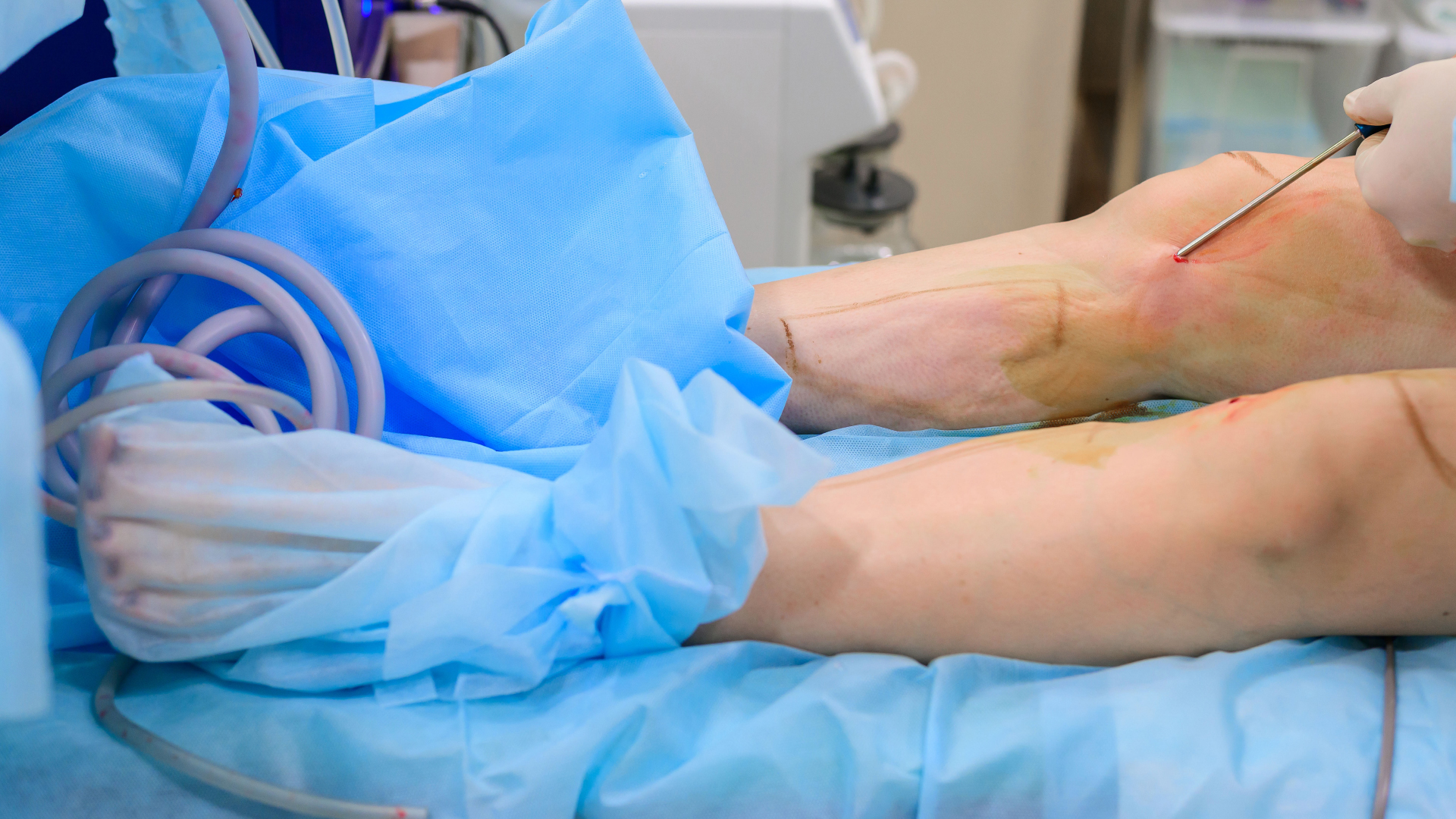
Key Takeaways Lipedema is a chronic disorder characterized by an abnormal accumulation of fat in the limbs, causing pain, swelling, and limited mobility. This can severely impact quality of life. Liposuction for lipedema carries risks such as infection, bleeding, lymphatic damage, and uneven results. This makes careful preoperative assessments and experienced surgical teams essential. Immediate […]

Knee Pain from Lipedema and How to Find Relief Solutions
Key Takeaways Lipedema is a long-term disorder characterized by abnormal fat accumulation, primarily in the legs and thighs, that often results in severe knee pain from excess weight and tissue compression. Lipedema knee pain is due to mechanical stress, inflammation, altered gait, and increased tissue pressure around the joints. Proper diagnosis matters because knee pain […]

How to Measure for Lipedema Compression Stockings
Key Takeaways How to measure for lipedema compression stockings Be sure to use a soft measuring tape and a consistent technique to measure both your affected and unaffected limbs at key landmarks, such as the ankle, calf, and thigh. Measure at the same time daily, preferably in the morning, to accommodate fluctuations in swelling and […]

Pneumatic Compression Pump for Lipedema Management at Home
Key Takeaways Early diagnosis and awareness of lipedema are crucial for management and symptom relief, as symptoms and progression can vary significantly from person to person. Pneumatic compression pumps aid lymphatic drainage and can be used safely at home, providing an accessible and affordable method to help minimize swelling and discomfort when incorporated into lifestyle. […]

Lipedema Type 1: Symptoms, Diagnosis & Treatment Options
Key Takeaways Lipedema type 1 exclusively involves the legs and can lead to significant discomfort, fat accumulation, and swelling that can become debilitating if not addressed quickly. Proper diagnosis is key. Lipedema is different from obesity and lymphedema and responds to specific treatments for best outcomes. Conservative treatment strategies such as compression therapy, manual lymphatic […]
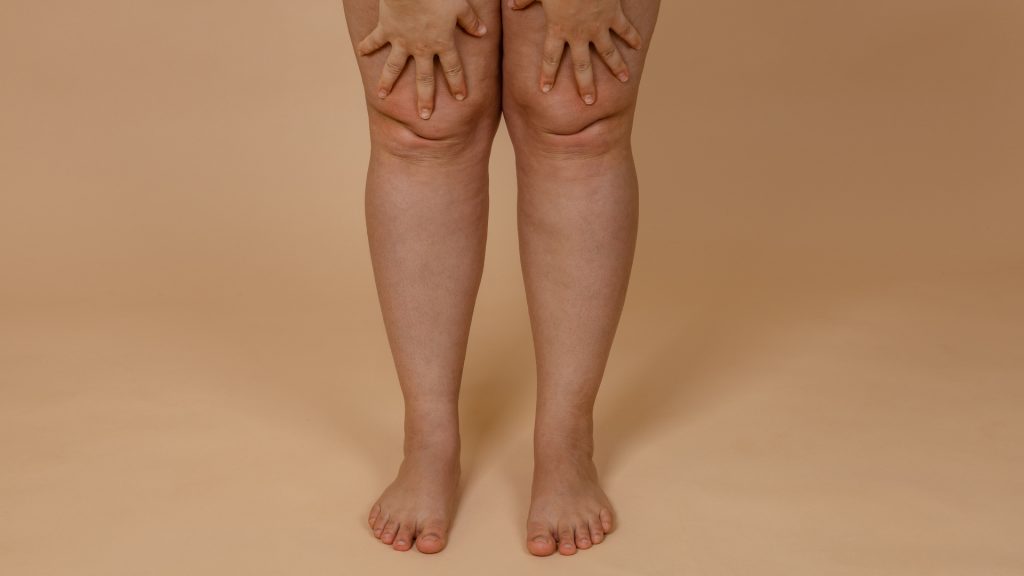
Lipedema Surgery in Turkey: Cost, Risks & Recovery
Key Takeaways Lipedema surgery costs in Turkey can vary significantly depending on the surgical technique, clinic reputation, and what is included in the treatment package. Selecting the appropriate procedure and an accomplished surgeon is paramount to safety and getting the optimal outcome for which you may pay a premium. Knowing the advantages and dangers of […]
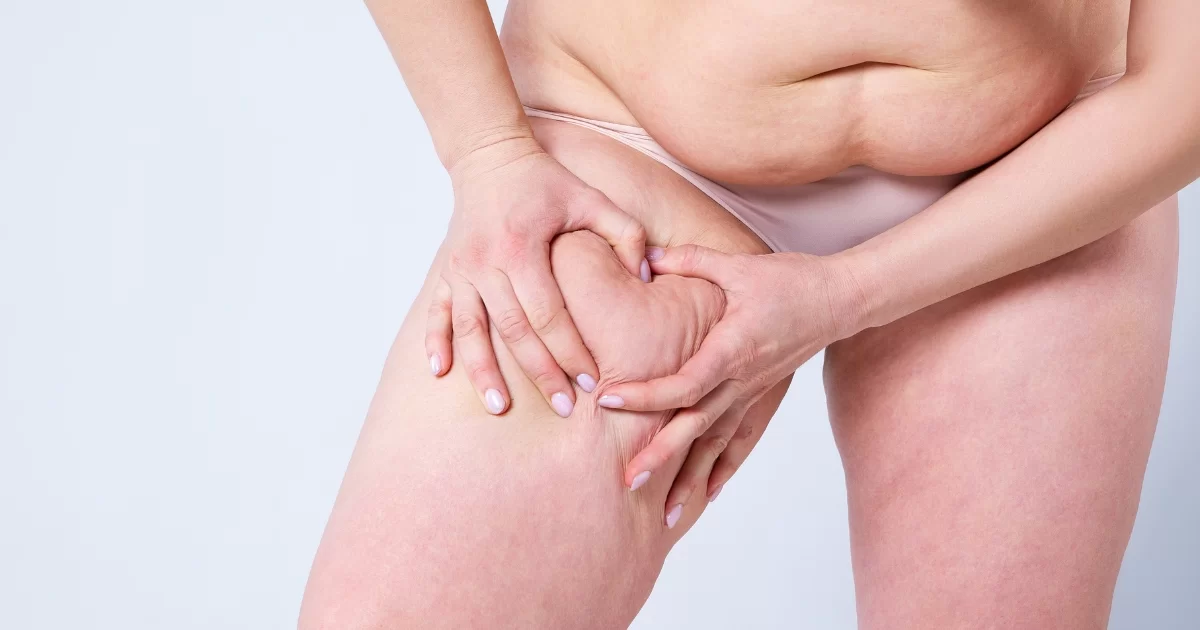
Lipedema Research Update – Current Clinical Trials and Findings 2026
Key Takeaways Research on lipedema in 2026 focuses on improving patient outcomes through a better understanding of the disease and comprehensive management strategies. Clinical trials are currently exploring different treatments, such as medications, surgeries, and diet changes, to find the most beneficial ones. Proper study design, including randomized controlled trials and patient-reported measures, is necessary […]

Lipedema Surgery: Overseas vs United States – What You Need to Know
rKey Takeaways Lipedema surgery overseas can provide substantial cost savings and a broader selection of specialists. Travel and post-surgery care costs need to be taken into account. Cutting edge surgical methods and new technology are occasionally more easily accessible in foreign clinics. Protocols and techniques vary from those in the US. All-inclusive packages overseas can […]

The Link Between Lipedema and Chronic Fatigue: Essential Insights You Should Have
Key Takeaways Chronic inflammation, lymphatic strain, and hormonal imbalances are the primary causes of fatigue in lipedema patients, both physically and mentally. By controlling inflammation with diet modifications and medical treatments, you can increase your energy and vitality with lipedema. Lymphatic drainages and mild exercise can assist lymphatic flow, minimize your body burden, and increase […]

Fat Transfer After Lipedema Liposuction: Recovery Insights
Key Takeaways Fat transfer following lipedema liposuction can restore lost volume, smooth out skin texture, and even out the appearance of scars for a more harmonious and natural overall aesthetic. The stem cells in fat grafts assist with healing, increase collagen production, and promote skin health for years to come. Meticulous patient selection, including overall […]