

Key Takeaways Lipedema type 1 exclusively involves the legs and can lead to significant discomfort, fat accumulation, and swelling that can become debilitating if not addressed quickly. Proper diagnosis is key. Lipedema is different from obesity and lymphedema and responds to specific treatments for best outcomes. Conservative treatment strategies such as compression therapy, manual lymphatic […]
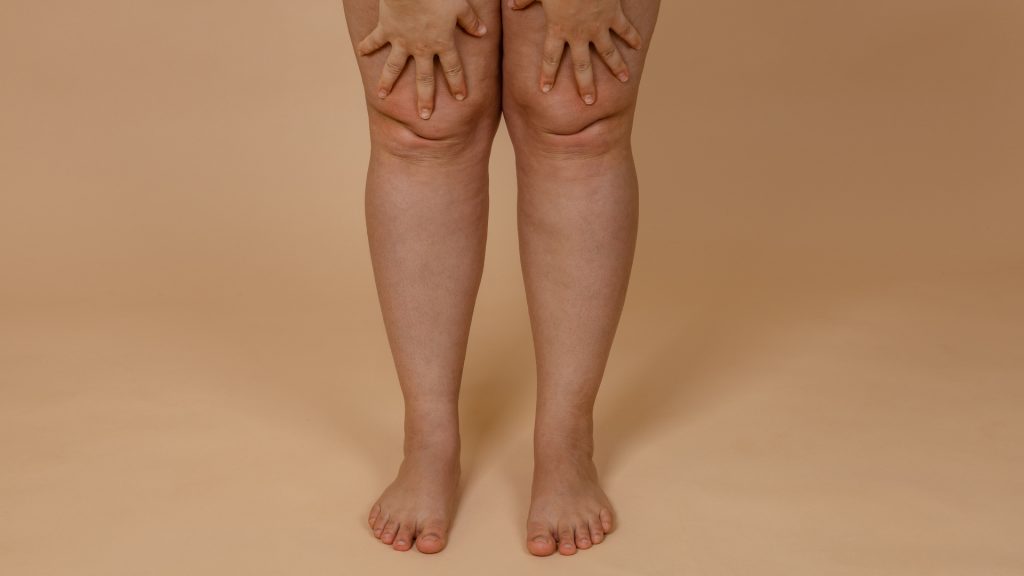
Lipedema Surgery in Turkey: Cost, Risks & Recovery
Key Takeaways Lipedema surgery costs in Turkey can vary significantly depending on the surgical technique, clinic reputation, and what is included in the treatment package. Selecting the appropriate procedure and an accomplished surgeon is paramount to safety and getting the optimal outcome for which you may pay a premium. Knowing the advantages and dangers of […]
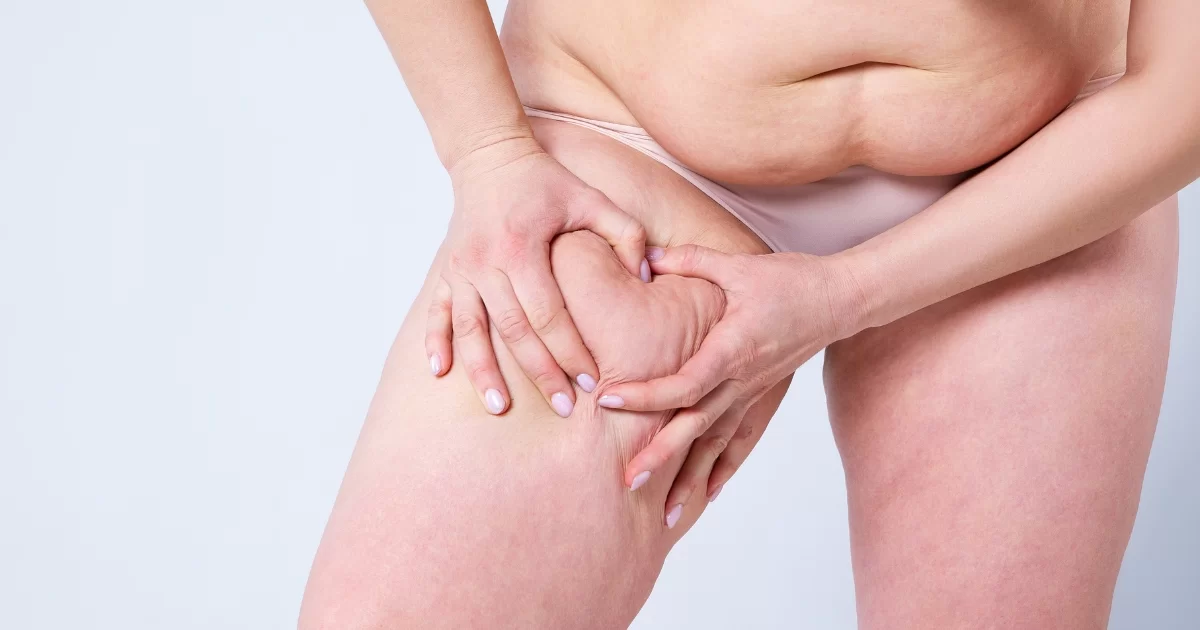
Lipedema Research Update – Current Clinical Trials and Findings 2026
Key Takeaways Research on lipedema in 2026 focuses on improving patient outcomes through a better understanding of the disease and comprehensive management strategies. Clinical trials are currently exploring different treatments, such as medications, surgeries, and diet changes, to find the most beneficial ones. Proper study design, including randomized controlled trials and patient-reported measures, is necessary […]

Lipedema Surgery: Overseas vs United States – What You Need to Know
rKey Takeaways Lipedema surgery overseas can provide substantial cost savings and a broader selection of specialists. Travel and post-surgery care costs need to be taken into account. Cutting edge surgical methods and new technology are occasionally more easily accessible in foreign clinics. Protocols and techniques vary from those in the US. All-inclusive packages overseas can […]

The Link Between Lipedema and Chronic Fatigue: Essential Insights You Should Have
Key Takeaways Chronic inflammation, lymphatic strain, and hormonal imbalances are the primary causes of fatigue in lipedema patients, both physically and mentally. By controlling inflammation with diet modifications and medical treatments, you can increase your energy and vitality with lipedema. Lymphatic drainages and mild exercise can assist lymphatic flow, minimize your body burden, and increase […]

Fat Transfer After Lipedema Liposuction: Recovery Insights
Key Takeaways Fat transfer following lipedema liposuction can restore lost volume, smooth out skin texture, and even out the appearance of scars for a more harmonious and natural overall aesthetic. The stem cells in fat grafts assist with healing, increase collagen production, and promote skin health for years to come. Meticulous patient selection, including overall […]

Lipedema and Joint Hypermobility Connection Explained
Key Takeaways Lipedema and joint hypermobility overlap in many symptoms and contributing factors, which complicates diagnosis and management for patients and practitioners alike. Connective tissue concerns, genetics, hormonal influences, chronic inflammation, and biomechanical stress are important factors in their development and progression. Thorough clinical evaluations, such as in-depth patient histories and multidisciplinary collaboration, are required […]
Lipedema and Inflammation Markers: What Blood Tests Reveal About Your Condition
Key Takeaways Lipedema is a condition characterized by the abnormal accumulation of fat and swelling, potentially associated with inflammation. Blood tests for inflammation markers, including CRP and ESR, can help detect higher inflammation in lipedema patients. Knowing your inflammation markers can help catch lipedema early and steer your treatment strategy for symptom management. Frequent checks […]

Lipedema and Menopause: How Hormonal Changes After Menopause Affect Symptoms, Management & Quality of Life
Key Takeaways Menopause typically exacerbates lipedema by reducing systemic estradiol and shifting estrogen receptor balance, resulting in increased lipogenesis, inflammation, and advancing symptoms. Keep an eye on your hormones and talk about alternatives with your physician. Postmenopausal women typically see more pain, swelling, fibrosis, and stubborn fat deposits. Make symptom tracking and early referral to […]
Lipedema Diagnostic Checklist for Doctors: Symptoms, Stages & Causes
Key Takeaways Identify symmetrical, disproportionate fat on the legs and arms that spares the feet as a hallmark of lipedema. Observe if it is resistant to diet and exercise. Record pain, tenderness, easy bruising, and a soft, nodular texture on physical exam to back up the diagnosis and document how symptoms affect daily life. Use […]