
Key Takeaways
-
Arm lipedema is a persistent fat disease primarily observed in female patients that needs precise identification to differentiate it from similar conditions such as lymphedema.
-
Timely diagnosis and careful surveillance of lipedema arms can aid optimal management and prevent further complications over time.
-
Symptoms like swelling, pain, and skin texture changes can impact daily activities, physical comfort, and emotional well-being.
-
Thorough examination, including patient history, clinical evaluation, and imaging, is crucial for diagnosis and treatment.
-
Management includes individualized conservative care, lifestyle changes, and sometimes surgery.
-
Active research, patient education and advocacy, and access to specialized care are key for raising awareness, support, and treatment outcomes globally.
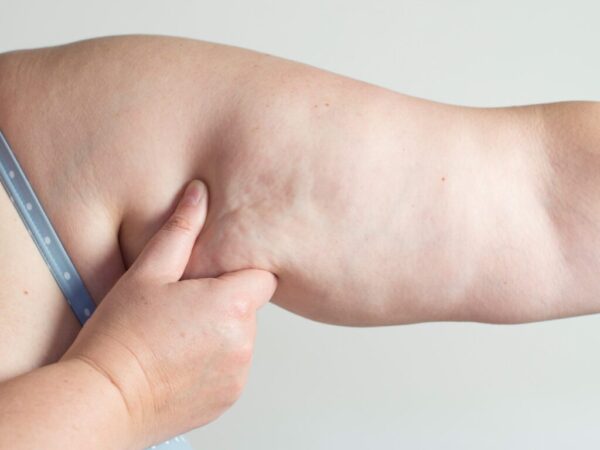
Type 4 lipedema, which affects only the arms, is a rare type of lipedema where fat deposits develop primarily from the shoulders to the wrists.
For this type, individuals experience swelling, pain, and leathery skin on their arms, with legs remaining unaffected.
Diagnosis is typically based on a combination of physical exam and patient history.
In order to find out about symptoms, causes, and care options, the main body will provide clear and straightforward responses.
Understanding Arm Lipedema
Arm lipedema is a chronic fat condition that primarily impacts women, typically following hormonal changes such as puberty, pregnancy, or menopause. It causes a peculiar accumulation of fat in the upper extremities, distinct from normal weight gain. This fat is distinct not only in texture, frequently rubbery or nodular, but in behavior.
Unlike regular fat, lipedema fat doesn’t shrink with diet or exercise. Acknowledging this as a standalone medical condition is key to receiving the proper diagnosis. A head start on awareness helps provide a better chance at managing symptoms and preventing progression.
1. The Definition
Arm lipedema primarily affects women, with hormonal factors being a significant cause of its development. Unlike regular fat, lipedema fat resists normal metabolic commands. The tissue is typically firmer, lumpy, and remains in place even with weight loss.
This stubbornness distinguishes it from regular fat. It’s important to get the right diagnosis because it’s often misclassified and people don’t get answers for years. The earlier it’s identified, the better you can keep it under control long-term and the less frustrating it is for patients.
2. The Symptoms
Swollen arms, easy bruising and heaviness are all common symptoms of arm lipedema. Most of us have felt our own arms being out of proportion to the rest of the body. Painful fat is a big indicator.
Things like reaching or lifting become a challenge. Symptoms shift with the progression of the disease through its stages. In the beginning, swelling and slight pain are frequent. As time passes, pain and decreased mobility progressively worsen, complicating daily life.
The skin may undergo changes, becoming hard or dimpled in appearance. Advanced arm lipedema patients frequently have difficulty with simple tasks, like getting dressed or washing up. The chronic pain and swelling diminish quality of life and cause many to feel isolated or misrepresented.
3. The Progression
Arm Lipoedema has three stages. Skin is smooth but swelling begins in Stage 1. As it progresses into Stage 2, the skin texture deteriorates further, small lumps emerge beneath the skin, and the pain increases.
By Stage 3, the arms can feel very heavy, and fat deposits become larger and harder. Fat can spread and redefine the shape of the body’s silhouette over time. Late stages can induce secondary lymphedema, increasing swelling and infection risk.
Keeping up with these changes is crucial to schedule care and prevent complications.
4. The Distinction
Lipedema is frequently mistaken for lymphedema. While both cause swelling, lipedema involves abnormal fat accumulation — not lymph fluid. Lymphedema is caused by blocked lymph vessels and results in fluid retention and tissue changes.
Diagnosis is important because the treatments for each vary and mix-ups can prolong suffering. Knowing these distinctions educates patients about their disease and makes for savvy care decisions. It saves hours wasted seeking out proper assistance.
The Diagnostic Journey
Diagnosing type 4 lipedema—arms only—presents a more subtle challenge. It’s frequently misdiagnosed, as symptoms overlap with other fat disorders or lymphedema. Proper diagnosis at an early stage means it can be better managed and won’t be subjected to unnecessary treatments.
There is patient history, physical exam, and imaging to consider. It includes staging, from early to advanced, to gauge severity and determine follow-up.
Clinical Evaluation
|
Step |
Description |
|---|---|
|
1 |
Review patient history and symptoms |
|
2 |
Assess fat distribution and swelling |
|
3 |
Conduct physical exam of arms |
|
4 |
Evaluate for pain, tenderness, and changes in skin texture |
|
5 |
Gather patient-reported outcomes |
|
6 |
Rule out similar conditions (e.g., lymphedema) |
A thorough clinical evaluation starts with a look at how fat is stored on the arms, if the swelling is symmetric, and what the skin feels like. Doctors ask about pain, tenderness, and changes over time. Some patients notice their arms ache or bruise easily, even if the rest of their body is unchanged.
Swelling that does not improve with rest is a red flag. Patient history is important because it reveals trends, such as when symptoms began, if there is a family history, and if there are specific triggers. For instance, puberty and pregnancy commonly align with the onset of lipedema.
These clues assist in distinguishing lipedema from basic weight gain or lymphedema. A physical exam looks for classic symptoms, like subcutaneous nodules and a well-demarcated wrist cuff. Patient reported outcomes, such as pain scores or impact on daily functioning, provide a glimpse into how debilitating something is.
It’s crucial to exclude differential diagnoses, as lipedema is commonly misdiagnosed as obesity or lymphedema. Both of these conditions require different therapeutic approaches.
Imaging Techniques
Ultrasound and MRI are usual suspects to lay eyes on fat deposits and tissue alterations in the arms. Ultrasound can reveal subcutaneous fat thickness and demonstrate fluid accumulation or skin alterations. MRI provides a more detailed image and assists in detecting the hardening or nodules observed during advanced stages.
Imaging is most useful when clinical findings are ambiguous or when an alternative diagnosis is suspected. For example, lymphedema may display more fluid, whereas lipedema will typically display more fat with minimal fluid.
Yet, imaging alone can’t always provide a clear answer. There are limitations, as imaging can’t always distinguish stage 4 lipedema from other fat disorders. Diagnosis is still primarily clinical.
Imaging is more useful for following changes or verifying whether treatments such as compression or surgery are effective.
The Lived Experience
Type 4 lipedema, affecting the arms only, introduces a blend of physical and emotional barriers that define the day-to-day existence of those affected. Lipedema is primarily staged and classified by changes in the lower limbs, but some individuals suffer from disproportionately large arms. Symptoms are about more than how you look—they’re about how you move, how you feel about yourself, and how you feel. Your support and transparency go a long way in handling these.
Physical Impact
The physical toll of arm lipedema is more than just swelling. Many experience pain, a sensation that can be tight or heavy, and difficulty moving their arms without restriction. This can manifest as a challenge in lifting or trouble with daily activities such as brushing hair, carrying groceries, or reaching overhead.
Even light work can tire you out sooner than you expect. Others feel daily pain that leaves them exhausted. Eventually, the additional weight and distinct shape of the arms can make an individual move differently. Joints, particularly the shoulders and elbows, can have increased tension placed on them. This can cause joint pain or even changes in joint function.
Arm lipedema may cause hard, lumpy regions underneath the skin, skin texture alterations, and sensitivity. These problems can be compounded if lymphedema is present simultaneously, a condition known as lipolymphedema. For a lot of people, it’s about discovering the right exercise. Delicate, low-impact motions and customized regimens can assist control pain and swelling without exacerbating symptoms.
Emotional Toll
Visible arm lipedema living can bring a mental load. They’ll be self-conscious or worried about the way others perceive them or despondent at the constant reinforcement of their status. A lot of them have self-esteem issues, particularly when things don’t fit well or when people are staring or asking questions.
Humiliation and social stigma can complicate matters. Media and society set tight standards for how bodies should look, and those with arm lipedema may feel ostracized. This can cause isolation or a desire to cover the arms even in hot weather.

Mental health assistance is critical. Counseling and peer support groups allow people to cope, share stories, and learn how to manage stress. Being a part of a community makes many people feel less isolated.
Building awareness of Type 4 lipedema arms is critical. Patient advocacy goes a long way toward driving better treatments, research, and social acceptance. Patients can utilize conservative options like compression and therapy, as well as liposuction surgery, which is understandable considering staging and diagnosis criteria for lipedema predominantly revolve around the legs.
Potential Triggers
Type 4 lipedema, involving only the arms, usually develops as a result of a combination of genetic, hormonal, and lifestyle factors. Knowing what may act as a trigger or worsen symptoms is crucial for anyone seeking to control this chronic condition. The specific triggers are not completely understood, but most individuals experience periods of symptom flare-ups that appear to be linked with specific circumstances or transitions in life.
Common triggers include:
-
Hormonal fluctuations: Symptoms often start or get worse during puberty, pregnancy, or menopause. Others feel their arms get more swollen and tender at these times, suggesting a hormonal connection.
-
Genetics: Around 60% of those with lipedema have a close family member with the condition. This implies a robust genetic element, although the actual genes are still unknown.
-
Lymphatic system issues: Problems with lymph flow, such as lymphedema, can both trigger and worsen lipedema in the arms. Whenever lymph fluid does not drain well, the swelling and pain can intensify.
-
Physical trauma or pressure: Many people with lipedema bruise easily. Even minor bumps or pressure could cause visible bruising, pain, or tenderness in the arms.
-
Lifestyle factors: Although diet and exercise don’t cause lipedema, poor nutrition or lack of movement may make symptoms worse. A nutritious diet and consistent low-impact exercise can reduce pain and inflammation even if they don’t cure the source.
-
Unknown factors: Research is ongoing, and new triggers may emerge as the medical community gains a better understanding of the condition.
It is important to know your own triggers. Maintaining a symptom and trigger diary can assist in identifying patterns. For example, flare-ups occur after hormonal changes, high-salt foods, or sedentary days. This enables better management and steers discussions with medical professionals.
Hormonal Links
Hormonal shifts are a major component to the onset and advancement of arm lipedema. A lot of people don’t experience symptoms until hormones shift rapidly during puberty, pregnancy or menopause. In fact, these may be times when fat deposits show up or worsen on the upper arms.
This link is bolstered by reports of exacerbated swelling and pain during hormonal shifts. Hormonal imbalances can exacerbate symptoms over time, leading to increased pain, swelling and easy bruising. It’s wise to keep an eye on your hormones as part of a comprehensive treatment strategy.
Type 4 lipedema patients may benefit from regular check-ups and open communication with their healthcare providers. Further research is required to understand specifically how hormones influence this condition and to find better strategies to manage these effects.
Genetic Predisposition
Lipedema tends to be familial, with approximately 60% of cases associated with family history. That says to me that genes are a big factor, even if we still don’t have all the details worked out. If your mother, sister, or aunt has lipedema, then your own risk is probably elevated.
Family history can assist doctors in spotting lipedema earlier for swifter, more effective treatment. Genetic research will be required to identify the specific genes implicated and how they may interact with other triggers. This may result in better testing and treatments in the future.
Management Strategies
Managing type 4 lipedema in the arms typically requires a combination of strategies that fit each individual’s lifestyle. A checklist helps keep track of care steps: seek advice from healthcare professionals, use compression and drainage therapies, keep up with physical activity, eat a balanced diet, manage stress, and monitor progress.
Collaborating with doctors, therapists, and nutritionists ensures that treatment addresses physical, mental, and social needs. Patient education on self-care, symptom tracking, and healthy living builds confidence and aids long-term control. Checking in with care teams and updating the plan as symptoms change is key for ongoing relief.
Conservative Care
Compression therapy, with sleeves or wraps that help fluid move and relieve swelling, is typically first line. Manual lymphatic drainage, a gentle massage by trained therapists, encourages lymph flow and can provide relief from heaviness or aching. Most patients discover that maintaining mild exercise, such as swimming or walking, tends to keep joints flexible and lymph moving.
There’s no substitute for eating healthy foods, staying hydrated, and wearing loose clothing in symptom control. Be sure to take regular breaks to stretch, move, or relax. This will help reduce pain and prevent stiffness. Not every person will respond the same way, so care plans should be shaped around what works best for you with frequent check-ins to tweak each step.
Over the long haul, these cautious strategies have the potential to make daily life smoother, reduce suffering, and increase confidence. The objective is not to ‘cure’ lipedema but to keep symptoms at bay and increase comfort.
Surgical Options
|
Surgical Option |
Criteria for Surgery |
Potential Benefits |
|---|---|---|
|
Lymph-sparing liposuction |
Severe symptoms, poor response to conservative care, impact on life |
Less pain, reduced swelling, better arm shape, improved quality of life |
|
Water-assisted liposuction |
Same as above |
Gentle on tissues, helps lymphatic function, less downtime |
|
Tumescent liposuction |
Same as above |
Safe for lymph vessels, proven for lipedema, good results |
Surgery is typically considered when conservative therapies have failed and symptoms interfere with daily activities. Make sure you’re working with a surgeon who is experienced in lipedema care and who uses lymph-sparing techniques and blunt cannulas.
These techniques have demonstrated improvements in pain and swelling, and some research observes lymphatic function may actually improve postoperatively. Surgery can contour arms and relieve pain, but it’s not a cure, and care needs to continue after the procedure.
Lifestyle Adjustments
A nutritious diet, full of vegetables, lean proteins and whole grains, controls your weight and suppresses inflammation. Staying hydrated throughout the day with water supports lymph health. Any regular exercise, even just a walk or some yoga, keeps the fluids flowing and builds strength.
Stress can exacerbate symptoms, so incorporating mindfulness, meditation, or tai chi can aid with emotional equilibrium. Wearing comfortable clothes, selecting good shoes, and taking breaks to stretch during the day all alleviate symptoms.
Self-care and self-love become essential for coping, assisting people in maintaining positive and proactive mindsets in managing lipedema.
Beyond The Diagnosis
Type 4 lipedema in the arms comes with more than physical manifestations. We all suffer from pain, swelling, and heaviness, but the psychological toll can be just as difficult. The frequent misdiagnosis of lipedema results in delayed diagnosis, leaving patients exasperated and sometimes despairing.
Everyday activities, such as getting dressed or simply walking around, can become difficult. The toll on mental health is documented, with some reporting low self-esteem and even depression. Without knowledge and assistance, quality of life plummets, illustrating the critical demand for increased education and assistance.
Patient Advocacy
Patient advocacy is key for lipedema since people often go years without a correct diagnosis. In recounting their experiences, patients illuminate moments of suffering such as pain, anxiety, and the physical transformation of their arms. These stories count; they’re tearing down myths and advocating for improved treatment.
Organizations such as the Lipedema Foundation provide a platform for voices to unite, facilitating efforts to advocate for research and policy reforms. When you share stories from the trenches, like someone having difficulty bathing or being judged because of the appearance of her arms, it makes others feel the effect.
We need a movement not simply for awareness, but to advocate for new treatments, increased funding, and additional research. Advocacy is how we create hope and a road forward for all of us impacted.
Finding Specialists
It’s hard to find a doctor who knows about arm lipedema, but it matters. Most regular clinics are going to overlook or outright mislabel the symptoms, so seeking out a specialist, typically a vascular specialist or dermatologist with fat disorder experience, is ideal.
Online directories and patient networks can assist individuals in finding experts. Multidisciplinary teams of physicians, therapists, and mental health professionals provide comprehensive care, addressing both the physical and psychological. Frequent dialogue with your doctor keeps care aligned as symptoms evolve.
This multidisciplinary care approach empowers individuals struggling with daily pain, swelling, and mental stress, putting their lives a little more at ease.
Future Research
Research on type 4 lipedema arms is increasing, but a lot remains unclear. Studies now focus on genes and hormones, in search of an explanation as to why some develop this disease.
Clinical trials will be key to providing new effective treatment options for arm symptoms. Patient-doctor-scientist collaboration is crucial so actual problems are tackled. More research leads to more choices and someday a better life for those with this disease.
Conclusion
Type 4 lipedema in the arms can decelerate daily life and alter how one moves. Early symptoms such as swelling and pain deserve real solutions, not speculation. Finding the appropriate assistance accelerates treatment and provides relief. Small things such as mild exercise or baggy clothes can provide relief. A little support from friends or groups can reduce stress. Doctors, lipedema specialists, and families all provide better care. These little shifts add up, leaving you with a slightly easier day to day. For additional advice or news, consult your care team or reliable health websites. Be receptive to new information and seek help if you notice changes in your arms or symptoms.
Frequently Asked Questions
What is Type 4 lipedema affecting only the arms?
Type 4 lipedema arms only unlike other types, it doesn’t affect the legs. This can lead to swelling, tenderness, and a sensation of heaviness in the arms.
How is arm-only Type 4 lipedema diagnosed?
Diagnosis is based on a physical exam, medical history, and excluding other causes of arm swelling. A lipedema specialist doctor should be the one to confirm the diagnosis.
What are common symptoms of arm lipedema?
Symptoms include symmetrical swelling, tenderness, easy bruising, and a heavy sensation in the arms. Skin can be flaccid and swelling is not relieved by elevation or diet.
Can arm-only lipedema be triggered by lifestyle factors?
Although the direct cause is unclear, hormonal shifts, genetics, and in some cases, weight gain can initiate or exacerbate symptoms. Lifestyle alone does not cause lipedema.
Are there treatments for Type 4 lipedema in the arms?
These are treated with compression therapy, manual lymphatic drainage, regular low impact exercise, and in some cases, specialized surgery. Early treatment can help reduce pain and slow progression.
Is arm lipedema a progressive condition?
Yup, arm lipedema tends to be progressive. Symptoms may exacerbate if left unmanaged. Early diagnosis and intervention can aid in slowing disease progression.
How can I manage daily life with arm-only lipedema?
Compression garments, gentle exercise and support from health professionals can assist. Joining support groups can help with emotional well being, too.