
Key Takeaways
-
Numbness after lipedema surgery is common and typically subsides within a few weeks to months. This timeline is different for everyone.
-
Adhering to post-operative protocols, such as wearing compression and engaging in advised activity, may aid recovery and alleviate the persistence of numbness.
-
By keeping tabs on your recovery and following up, complications can be caught early and the healing process can be smoother.
-
Depending upon surgical technique, treatment area, and individual health, numbness may be more or less severe and last for a shorter or longer duration.
-
Emotional support and honest conversations with your doctors can help ease any anxiety and put symptoms into perspective as you figure out what is normal on your unique recovery journey.
-
Consult your doctor if you develop persistent numbness, excessive swelling, or other atypical symptoms since early treatment can impact long-term outcomes.
Numbness after lipedema surgery timeline typically experiences numb sensations extending for weeks to months post-surgery. Most numbness occurs immediately after surgery, with patches remaining numb for some time as nerves regenerate.
Mild tingling or strange sensations can arise as nerves become activated. Doctors will often say numbness gradually diminishes with time, but everyone’s timeline is unique.
The following sections outline expectations and useful tips.
The Numbness Timeline
Numbness following lipedema surgery is to be expected and usually persists for a few weeks, although it can extend to six months and beyond. It feels different as the nerves heal. The majority of patients begin to feel better within the first month, but the numbness ‘expiration date’ varies by treatment area, healing rate, and individual differences.
Swelling, tingling, and itching tend to subside in the first days or weeks, though some numbness lingers. Monitoring changes during recovery is crucial because persistent numbness or intensifying symptoms can be a sign of complications.
1. Immediate Post-Op
Immediately post-surgery, numbness is almost universal, particularly in the proximity of the treated site. This numbness is primarily from local anesthesia, which disrupts nerve signals for a few hours, sometimes more. Tingling, pins and needles, and even itchiness are common as sensation begins to return.
Skin that feels heavy or “asleep” is also typical during this phase. Diligent wound care is important at this stage to avoid infection and assist the skin in healing. Patients should keep the site clean, dry, and heed all directions from their surgical team.
Any abnormal pain, swelling, or evidence of infection should be communicated to the care team promptly.
2. Early Recovery
For most people, swelling and tingling begin to subside within days to weeks after surgery. There are some regions that remain numb. There might be little spurts of sensation as the nerves start to come alive.
Rest and restricting your movement aid in early healing and keep you from extra swelling or damage. Pain management, for example, ice or prescribed meds, can control discomfort as nerves regenerate. Routine visits to your doctors are essential to monitor your trajectory.
3. Mid-Recovery
Somewhere around the four to six week mark most patients observe a distinct decline in numbness. Sensation comes back gradually, but numb areas can remain if swelling or bruising persists. Doing light rehab exercises as suggested promotes nerve regeneration and circulates blood.
If numbness or tingling worsens after week six or lasts into the third month, it requires further evaluation by the care team. Persistent swelling or sharp pain can indicate nerve issues, so monitoring is prudent. Walking or light activity is encouraged because it helps nerves heal.
4. Late Recovery
Feeling typically comes back fully within three to six months. Certain areas, such as the skin of the abdomen following a tummy tuck, can remain numb for a year or so. Continued self-care, like massage or compression garments, can aid healing.
Some folks have mild numbness that dissipates, while others experience intermittent tingling for months. Regular follow up with your medical professionals keeps recovery on course and makes sure any complications are detected early.
5. Long-Term Outlook
While most regain normal sensation within a year, subtle changes can persist longer in others. A couple might have some slight numbness that never resolves. Maintenance therapy and minor tweaks to daily habits, such as consistent movement and hydration, fuel enduring outcomes.
With the exception of most cases, there is consistent continuous improvement, resulting in very good outcomes in the majority of them.
Why Numbness Happens
Numbness after lipedema surgery is a frequent side effect and is medically well explained. This numbness is related to the impact of surgery on nerves, tissues, and healing.
Numbness occurs due to a temporary loss of sensation, commonly when nerves are touched, stretched, or minimally injured during surgery. Our skin contains thousands of nerve endings that transmit touch, pain, and temperature information to the brain. Surgery has the ability to sever these endings, causing numbness in the vicinity.
Nerves regenerate at a sluggish pace, approximately one millimeter per day, which means sensation returns slowly and may span from weeks to months. Swelling is a natural response to any surgery. It can press on nerves and slow their function, which adds to the numbness. Swelling itself may last from a few weeks to several months.
In lipedema surgery, the surgical technique can alter how the nerves of the affected region function. Liposuction, typical of lipedema treatment, employs tiny incisions and a cannula, a slim tube, to suction out fat. As the cannula moves through the tissue, it can brush or shift nerves.
Even with care, some nerves can get stretched or bruised. Smaller nerves in the skin are most vulnerable. Though most of the time these nerves do recover, it takes time. The type of surgery, the region treated, and measures taken by the surgeon all factor into the risk and duration of numbness.
Tissue manipulation during liposuction causes sensory changes. The fat and tissue layers under the skin are packed with nerve endings. When these tissues are moved, scraped, or suctioned, nerves can lose their customary signals leading to numbness or tingling.
As swelling subsides and tissues recover, the nerves re-grow and sensation returns bit by bit. Patients can experience tingling or pins-and-needles as nerves start to heal. It can be a sign that sensation is returning.
Numbness isn’t specific to lipedema surgery; it occurs with any number of invasive surgeries. Anesthesia can numb the area initially, and when the drugs subside, nerves require a little time to ‘wake up’.
For some, they experience numbness that disappears after a few weeks, but for others, it could persist for months or even a year. In rare cases, if numbness does not improve or worsens, it can indicate more serious nerve damage and requires medical evaluation.
Influencing Factors
Numbness post-lipedema surgery has no defined trajectory. A number of factors impact its duration and the experience of the individual recovering. These include the surgical procedure, the area treated and each individual’s healing characteristics. Decisions about aftercare, such as donning compression garments and remaining hydrated, weigh heavily.
Surgical Technique
|
Technique |
Nerve Preservation |
Typical Recovery |
Risk of Numbness |
|---|---|---|---|
|
Tumescent |
Good |
Moderate |
Moderate |
|
Water-assisted |
Better |
Faster |
Lower |
|
Power-assisted |
Fair |
Moderate |
Moderate to higher |
|
Laser-assisted |
Variable |
Variable |
Higher in some cases |
Tumescent and water-assisted techniques are more nerve sparing. Water-assisted liposuction, for example, employs a gentle jet to remove fat that could potentially be less damaging to nerve endings and help sensation return more rapidly. Higher volume liposuction may cause increased swelling, bruising and altered sensations that can persist for months.
A higher volume generally implies more tissue handling, so numbness would be more likely. A few patients, particularly those undergoing surgery on both legs, describe numbness lingering for up to six months. Selecting a surgeon who is familiar with nerve sparing techniques can make a difference.
Surgeons who know how to work around nerves may alleviate risk. Patients should always inquire about the proposed technique and nerve protection during their consultation. This aids in establishing clear, realistic expectations.
Treatment Area
|
Area Treated |
Nerve Density |
Recovery Complexity |
Common Sensation Issues |
|---|---|---|---|
|
Thighs |
High |
Moderate |
Frequent numbness |
|
Calves |
Moderate |
More complex |
Tingling, longer recovery |
|
Arms |
Variable |
Less complex |
Shorter numbness period |
|
Ankles |
High |
Most complex |
Persistent numbness |
Pounding spots with a high concentration of nerve endings, such as the thighs or ankles, will typically induce greater numbness for a longer duration. The more tissue you remove in one place, the higher the risk of nerve interference and inflammation.
Swelling and bruising may persist for four to six weeks, but numbness can linger even more, particularly at sensitive areas. In scheduling surgery, it is useful to consider likely more sensitive areas and make recovery plans accordingly. For instance, compression garments assist with swelling, while nerves adjacent to the ankle could require more time than average to recover, even with aftercare.
Individual Healing
Everyone heals at a different pace. Some sense normal after a month. Others require three to six months for sensation to come back. Underlying conditions, such as lymphedema or diabetes, can complicate and prolong symptoms.
That personalized recovery plans are important. Some require more rest and others can resume normal movement earlier. Monitoring pain, maintaining hydration, and relying on emotional support such as counseling can assist, particularly when recovery appears to be sluggish.
You’re smart to stay away from heavy lifting for a minimum of 2 weeks and pay attention to your body’s cues. Being realistic and patient with healing makes most people feel more in control.
Accelerating Recovery
Handling numbness post-lipedema surgery requires consistency and a strategic plan. Recovery isn’t identical for everyone, but these steps can accelerate healing and potentially reduce the duration of numbness. These techniques provide relief and help kickstart normal sensation.
-
Wear properly fitted compression garments for a minimum of 3 to 5 weeks.
-
Introduce gentle movement like daily walks and light stretching.
-
Utilize manual therapies such as lymphatic drainage massage for swelling.
-
Consume a diet that is rich in protein, vitamins, and hydration-supporting nutrients.
-
Steer clear of deep-tissue massage or foam rolling when you’re in early recovery.
-
Maintain consistent self-care and heed your body.
Compression
Compression garments are important during the first few weeks after surgery. These garments offer consistent pressure, aiding in the management of swelling and the promotion of tissue healing. They’re particularly effective for addressing edema, which is prevalent post-lipedema surgery.
Regular use can reduce pain and possibly reduce anesthesia over time. For most, compression during 3 to 5 weeks post-op aids skin sensation to come back quicker and keeps swelling under control.
That these garments fit well is important. Bags or too-tight clothes are a nightmare, so being measured properly before surgery is smart! Wear garments according to your surgeon’s instructions — typically day and night, except when bathing.
If you’re not consistent, getting off the compression too soon will impede your progress and can actually make swelling worse.
Movement
Light activity does more good than you’d expect. Easy walks and gradual stretches circulate blood, which nourishes everything from tissue repair to nerve restoration. It’s not about marathon workouts; just doing a little each day prevents stiffness and keeps lymph flowing.
Sticking to a motion plan from your surgeon or physical therapist matters. They might recommend short walks, ankle pumps, or gentle yoga. These activities don’t stress surgical areas, yet they still promote healing.
It’s typical for sensation to vary from one day to the next. Follow your body’s cues and rest when needed.
Manual Therapy
Manual lymphatic drainage massage is a good recovery tool. Therapists frequently initiate light massage within days post-surgery to stimulate lymphatic circulation and decrease edema. Over weeks, regular massage will loosen fibrotic tissue and can even assist sensation to return.
Working with a trained professional is key. Self-massage at home can be helpful. Stay away from deep tissue work and foam rolling until approved by your provider.
Your daily light massage habit can really make a difference in how quickly that swelling goes down and feeling returns.
Nutrition
-
Protein helps rebuild skin and tissue, speeding up repair.
-
Vitamins C and E support collagen and nerve health.
-
Zinc and omega-3s reduce inflammation and aid in recovery.
-
Plenty of fluids keep tissues hydrated for better recovery.
Hydration is equally as important as nourishment. Be sure you’re drinking enough water daily, which supports lymph flow and flushes waste.
A balanced diet consisting of lean proteins, fruits, vegetables, nuts, and whole grains provides your body with what it requires to recover. Meal planning can keep you on track with nutritious options, even when your energy is depleted.
The Emotional Journey
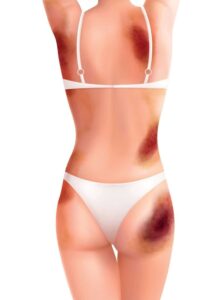
Recovery after lipedema surgery is more than a physical endeavor. Others go through a roller coaster of emotions while the body recovers. Changes are slow. Swelling, bruising, numbness, and soreness can linger for weeks or months. These shifts can be maddening or even alarming, particularly when it’s difficult to observe any initial signs of advancement.
A sense of loss can emerge as well, as patients contemplate the time and experiences lipedema has stolen from them. Getting used to new routines and confronting recovery’s highs and lows can be a lot to handle. Some solace comes from knowing they’re not alone; others have come this way.
Normalizing Numbness
Numbness post lipedema surgery is common during recovery. Most observe it in the regions where fat was eliminated. It typically lasts a month or so, but can last longer for others. This may sound strange or even disturbing. For a lot of people, discussing numbness frankly with physicians or nurses greatly reduces anxiety.
Health care teams can walk you through what’s normal and what signs to be on the lookout for, making the unknown less scary. To survive these transitions is to be patient and to observe subtle transitions over time. Journaling may assist. Journaling about daily emotions or observing when sensation begins to shift allows patients to witness their own recovery narrative come to life.
As weeks pass, it is amazing to look back at old entries and see how far they have come, even when it does not feel like they are making progress. Others find it comforting to socialize with other recovering victims. Support groups, in person or online, offer a place to swap stories and pose questions. Listening to others share their numbness can calm your heart and ignite inspiration.
Managing Anxiety
Try to keep the anxiety in check. Mindfulness can assist. Easy breathing, smooth movement, or grounding in the now maintain tension control. Little pauses for silence or gentle strolls go a long way. If anxieties persist, a counselor may assist.
Regrets for time wasted or anxieties for what lies ahead are frequent. Trained mental health providers offer techniques to address these emotions. Keeping up to date on what to expect helps many feel more in control. Relaxation, in addition to exercise and a healthy diet, can support mood.
Some listen to music, others do guided relaxations or meditations. These few moments of quiet can buoy souls and allow bodies to trade.
Celebrating Milestones
Checklist for recovery milestones:
-
First shower after surgery
-
Walking without help
-
Returning to work or daily tasks
-
Noticing swelling go down
-
Sensing any return of feeling in numb areas
Creating a visual timeline, such as a calendar or photos, assists in follow-up. Celebrate every little victory, no matter how insignificant it may appear. Nice thoughts about yourself and some patience are important.
Celebrating milestones with family, friends, or support groups can be a great morale boost and keep motivation high. Every step is an advance, and kindness to yourself fuels the distance to come.
Normal vs. Concerning
Temporary numbness following lipedema surgery is extremely common and typically nothing to worry about. Almost everyone will experience numbness or strange sensations, such as tingling or pins-and-needles, around the treatment site. These changes typically linger for a month or so and then start to fade after four to six weeks as swelling diminishes and nerves heal.
Others may find the numbness is intermittent or that neuro tingling persists for a year or more, especially following larger operations or if the treated area was extensive. NORMAL VS CONCERNING – This is simply a natural side effect of the body’s healing process, as nerves are slow to regrow. Nerves recover sluggishly, approximately one millimeter per day; therefore, certain places can remain numb or tingling as the weeks go by.
The skin might feel odd or respond differently to hot or cold. They are all normal and expected for the majority of healing patients.
Trouble can arise when numbness doesn’t follow the typical pattern or accompanies additional symptoms. Numbness that doesn’t fade or that worsens after six months can indicate nerve injury or other problems. If numbness is accompanied by pain, weakness, or swelling that doesn’t get better or if these signs begin to worsen instead of improve, that could indicate an issue.
For instance, swelling is normal for several weeks but should gradually subside. Swelling that persists, worsens, or appears red and hot could indicate an infection or other complication. Any changes in movement, loss of feeling in a large area, or symptoms spreading to places distant from the surgery site should always be evaluated by a physician.
Although uncommon, certain patients may experience numbness that persists as long as a year, but it should not progressively worsen or suddenly alter.
Routine visits to a doctor are an important component of healing. These appointments ensure recovery is on track and allow patients to discuss what they’re experiencing. A provider can verify whether numbness and swelling are normal or if additional tests should be conducted.
They can advise on how to care for the treated area and spot early signs of trouble. To be clear, it’s important for patients to listen to their instincts. If anything feels ‘off’ or symptoms evolve in a way that doesn’t align with the anticipated course, it’s always safest to consult a doctor.
Early intervention can mean a lot to long-term outcomes and peace of mind.
Conclusion
Numbness post-lipedema surgery can persist for weeks or months. Most people experience gradual change as nerves repair and swelling diminishes. Every body recovers at its own speed, but mindful care and savvy habits can assist. It’s useful to watch for consistent indications of sensation returning and to consult a physician if numbness intensifies or persists. We’ve found a combination of rest, low-impact walks, and soft massage to be comforting for most. Real stories from others demonstrate that transformation isn’t always rapid, but that incremental victories do accumulate. Remain receptive to assistance and monitor your development. For additional tips to enhance your recovery, contact your care team or connect with a support group.
Frequently Asked Questions
How long does numbness last after lipedema surgery?
Numbness after lipedema surgery timeline While the majority experience gradual improvement, full sensation can take as long as one year.
Is numbness normal after lipedema surgery?
So, numbness is a common side effect after lipedema surgery. It happens because nerves in the vicinity of the trauma need time to regenerate.
What causes numbness after lipedema surgery?
Numbness results when surgical tools disrupt the nerves beneath the skin. This is a normal component of healing and typically subsides with time.
Are there ways to speed up recovery from numbness?
Light movement, good hydration, and adherence to your surgeon’s aftercare instructions can all foster nerve healing. Not putting pressure on it aids.
When should I worry about prolonged numbness?
If numbness lasts longer than a year or gets worse, see your doctor. Sudden pain, swelling, or skin color changes may require urgent care.
Can numbness affect my emotional well-being after surgery?
Yes, numbness can be heartbreaking. Having support from your loved ones and being honest with your care team will help you alleviate worries during recovery.
Does everyone experience numbness after lipedema surgery?
No one experiences numbness. How numb it becomes depends on the person’s healing, the technique used in surgery, and the region that was treated.