

Key Takeaways Lipedema causes disproportionate, symmetrical fat buildup that resists diet and exercise and often spares the hands and feet. Evaluate fat distribution to distinguish it from obesity or lymphedema and tailor mobility-focused interventions. Chronic inflammation in lipedema tissue can exacerbate pain, encourage fibrosis and disrupt metabolic function. Keep an eye on inflammatory markers such […]
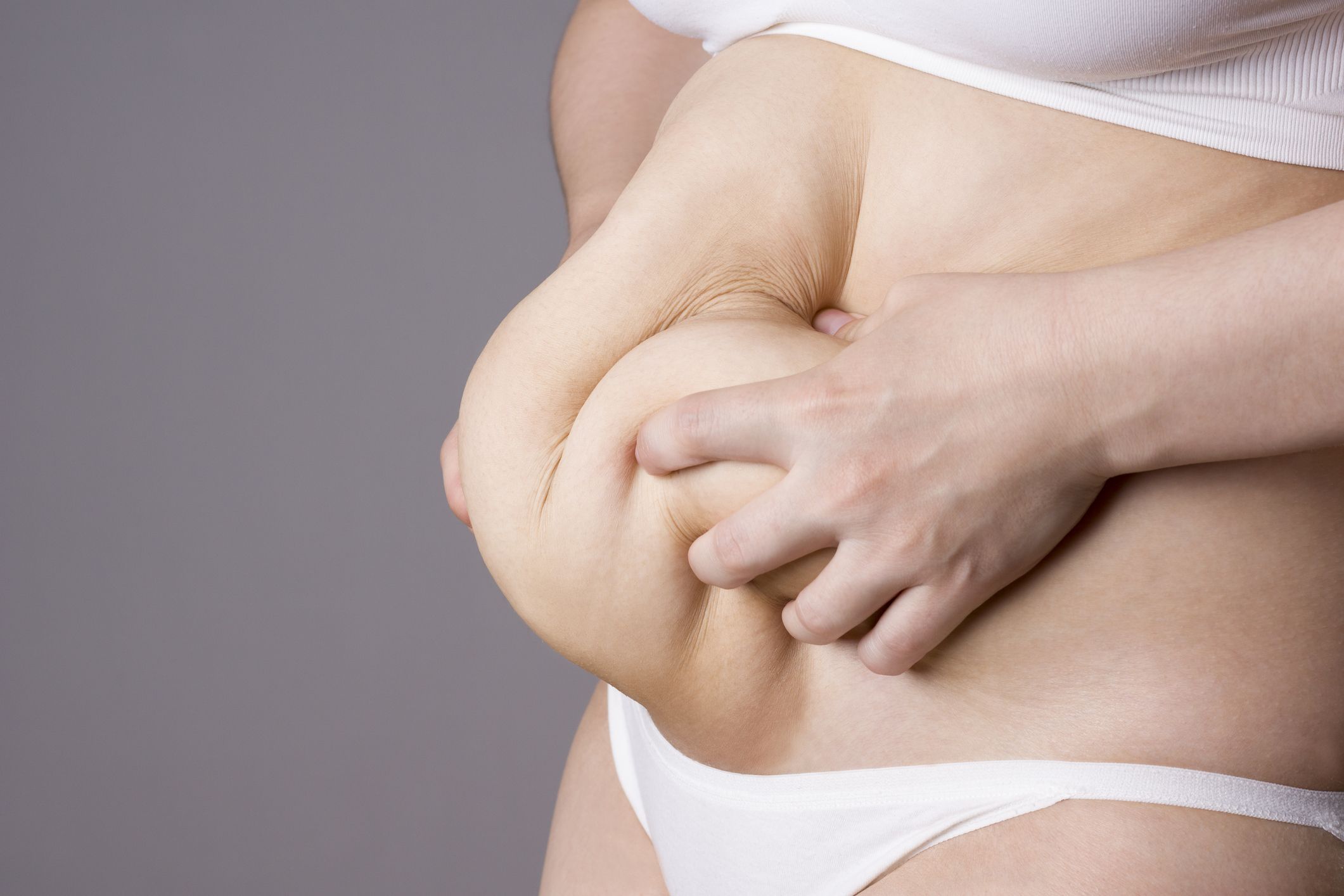
Lipedema Diagnosis Journey: From Confusion to Validation and Life After Surgery
Key Takeaways Recognize classic lipedema signs such as symmetrical fat on the legs and arms, easy bruising, and tenderness to support earlier evaluation and reduce the risk of progression. Be your own advocate for coordinated care. Keep a record of your symptoms, request referrals to lymphedema or vascular specialists, and bring photos or a symptom […]

Stage 1 Lipedema: Symptoms, Diagnosis & Treatment
Stage 1 Lipedema: Symptoms, Diagnosis & Treatment Key Takeaways Lipedema is a chronic fat disorder that mainly impacts women and leads to symmetrical, painful fat in the legs and occasionally arms that is unresponsive to diet or exercise. Pursue early evaluation to enhance treatment and decrease issues. Differentiate lipedema from obesity and lymphedema for bilateral […]

Lipedema: Injury Risks, Prevention Strategies & Treatment Options
Key Takeaways Early diagnosis and clear symptom tracking reduce progression and lipedema injury risk by allowing for prompt interventions and customized treatment strategies. Evaluate your gait, posture, and joint stability on a regular basis and use targeted strengthening and supportive devices to prevent biomechanical injuries. Treat yourself with compression therapy, skin care, and gentle handling […]
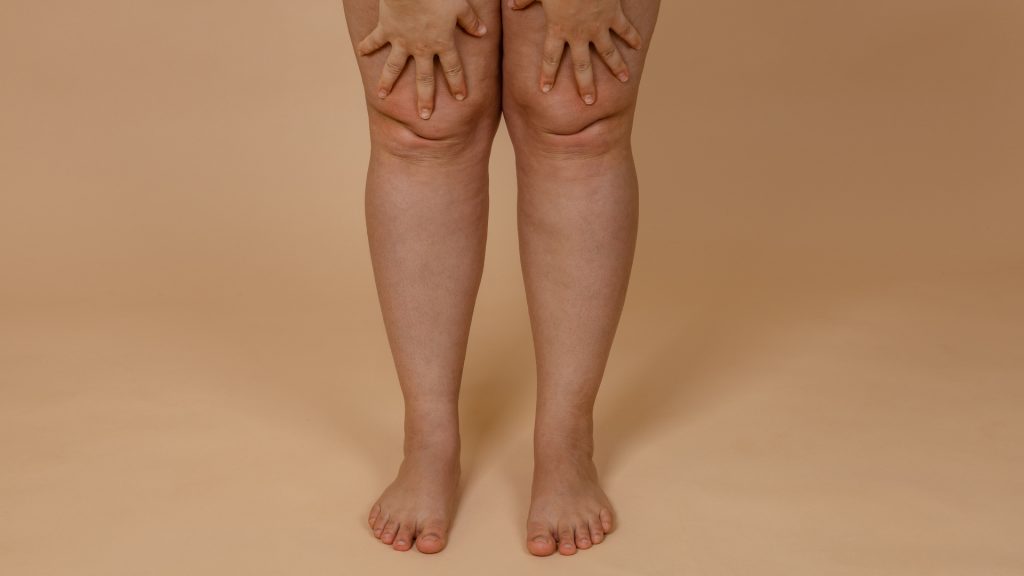
Lipedema Swelling Relief: Practical Tips, Causes & Treatment
Key Takeaways Understand lipedema as a disease, a unique condition that causes symmetrical fat deposits and swelling primarily in the legs, but occasionally in the arms, and obtain the proper diagnosis to separate it from obesity or lymphedema. Combat lipedema swelling with a comprehensive daily approach of graduated compression, consistent low-impact movement, targeted drainage, elevation, […]

Insurance Guide to Navigating Coverage and Appeals for Lipedema Care
Key Takeaways Insurance typically misclassifies lipedema as obesity or cosmetic. It is imperative you document diagnoses and treatments clearly to back up coverage claims and minimize denials. Create a comprehensive case with medical records, dated images, conservative treatment logs and a surgeon’s letter to show medical necessity for surgery. Navigate insurance for lipedema care – […]

Lipedema and mental health: exploring psychological impact, treatment, and social consequences
Key Takeaways Lipedema impacts mental health through body image, chronic pain, social isolation, and medical gaslighting. Make room to focus on symptom tracking and emotional support to thrive on a day-to-day basis. Employ pragmatic pain and mood tracking, pain management plans, and consistent physical therapy to minimize pain-related distress and interrupt the cycle between pain […]

Lymphatic Massage for Lipedema: Benefits & How to Do It
Key Takeaways The lymphatic system clears waste and excess fluid. Optimizing its flow is key to minimizing swelling and sustaining immune function in lipedema care. Manual lymphatic drainage is a light, repetitive massage that may stimulate lymph flow, reduce edema and relieve pain. It can’t cure lipedema or eliminate fat. Simple, at-home methods delivered in […]

Outcomes of Liposuction for Lipedema: Physical, Psychological, and Quality of Life Improvements
Key Takeaways Liposuction for lipedema is a selective surgical therapy that diminishes painful subcutaneous fat with an emphasis on lymphatic preservation and should be weighed in conjunction with conservative therapies. Anticipate tangible physical advantages, such as diminished pain, decreased swelling, enhanced mobility, and reduced risk of cellulitis, knowing that the procedure is symptom management and […]

Lipedema Stages Explained: Characteristics and Management Options
Key Takeaways Knowing the four stages of lipedema assists in early symptom identification and enables prompt and efficient treatment. With early detection and intervention, including lifestyle changes and medical treatment, its progression can be slowed and mobility preserved. Lipedema isn’t just obesity. It’s its own unique disorder and it happens to people of many different […]