

Key Takeaways Know lipedema as a chronic fat disease that primarily impacts women and is not the same as obesity and lymphedema. Early detection helps slow progression and improve quality of life. Monitor symptoms such as symmetrical swelling, pain, and easy bruising with a daily or weekly log to identify trends and inform care decisions. […]
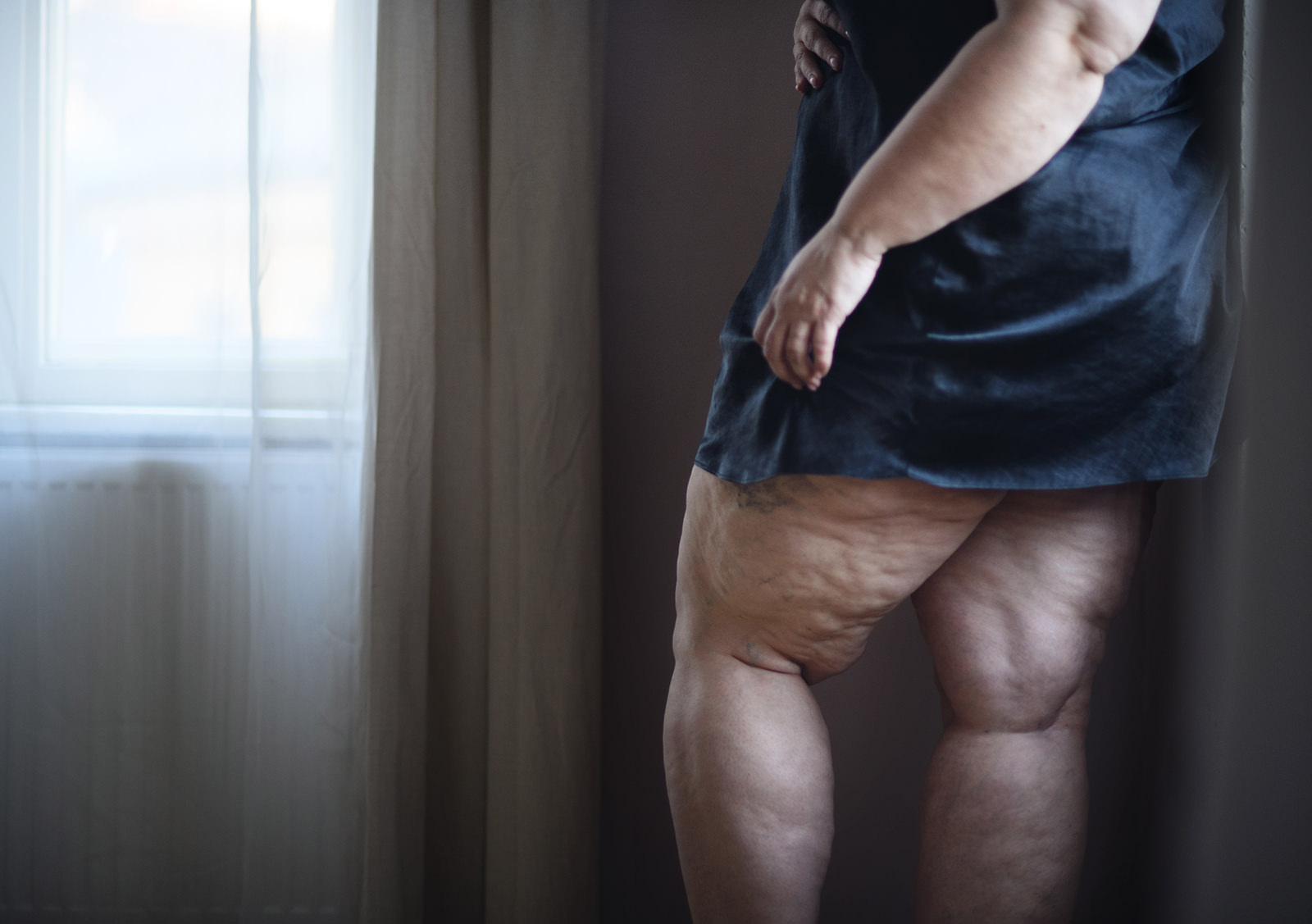
Long-Term Results and Patient Expectations After Lipedema Surgery
Key Takeaways Lipedema surgery including liposuction or lipectomy consistently minimizes pain and swelling for numerous patients, enhancing daily functioning and quality of life and often decelerating disease advancement. Patients tend to have improved mobility and body shape post-surgery, which promotes activity, alleviates joint pressure, and facilitates a more comfortable clothing experience. Mental health and self-confidence […]
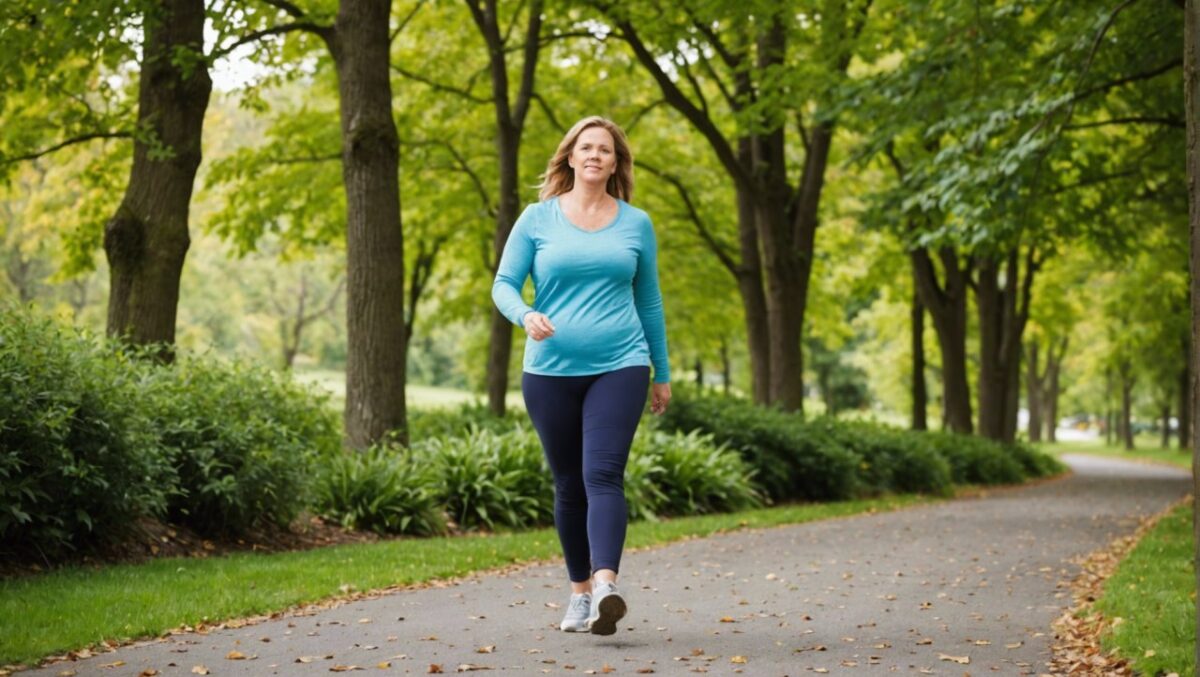
Mobility Exercises for Lipedema: Practical Routines and Tips
Key Takeaways Mobility exercises are important in managing lipedema because they support lymphatic drainage, circulation, and reducing inflammation. Make it a daily habit! My recommendation is to stick with low-impact options such as aquatic workouts, rebounding, gentle stretching, resistance bands, and breathing techniques to shield painful joints while enhancing strength and lymph flow. Design a […]

Navigating Insurance for Lipedema Care: Coverage, Approvals, and Advocacy Guide
Key Takeaways First, acknowledge lipedema as a chronic medical disease and not a cosmetic concern. Record pain, mobility restrictions, and conservative therapy failures to justify medical necessity for insurance coverage. Parse your insurance policy and summary plan description for mention of lymphatic sparing liposuction and chronic disease. Compare benefits among plan types for coverage possibilities. […]
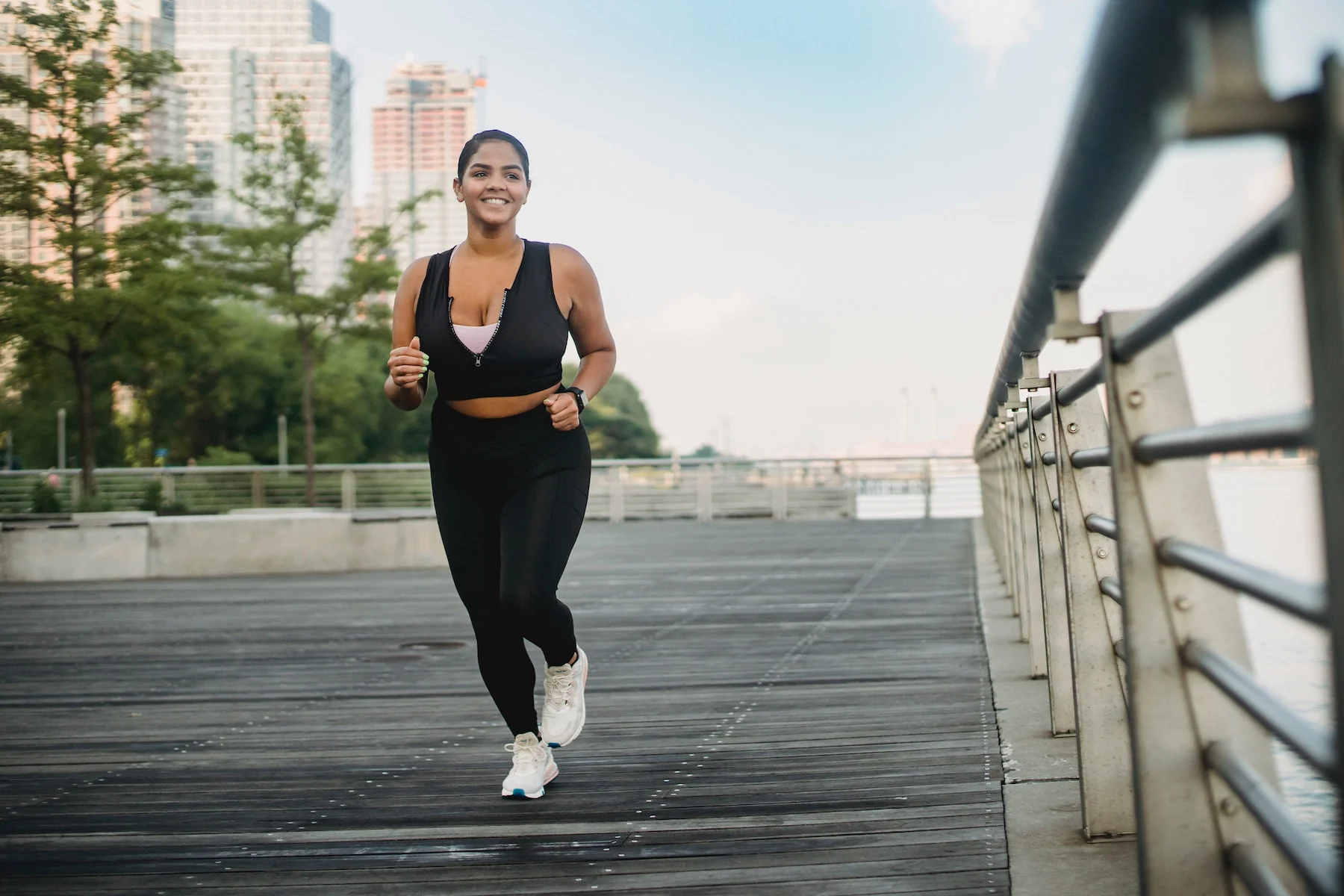
Posture and Exercise for Lipedema: Practical Tips for Better Alignment
Key Takeaways Lipedema changes your weight distribution and can impact posture, putting additional stress on the lower back, knees, and ankles. Monitor your stance and gait and get evaluated early if pain or balance problems emerge. Address muscle imbalances with a combination of strengthening and stretching. Target core, pelvic position, and shoulder alignment to minimize […]

Postoperative Recovery Timeline and Care After Lipedema Surgery
Key Takeaways Adhere to individualized postoperative care guidelines regarding wound management, compression therapy, medications, and activity to minimize complications and promote healing. Communicate with your surgical team at the first indication of concern. Employ persistent compression and early manual lymphatic drainage to manage swelling and encourage tissue remodeling. Modify protocols incrementally as healing allows. Initiate […]
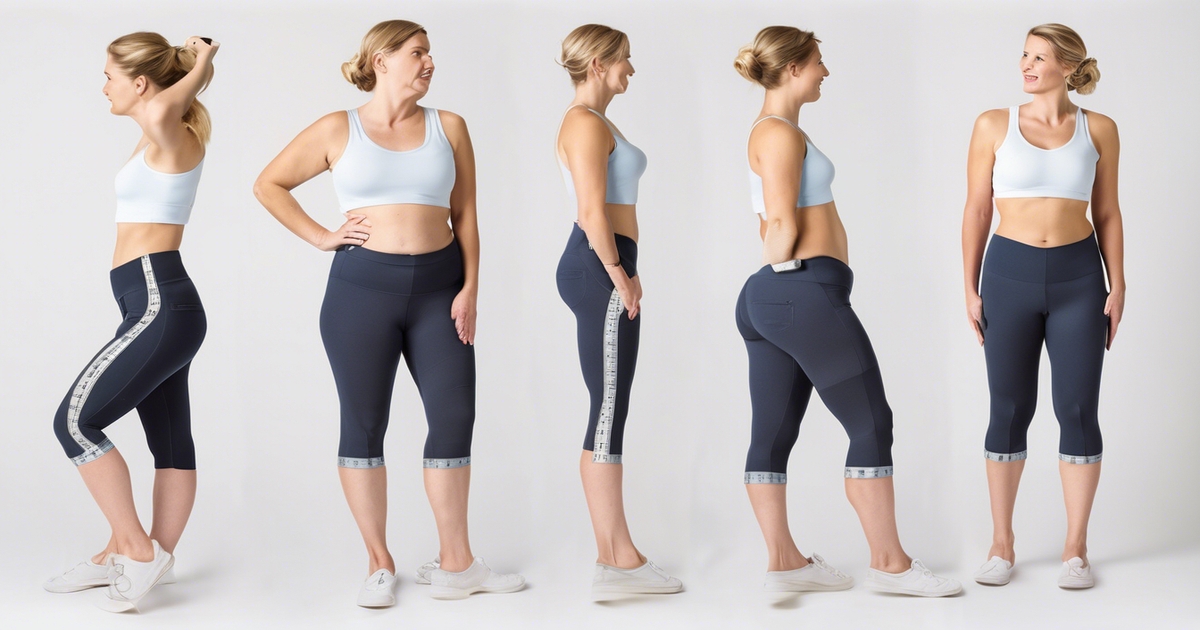
Lipedema Self-Care: Routines, Diet, Exercise, and Noninvasive Treatments
Key Takeaways Know lipedema as a chronic fat disorder marked by disproportionate fat, pain, and easy bruising that’s distinct from obesity and lymphedema. Seek out a clinician if you observe persistent symptoms. Make your self-care a priority. A daily mix of lymphatic support, gentle movement, and compression wear helps ease swelling and boost comfort. Self-Care: […]
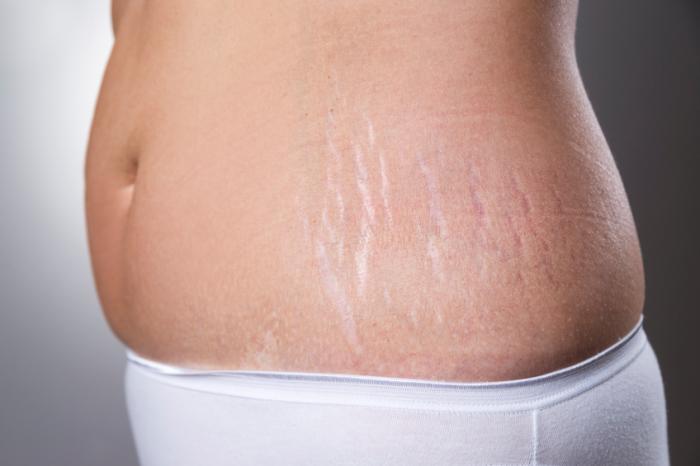
Stretching Routines for Lipedema: Low-Impact, Flexibility-Focused Exercises
Key Takeaways It’s a core component of lipedema care that supports mobility, alleviates discomfort, and helps aid lymphatic circulation through daily, gentle routines you can do. Here, targeted gentle stretches lend relief for pain and inflammation, emphasizing legs, arms, and joints. Progress gradually to avoid overexertion. Focus on stretches and flows that activate the muscle […]
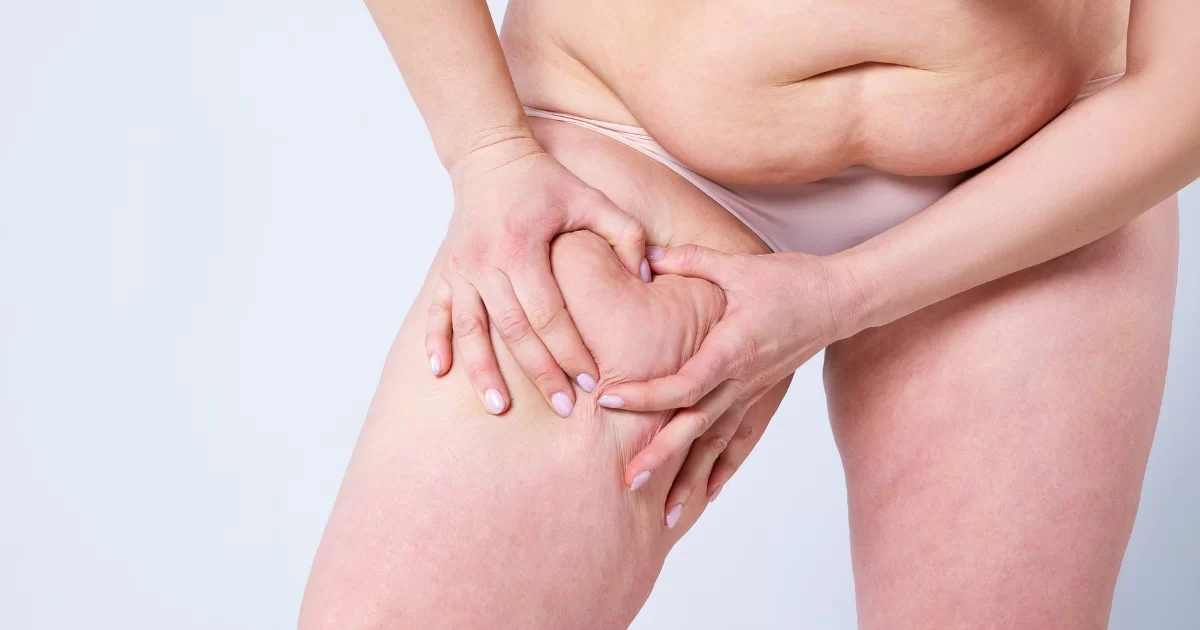
Strength Training for Lipedema I Practical Guide I Safe Routines
Key Takeaways Exercise is key for lipedema symptom management but not a cure. Therefore, focus on movement, pain relief, and quality of life, not necessarily fat loss, as your goals. Concentrate on strength sessions and low-impact exercises to retain muscle, bolster joint stability, and facilitate lymphatic flow without imposing additional stress. Select lymphatic-bolstering activities such […]
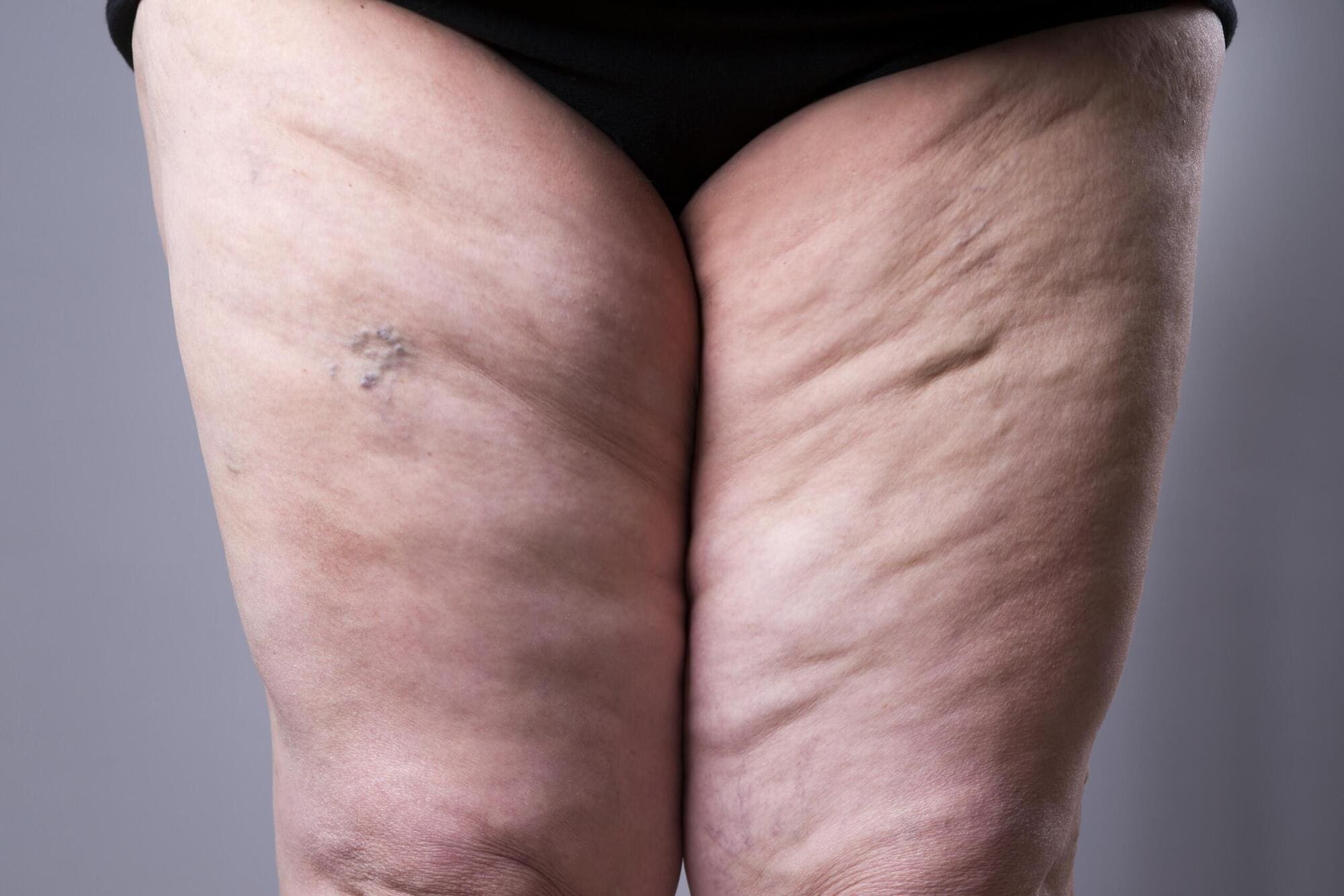
Weather and Lipedema: Effects on Symptoms, Exercise Options, and Activity Choices
Key Takeaways Weather can impact lipedema symptoms by influencing swelling, pain, and mobility. Keep an eye on local forecasts and schedule your days accordingly to minimize flare ups. Both heat and humidity can exacerbate fluid retention and discomfort, so remain hydrated, dress in light, breathable fabrics, and implement cooling techniques to alleviate swelling. Cold and […]