
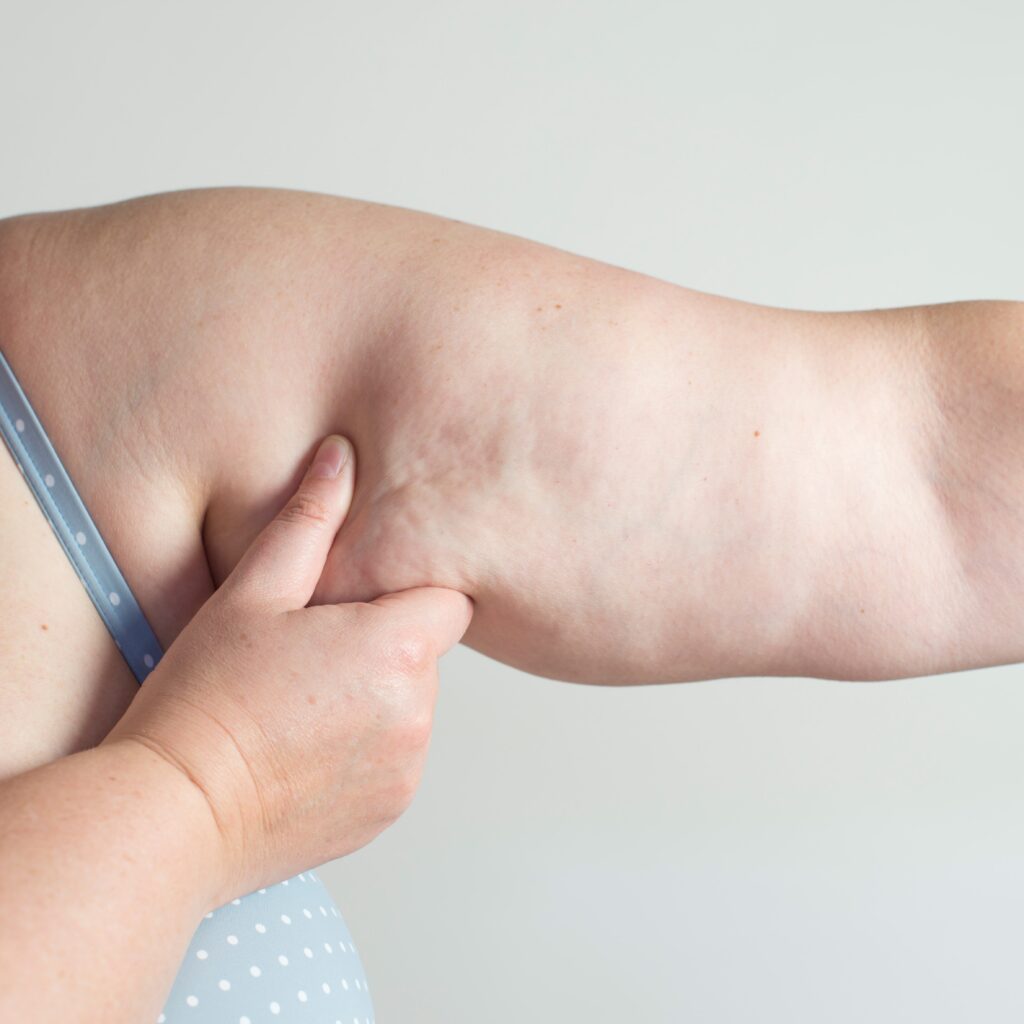
Key Takeaways Arm lipedema is a persistent fat disease primarily observed in female patients that needs precise identification to differentiate it from similar conditions such as lymphedema. Timely diagnosis and careful surveillance of lipedema arms can aid optimal management and prevent further complications over time. Symptoms like swelling, pain, and skin texture changes can impact […]

Lipedema Type 5: Characteristics, Symptoms & Treatment Options
Key Takeaways Lipedema is a long-term condition with specific stages and varieties, typically involving the legs and arms and occasionally confused with obesity or lymphedema. Type 5 lipedema specifically impacts calves and ankles, causing disproportionate fat accumulation and unique challenges in mobility and daily life. Early, accurate diagnosis is critical for effective management and can […]

Stage 1 Lipedema: Definition, Symptoms & Early Intervention Strategies
Key Takeaways Early recognition of stage 1 lipedema symptoms, including swelling and tissue tenderness, is crucial to diagnosis and intervention. How to distinguish stage 1 lipedema from mimickers like lymphedema and obesity. Anti-inflammatory nutrition, gentle movement and compression therapy support symptom control and overall lymphatic health. Proactive self-monitoring, tracking physical changes and communicating pain to […]
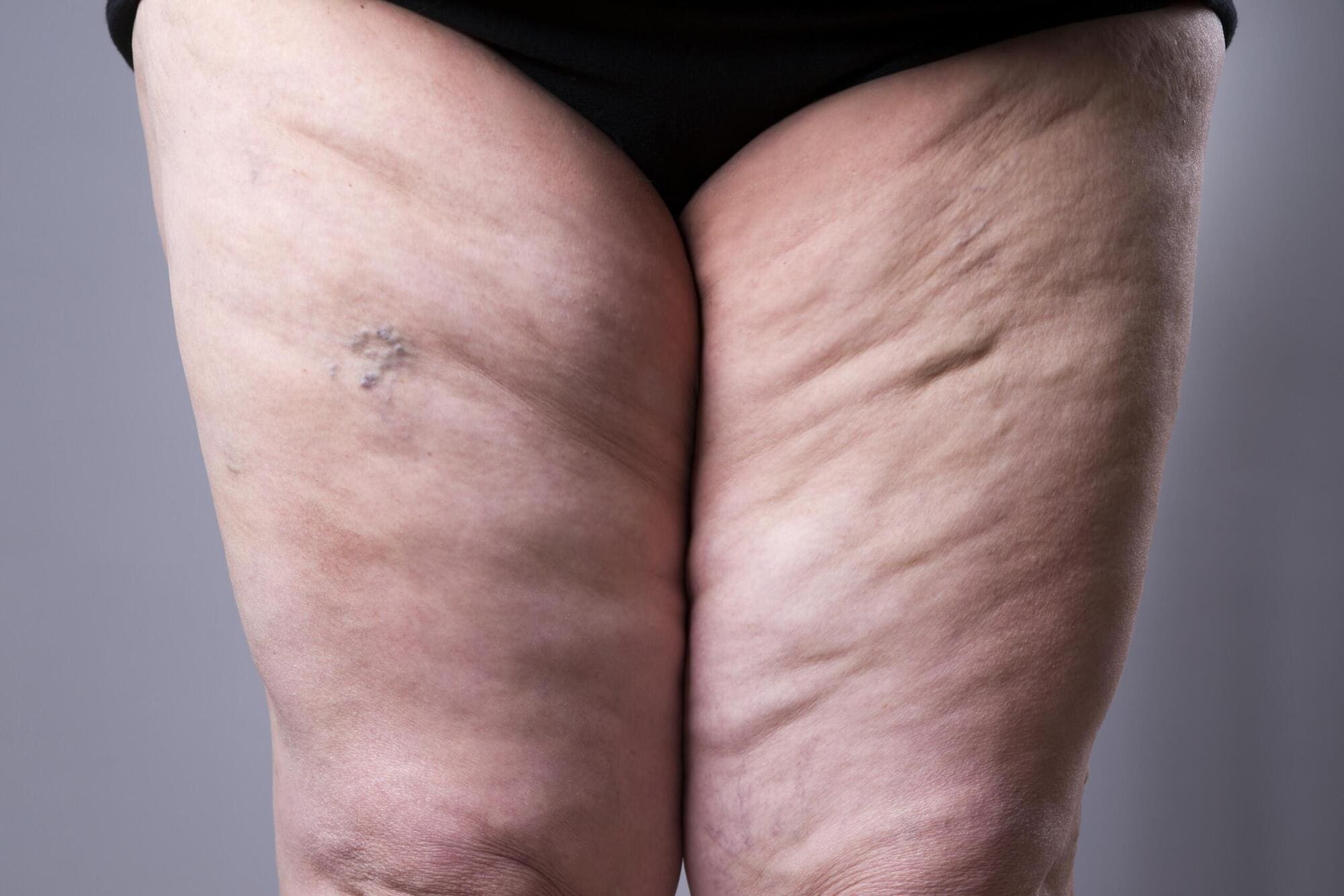
Stage 3 Lipedema: Definition, Symptoms & Treatment Options
Key Takeaways Such little research has been conducted on stage 3 lipedema lobules treatment. Diagnosis is based on physical exam and imaging, along with criteria to differentiate lipedema from other conditions such as lymphedema, obesity and venous insufficiency. Treatment typically includes a multi-faceted approach that involves conservative measures, decongestive therapy, and occasionally surgical interventions for […]
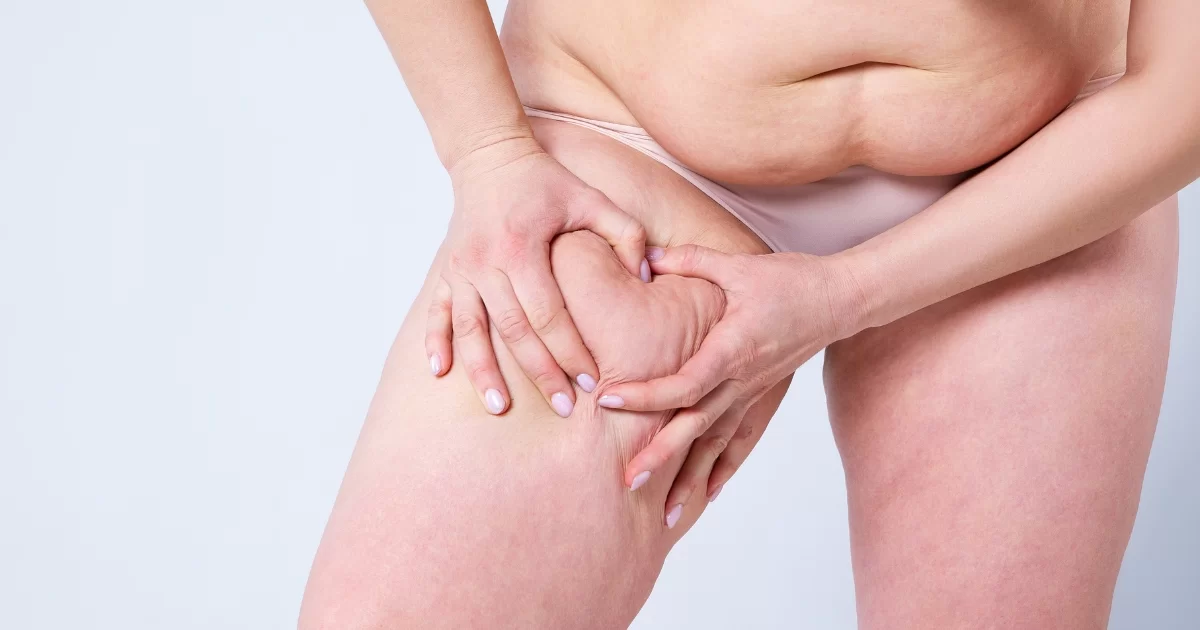
Management of Stage 4 Lipolymphedema: Comprehensive Approaches and Individualized Care
Key Takeaways Stage 4 lipolymphedema is characterized by lymphostatic elephantiasis and severe sclerosis of the dermis and subcutaneous tissue. Stage 4 lipo-lymphedema management is a combination of conservative therapies, surgery, and personalized approaches for optimal results. Routine decongestive therapy, compression, and mobility assistance can manage symptoms and sustain independence. Nutrition and lifestyle modifications are key […]

Water-Assisted Liposuction for Lipedema: Understanding the Procedure and Benefits
Key Takeaways Lipedema is a progressive disease characterized by disproportionate fat accumulation, primarily in the lower body. Early detection is key to prevention and mitigation. Water-assisted liposuction (WAL) is a less invasive alternative that employs a soft water jet to dislodge fat cells, causing decreased tissue damage and speedier recovery than conventional methods. WAL can […]

Body Contouring for Normal Weight with Loose Skin
Key Takeaways Having loose skin following significant weight loss is unfortunately common, with age, genetics, and lifestyle habits all playing a role. It can take a toll on your appearance and self-esteem. There are surgical and non-surgical body contouring options, and each delivers distinct advantages, varying recovery periods, and degrees of effectiveness for when you […]
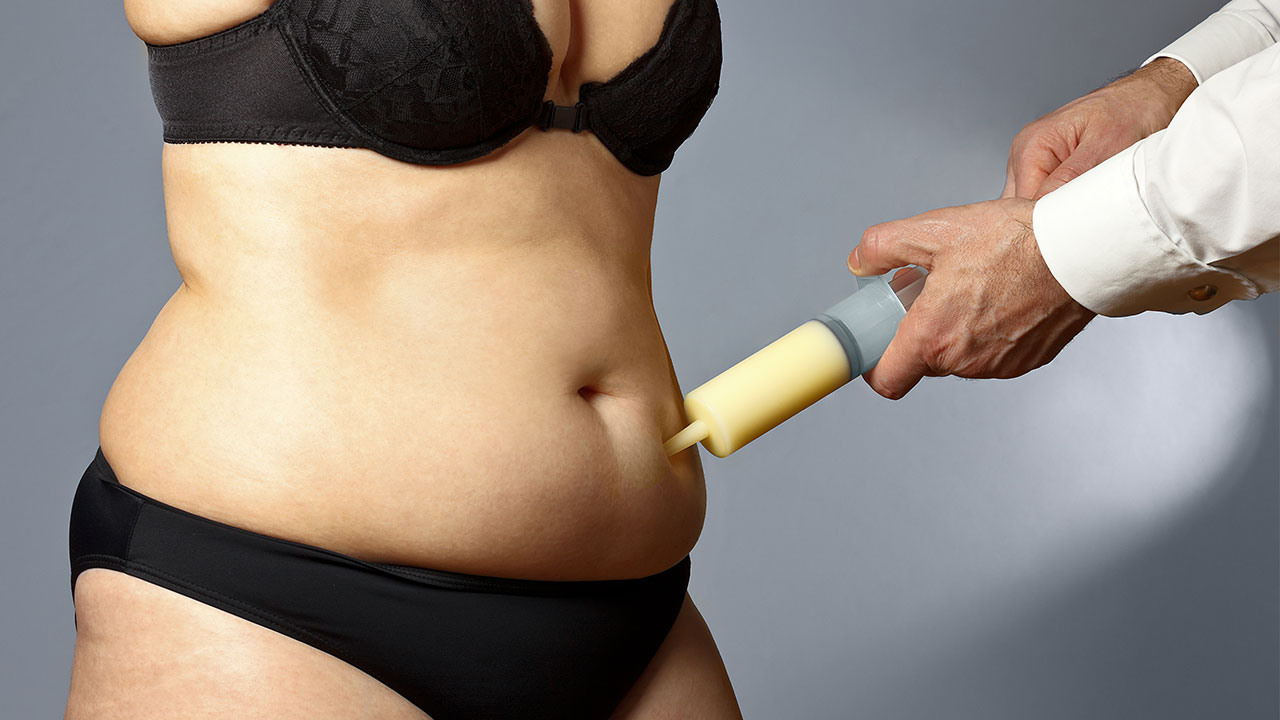
Tumescent Fluid Leakage After Lipedema Liposuction – What to Know
Key Takeaways Leaking tumescent fluid after lipedema lipo is a normal occurrence that depends on surgical technique, the patient’s body, and the body’s immune response to trauma. Open drainage makes the excess fluid a little more manageable, decreases swelling, and can aid recovery time. It needs to be taken care of properly to avoid complications. […]
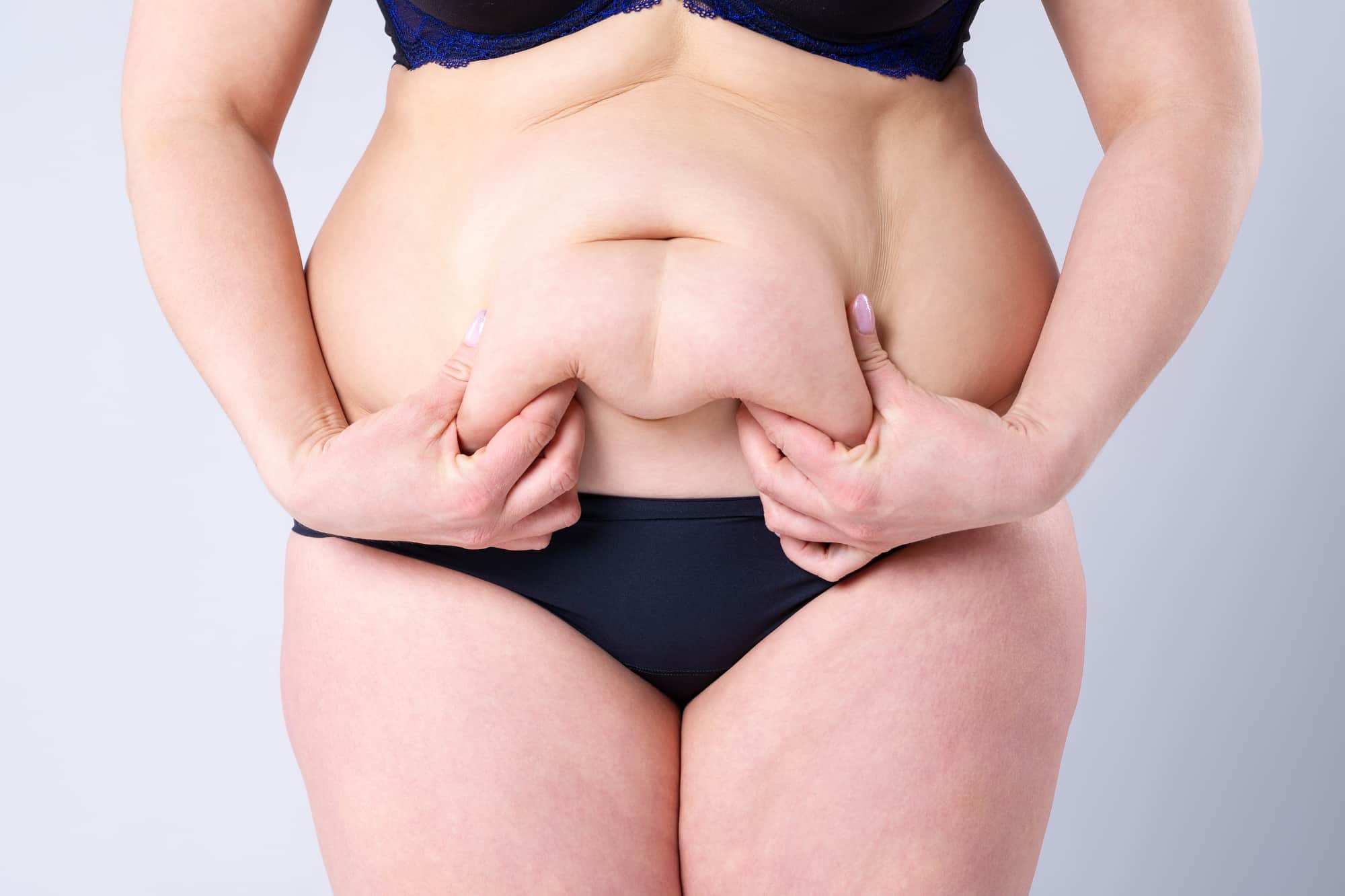
Hard Lumps After Lipedema Surgery? Causes, Concerns, and Care Strategies
Key Takeaways Hard lumps after lipedema surgery may be a part of the healing process or they could be indicative of complications such as fibrosis, hematoma, seroma, or fat necrosis. Knowing each type allows patients to identify what to expect during recovery. Keeping track of the texture, pain, and appearance of lumps can be helpful […]
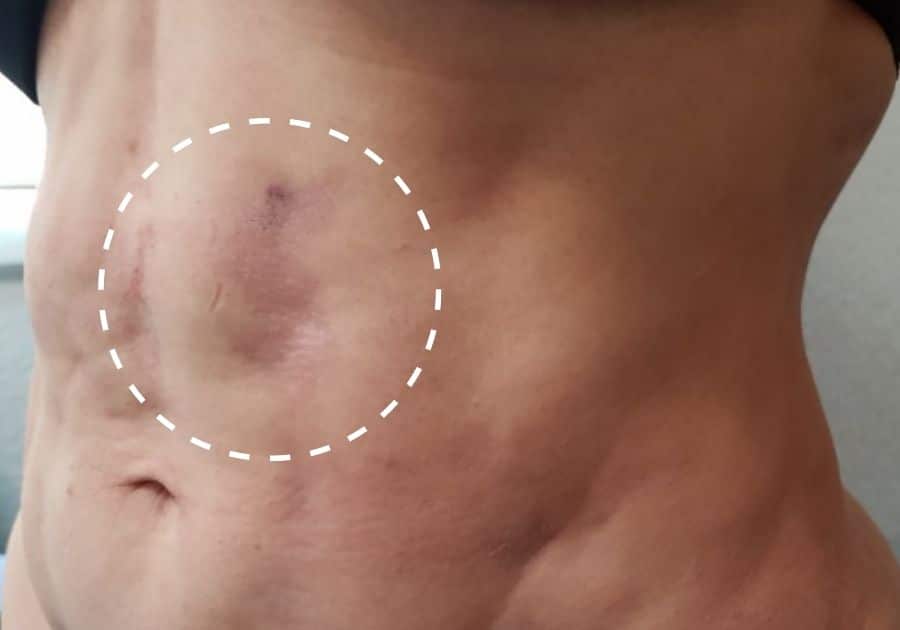
Fibrosis After Lipedema Liposuction: Symptoms, Treatment, and Prevention
Key Takeaways Fibrosis is a natural response to tissue injury after lipedema liposuction, frequently leading to hard tissue and an irregular skin surface. It’s critical to identify fibrosis early, including abnormal lumps and sustained swelling for timely intervention and improved results. Individual risk factors including genetics, underlying health conditions, and surgical technique are a major […]